
As Amazon Associates, we earn from qualifying purchases. This means we may receive a small commission at no extra cost to you if you click through and make a purchase.
The Lenovo Legion Pro 7i Gen 10 represents the pinnacle of mobile PC hardware, combining Intel’s cutting-edge hybrid architecture with the sheer graphical capability of NVIDIA’s 50-series graphics. Designed from the ground up as an uncompromising desktop replacement, this machine pairs a high-wattage graphics card with an ultra-fast organic light-emitting diode panel to eliminate the traditional bottlenecks found in mobile gaming. The definitive verdict on this system is clear: it delivers true desktop-grade computing and visual rendering in a transportable package, establishing itself as a premier powerhouse for users who refuse to compromise on visual fidelity or compute speed.
This premium machine caters directly to dedicated enthusiasts, esports competitors demanding ultra-responsive refresh rates, and digital artists requiring top-tier processing power alongside rigorous color precision. If your daily workflow spans heavy 3D rendering, simulation compilations, or ultra-settings gaming at native 1440p-plus resolutions, this hardware configuration provides an exceptional foundation. Conversely, everyday commuters, students desiring an effortless backpack carry, or general office workers will find this heavy chassis and its massive power brick unnecessarily cumbersome; those seeking light travel productivity would be far better served examining a portable ultraportable like the lenovo slim 7i (gen 9) instead.


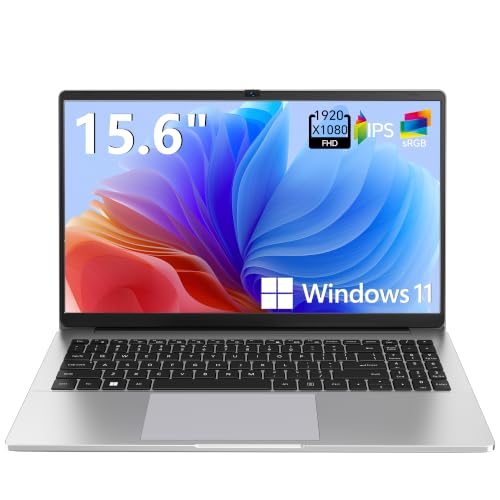

Lenovo Legion Pro 7i Gen 10 at a Glance

| Hardware Attribute | Factory Specification |
|---|---|
| Central Processing Unit | Intel Core Ultra 9 275HX (24 cores: 8P + 16E, 24 threads, up to 5.4GHz) |
| Graphics Processing Unit | NVIDIA GeForce RTX 5080 (16GB GDDR7, 175W TGP, Boost 2287MHz) |
| System Memory | 64 GB DDR5-6400MHz CSODIMM (2 x 32 GB dual-channel) |
| Internal Storage | 2 TB NVMe PCIe Gen4 TLC SSD (configured as 2 x 1 TB drives) |
| Display Panel | 16.0-inch WQXGA (2560×1600) OLED, 500 nits, 240Hz, Glossy |
| Color Accuracy & Standards | 100% DCI-P3, DisplayHDR True Black 1000, Dolby Vision, G-SYNC |
| Integrated Camera | 5.0 Megapixel high-definition sensor with electronic privacy shutter |
| Power Adapter | 400W Slim Tip 3-pin AC power brick |
| Operating System | Windows 11 Pro 64-bit |
| Chassis Color & Weight | Eclipse Black finish, 4.92 kg total weight |
Graphics and Gaming Performance
At the center of the hardware array sits the NVIDIA GeForce RTX 5080 mobile GPU, equipped with 16GB of dedicated video memory. In this chassis, Lenovo configures the graphics processor with a massive 175-watt Total Graphics Power limit and a boost clock speed reaching 2287MHz. Supplying full wattage is paramount in performance notebooks, as lower-tier thermal designs frequently choke graphics silicon down to lower wattages, robbing players of valuable rendering capability. Here, the full power delivery ensures that the lenovo legion 7i 16 rtx 5080 pushes extreme frame rates in modern titles without artificial power-throttling hurdles.
Real-world testing reveals that the legion pro 7i gen 10 gaming performance easily handles demanding ray-traced visuals and complex rasterization loads across the board. While those targeting the absolute ceiling of mobile silicon might cross-shop higher configurations like the lenovo legion pro 7i rtx 5090, this RTX 5080 implementation provides monstrous compute throughput rated at 1334 AI TOPS. This abundant artificial intelligence overhead accelerates machine-learning upscaling algorithms and ray reconstruction, allowing gamers to run demanding titles at native 2560×1600 resolution with all visual fidelity sliders dialed to their maximum thresholds.
The graphics architecture also leverages hardware-accelerated ray tracing and dedicated video memory bandwidth to sustain complex rendering scenarios without micro-stutters. Games with intricate physics engines, crowded online battlefields, and extensive draw distances maintain high baseline frame pacing. Whether competing in hyper-fast tactical shooters or exploring open-world environments, the combination of 16GB of video RAM and 175W of sustained power gives this system enough headroom to handle upcoming game engines for years to come.
Display Quality and Visual Fidelity
The visual centerpiece is the 16-inch WQXGA screen running at an ultra-sharp 2560×1600 resolution. Lenovo selected a glossy organic light-emitting diode panel that elevates contrast to cinematic heights. Thanks to self-lit pixels, the lenovo legion 7i 16 oled display achieves near-infinite contrast ratios, backed by the prestigious VESA DisplayHDR True Black 1000 standard and Dolby Vision integration. Dark scenes in horror titles or nocturnal flight simulators retain nuanced shadow detail rather than washing out into the murky gray tones typical of standard liquid crystal screens.
Speed is just as critical as contrast in a competitive environment, and this panel combines image quality with esports responsiveness. With a blistering 240Hz refresh rate and the virtually instantaneous response times native to organic diodes, ghosting and motion blur are eradicated. The inclusion of NVIDIA G-SYNC synchronizes the screen’s refresh cycle with the graphics pipeline, completely eliminating screen tearing and disruptive frame stuttering during rapid horizontal camera pans.
Color presentation is another standout characteristic that positions the lenovo legion 7i 16 for creators as well as competitive gamers. The panel covers a full 100% of the cinema-grade DCI-P3 color space and peaks at a luminous 500 nits of brightness. This wide chromatic range allows video editors, 3D illustrators, and digital photographers to conduct color grading with absolute confidence. Combined with certified low blue light emissions, creators can sustain long studio sessions without suffering premature eye fatigue.
Processing Power and Multitasking Capacity
Under the hood, computational duties are driven by the Intel Ultra 9 275HX processor, an elite piece of mobile silicon sporting 24 physical cores arranged in an 8 Performance-core and 16 Efficient-core configuration. Capable of boosting its performance cores up to 5.4GHz alongside a generous 36MB cache, this legion pro 7i gen 10 core ultra 9 setup executes heavy multi-threaded workloads effortlessly. Background system processes, operating system security suites, and communications software run uninterrupted on the efficiency clusters while your primary gaming or rendering workload monopolizes the dedicated high-performance cores.
Memory capacity is equally excessive, arriving from the factory with a massive 64GB of DDR5 memory clocked at a rapid 6400MHz across two 32GB CSODIMM modules. Many modern games and creative software suites readily consume over 20GB of memory under intense use, and having 64GB available prevents the operating system from caching working data onto slower storage disks. Compared to baseline mid-tier options in the broader lenovo legion 7i gaming laptop family, this hardware configuration provides an immense buffer for simultaneously hosting a local virtual machine, streaming high-bitrate video, and running an uncompressed project timeline.
Storage architecture matches the platform’s focus on high-speed efficiency. The system ships with two separate 1TB PCIe Gen4 TLC M.2 NVMe solid-state drives, combining for 2TB of high-speed primary storage. This dual-drive configuration lets power users isolate the Windows 11 Pro operating system and core productivity software on the primary drive while utilizing the secondary solid-state storage device strictly for expansive game libraries and video scratch disks. Read and write operations occur instantaneously, minimizing level load screens and speeding up asset caching.
Thermal Architecture, Battery Life, and Usability
Maintaining thermal control across a 24-core central processor and a 175-watt graphics coprocessor requires a comprehensive cooling layout. The engineered lenovo legion 7i 16 cooling arrangement utilizes large intake vents, wide copper heat pipes, and robust exhaust fins to dissipate thermal energy away from the primary compute dies. Users can engage high-performance thermal modes to unleash full wattage during marathon sessions, while balanced profiles maintain quiet acoustics during routine desktop navigation.
Power delivery is anchored by an enormous 400-watt Slim Tip AC adapter. This substantial power brick ensures that the machine can simultaneously run the processor and graphics card at their combined maximum thermal limits while continuously replenishing the internal battery. When untethered from the wall, managing the lenovo legion 7i gen 10 battery life requires practical adjustments. Running an ultra-high refresh OLED panel alongside top-tier silicon naturally exhausts energy rapidly, making full unconstrained performance an experience primarily designed for desk-bound AC operation.
Everyday usability features round out the premium build. The Eclipse Black chassis provides a sturdy structural footprint, complemented by an English US keyboard featuring per-key RGB backlighting that allows for deep aesthetic personalization. Physical connectivity is versatile, incorporating high-speed Thunderbolt 4 ports, HDMI video output, standard USB ports, Wi-Fi, and Bluetooth for pairing external displays, storage arrays, and mechanical peripherals. For team communications and video conferences, the integrated 5.0-megapixel webcam delivers crisp picture fidelity, complete with an electronic privacy shutter to block the camera sensor when off-duty.
Lenovo Legion Pro 7i Gen 10 Pros and Cons
Pros
- 240Hz WQXGA OLED panel with deep contrast
- RTX 5080 graphics with full 175W TGP
- 24-core Intel Core Ultra 9 275HX processor
- Generous 64GB DDR5 memory and 2TB SSD
- Sharp 5.0MP webcam with built-in e-shutter
Cons
- Hefty 4.92 kg total weight reduces portability
- Large 400W power brick adds travel bulk
- Glossy screen finish reflects glare in daylight
Check Lenovo Legion Pro 7i Gen 10 on Amazon
Who Should Buy the Lenovo Legion Pro 7i Gen 10
The high-end configuration of this system targets users with rigorous computational requirements, offering desktop parity inside a transportable package. However, the physical dimensions and heavy hardware profile mean it is not an ideal match for casual mobile users. Before deciding on this specific machine, consider how your use case aligns with the operational strengths and natural trade-offs of the hardware.
Buy It If
- You demand uncompromising graphics power driven by an RTX 5080 GPU operating at a maximum 175W TGP.
- You want a peerless visual experience featuring a 240Hz WQXGA OLED panel with 100% DCI-P3 color and DisplayHDR True Black 1000.
- Your productivity relies on extreme memory capacity, requiring 64GB of high-speed DDR5 RAM for video rendering, streaming, or multi-threaded engineering tasks.
- You need an all-in-one desktop replacement equipped with 2TB of dual-drive NVMe storage and high-bandwidth Thunderbolt 4 connectivity.
Skip It If
- You need a lightweight laptop for daily commuting or campus travel, given the substantial 4.92 kg total weight and hefty 400W power brick.
- You frequently work outdoors or in brightly lit spaces where the glossy screen coating can introduce unwanted surface reflections.
- Your routine workload consists primarily of standard office software, basic browsing, or casual games that never utilize high-wattage dedicated graphics silicon.
Lenovo Legion Pro 7i Gen 10 Alternatives Worth a Look
For shoppers whose day-to-day requirements lean toward basic productivity, simple browsing, or extreme portability, a high-wattage gaming machine is unnecessary. Reviewing alternative laptop options highlights what everyday computing hardware provides for non-gaming tasks.
2026-2027 edition

The 2026-2027 edition HP 14 laptop features an Intel N150 processor, 4GB of DDR5 RAM, 128GB of internal solid-state storage, and Windows 11 bundled with Microsoft 365 and 1TB of cloud storage. It offers a compact, ultra-lightweight form factor tailored entirely to cloud document writing, web navigation, and simple multimedia viewing.
Shoppers seeking a simple machine for schoolwork or routine email should opt for this alternative over the Legion Pro 7i. It eliminates unnecessary weight, high-wattage power consumption, and complicated hardware configurations in favor of straightforward, low-maintenance office functionality.
Supports 1TB TF Card Expansion
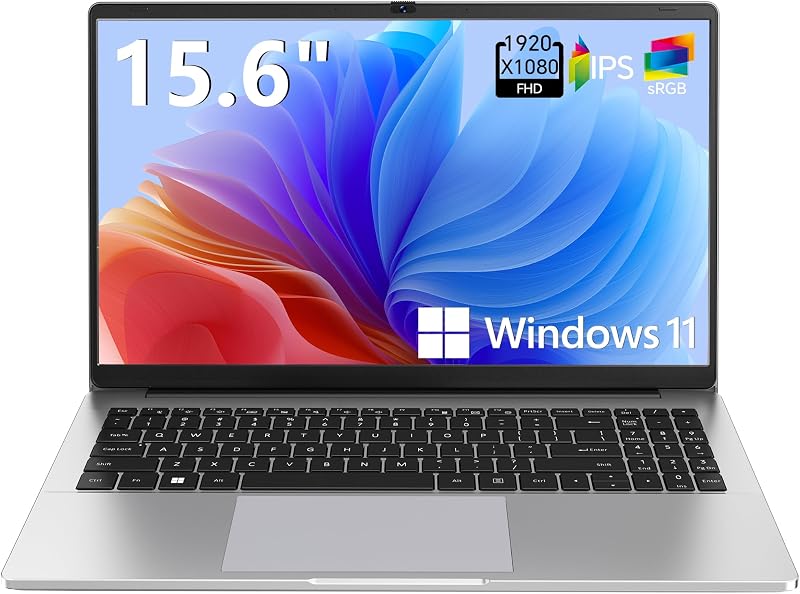
The Supports 1TB TF Card Expansion notebook comes in a gray 15.6-inch form factor with a Full HD LCD screen, an Intel N4020 processor, 4GB of DDR4 memory, 128GB of eMMC storage, and Windows 11. It highlights memory expansion via an integrated memory card slot capable of reading up to 1TB TF cards.
This notebook is well suited for budget-conscious students and home office users who need a standard-sized screen for web conferencing, reading PDFs, and managing local photo files without the physical bulk of a high-performance thermal cooling system.
Copilot AI

The Copilot AI HP 2026 Essential laptop features an LED display, a natural silver finish, an Intel processor, 128GB of local storage, 1TB of cloud storage, Windows 11, and Microsoft Office 365 integration. Its lightweight design emphasizes portable office productivity and integrated cloud workflows.
Shoppers who want a travel-friendly machine for remote administrative work, collaborative document editing, and casual video playback should consider this model instead of a heavy high-performance gaming rig.
Final Verdict
Deciding whether the lenovo legion 7i 16 gen 10 specs fit your lifestyle comes down to your personal performance expectations. This machine represents a monumental engineering effort, bringing together an Intel Core Ultra 9 275HX 24-core processor, an RTX 5080 GPU operating at 175 watts, 64GB of DDR5 memory, and a jaw-dropping 240Hz OLED display. So, is lenovo legion 7i 16 gen 10 worth it? For demanding gamers and visual media professionals who want desktop-class performance without sacrificing the ability to relocate their battlestation, the answer is an undeniable yes.
To conclude this lenovo legion pro 7i gen 10 review, it is essential to respect the trade-offs that accompany this caliber of computing power. With an item weight of 4.92 kg and a massive 400W AC adapter, this system is inherently built for stationary desk setups or semi-permanent workstations rather than lap use on public transit. If you require absolute graphical fidelity, top-tier processing speeds, and cinematic OLED colors in a single consolidated package, this Legion flagship stands as one of the most capable machines available.
FAQ
What graphics card does the Lenovo Legion Pro 7i Gen 10 use?
The laptop is equipped with a dedicated NVIDIA GeForce RTX 5080 graphics processor with 16GB of video RAM, a 2287MHz boost clock, and a maximum 175W Total Graphics Power delivery.
How fast is the OLED display on the Lenovo Legion Pro 7i Gen 10?
The 16.0-inch WQXGA (2560×1600) OLED display features a maximum refresh rate of 240Hz and supports NVIDIA G-SYNC for ultra-smooth, tear-free motion during gameplay.
How much memory and storage come pre-installed?
The machine includes 64GB of DDR5-6400MHz memory configured in dual-channel (2 x 32GB) alongside 2TB of solid-state storage divided across two 1TB PCIe Gen4 TLC NVMe M.2 drives.
What size power supply is included in the box?
Lenovo supplies a heavy-duty 400W Slim Tip 3-pin AC power adapter designed to sustain the full power draw of the processor and graphics card under maximum workload conditions.
Does the integrated webcam include privacy protection?
Yes, the integrated 5.0-megapixel high-definition camera includes an electronic privacy shutter (E-shutter) that allows users to disable the video sensor when it is not in use.


