
As Amazon Associates, we earn from qualifying purchases. This means we may receive a small commission at no extra cost to you if you click through and make a purchase.
The DJI Mavic 4 Pro establishes a high benchmark for portable aerial production, combining an ambitious tri-camera module, long flight endurance, and advanced low-light obstacle sensing. Built around a 100MP Hasselblad main camera and dual telephoto lenses, this quadcopter meets the rigorous demands of commercial film sets, landscape photography, and aerial inspections. Our analysis of the specifications and operational capabilities indicates that this flagship drone successfully delivers uncompromised imaging flexibility in a single airframe.
This platform fits experienced videographers, commercial pilots, and dedicated visual creators who need optical zoom versatility and reliable signal range. Operators upgrading from an older phantom 4 drone will immediately notice huge gains in sensor resolution, optical fidelity, and flight stability. However, casual hobbyists and minimalist travelers should look elsewhere, as the substantial 2372-gram weight and multi-tiered controller ecosystem demand serious handling and investment.


DJI Mavic 4 Pro at a Glance

| Feature | Specification |
|---|---|
| Main Camera | 100MP Hasselblad, 6K/60fps HDR video |
| Secondary Cameras | Dual telephoto cameras with CMOS sensors |
| Gimbal System | 360-degree Infinity Gimbal |
| Flight Time | Up to 51 minutes |
| Transmission Range | 30 km (18.6 mi) O4+ (10-bit HDR video) |
| Obstacle Sensing | 0.1-Lux Nightscape Omnidirectional |
| Battery Capacity | 6654 mAh Lithium Polymer |
| Total Weight | 2372 g |
| Dimensions | 12.9 in L x 15.4 in W x 5.3 in H |
| Included Controller | DJI RC 2 (RC Pro 2 in Creator Combo) |
Tri-Camera System and Imaging Capabilities
The centerpiece of the aircraft is its three-lens camera module, led by a primary 100MP Hasselblad camera capable of shooting 6K HDR video at 60 frames per second. Having a 100-megapixel sensor allows pilots to crop deeply into still frames in post-production without losing geometric definition. This capability makes the mavic 4 pro 100mp camera an exceptional asset for commercial stills, architectural documentation, and large-format landscape printing, recording video in clean MP4 formats across both 4K and 6K capture resolutions.
Complementing the main camera, the drone incorporates dual tele cameras built around large CMOS optical sensor technology. In traditional aerial workflows, capturing distant subjects or compressed perspectives meant flying dangerously close to structures or settling for soft digital magnification. The multi-lens setup of the dji mavic 4 pro camera bypasses this limitation by providing direct optical focal shifts from wide vistas to tight frames, making distant wildlife and structural surveys practical to shoot.
For high-end workflows, the imaging system scales further in the dedicated 512GB Creator Combo, which adds support for ALL-I 4:2:2 encoded video. This delivers the rich intra-frame data required by colorists during intensive post-production work. Whether shooting standard HDR footage or utilizing the maximum still resolution, the optical pipeline preserves highlights and natural color across varied daylight environments.
Infinity Gimbal and Creative Angle Control
Camera stabilization receives a notable upgrade with the inclusion of the 360° Infinity Gimbal. Traditional three-axis gimbals are limited by mechanical rotational stops, forcing pilots to yaw the entire drone body whenever they want continuous rolling motion or full panning rotations. The mavic 4 pro infinity gimbal allows continuous rotation, unlocking dynamic sweeping pans, seamless barrel rolls, and orbital moves that previously required specialized cinema quadcopters.
This freedom expands what is possible when deploying the mavic 4 pro for cinematography during single-operator shoots. Directors often require tracking shots that move through corners or shift smoothly from overhead top-down views to level horizon framing. Because the mechanical assembly rotates freely through 360 degrees, camera moves remain isolated from wind buffeting or sudden airframe vector shifts, eliminating jitter during complex automated flight paths.
Working in tandem with the three onboard focal lengths, the gimbal turns intricate multi-axis movements into repeatable routines. Operators can keep a precise tracking lock on moving subjects while orbiting the camera around them without rotating the airframe itself. This mechanical separation simplifies navigation in tight spaces while keeping framing cinematic and fluid.
Flight Endurance and Battery Performance
Airborne longevity is essential for efficient aerial production, and the platform delivers strong numbers here. Powered by a 6654 milliamp-hour Lithium Polymer battery, the dji mavic 4 pro flight time is rated at up to 51 minutes under optimal conditions. In real-world filming, this extended endurance reduces the frequency of battery swaps, allowing pilots to wait for changing light, monitor cloud cover, or execute comprehensive mapping runs without low-battery interruptions.
Charging accessories vary based on the package selected. The standard setup includes a 100W USB-C Power Adapter, while the top-tier Creator Combo features a 240W Power Adapter paired with a Parallel Charging Hub capable of charging multiple packs simultaneously. Compared to compact consumer models like the mini 4 pro drone, this battery system is significantly larger, reflecting the power required to run three cameras, high-torque gimbal motors, and active processing boards.
Thermal stability is also supported across challenging climates, with an operating temperature ceiling of 40 degrees Celsius. This ensures dependable voltage delivery during hot summer shoot days, preventing rapid thermal throttling during long hovering sessions.
Transmission Range and Remote Controller Options
Maintaining a clean video link over long distances is vital for flight safety and accurate shot composition. The drone features the next-generation O4+ wireless protocol, delivering a rated dji mavic 4 pro range of up to 30 kilometers (18.6 miles). The system sends a 10-bit HDR live video stream directly to the controller, giving pilots an accurate preview of dynamic range, highlight detail, and color balance while flying far afield.
DJI offers two remote configurations across its packages. The standard bundle and the Fly More Combo include the mavic 4 pro rc 2, a capable remote controller equipped with integrated antennas and ergonomic flight sticks. Buyers choosing the Creator Combo receive the RC Pro 2, which boasts a 7-inch rotatable, high-brightness screen that collapses for easy transport. This bright screen solves glare issues under direct midday sunlight, removing the need for external hoods or mobile tablets.
Pilots planning full-day shoots should select their bundles with power in mind. Gathering multiple batteries—much like aerial operators did when adopting the drone dji mavic pro fly more combo—remains standard operational practice on location. Notably, because of platform compatibility matters, the DJI Fly app must be downloaded directly from the official DJI website rather than Google Play to maintain access to firmware and flight settings.
Nightscape Obstacle Sensing and Flight Safety
Low-light flying has always presented serious risks because standard optical sensors require ambient daylight to detect hazards. The Mavic 4 Pro addresses this challenge by introducing 0.1-Lux Nightscape Omnidirectional Obstacle Sensing. With an expanded low-light detection threshold down to 0.1 lux, the aircraft can identify tree branches, structural pillars, and wires during twilight and night shoots.
The dji mavic 4 pro obstacle sensing system operates in all directions simultaneously, providing full omnidirectional coverage without blind spots. When the drone encounters an obstacle, real-time alerts appear on the remote display while flight systems engage automatic braking or proactive bypass routing, reducing the chance of accidental collisions during close-quarters maneuvers.
This comprehensive sensor array contributes directly to the aircraft’s heavy build. With an item weight of 2372 grams (over five pounds) and dimensions of 12.9 inches long, 15.4 inches wide, and 5.3 inches high, this is a substantial machine. The heavy footprint houses the large cooling fans, structural arms, and sensor hardware needed to handle intense computational tasks in flight.
DJI Mavic 4 Pro Pros and Cons
Pros
- 100MP Hasselblad main camera with 6K HDR video
- 360-degree Infinity Gimbal for dynamic camera movement
- Extended 51-minute maximum flight time
- Long-range 30km O4-plus video transmission
- 1-Lux Nightscape omnidirectional obstacle detection
Cons
- Substantial carrying weight at 2372 grams
- DJI Fly app requires direct download outside Google Play
- Advanced ALL-I encoding restricted to Creator Combo
Check DJI Mavic 4 Pro on Amazon
Who Should Buy the DJI Mavic 4 Pro
Buy It If
- You require multi-focal aerial imagery with a 100MP main camera and dual telephoto lenses in one airframe.
- Your filming workflow benefits from continuous 360-degree rotational moves using an Infinity Gimbal.
- You frequently shoot during dusk, dawn, or night conditions requiring 0.1-lux omnidirectional obstacle sensing.
- You need up to 51 minutes of airtime per battery pack to cover extensive commercial filming sessions.
Skip It If
- You want an ultralight, pocket-friendly drone weighing under 249 grams for casual travel and family outings.
- You are a complete beginner seeking a basic starter drone without the complexity of commercial-grade flight systems.
- You prefer not to manage manual direct APK downloads for the DJI Fly app on Android devices.
DJI Mavic 4 Pro Alternatives Worth a Look
While this flagship quadcopter delivers exceptional power for high-end film production, its substantial size and advanced features exceed what many recreational pilots require. Here are three alternatives suited for different budgets, skill levels, and travel needs.
2K HD FPV Drone

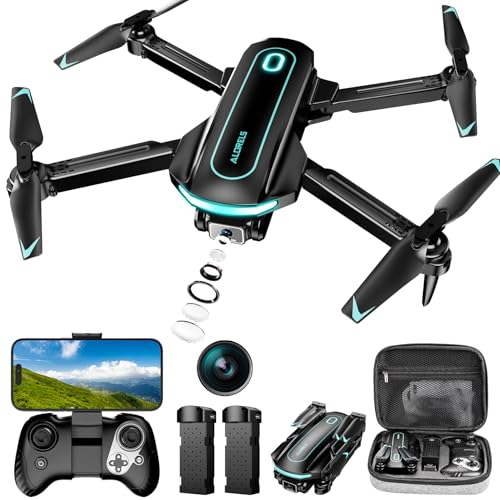
The 2K HD FPV Drone is a lightweight, foldable alternative designed for beginners, teenagers, and casual adult hobbyists. It includes altitude hold, one-key takeoff and landing, three speed settings, headless mode, and two included batteries. Beginners looking for a simple, low-stress trainer to practice basic stick skills in open fields will find this model much easier to handle than a five-pound flagship aircraft.
3-Axis Gimbal

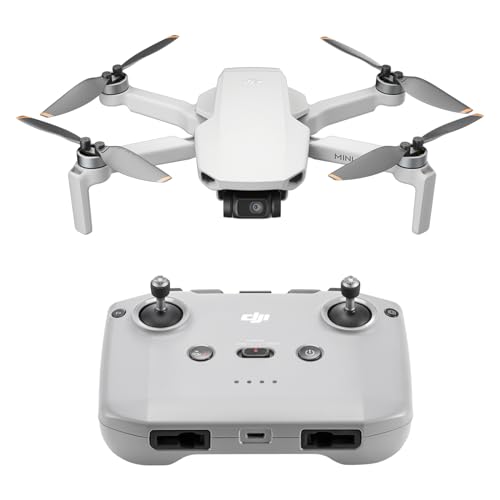
The 3-Axis Gimbal drone—known as the DJI Mini 4K—is an ultralight quadcopter weighing under 249 grams. It features a motorized 3-axis gimbal, 4K UHD video recording, 31 minutes of flight time, 10km video transmission, and automated return-to-home. Travelers and hikers who want clean 4K footage without packing a heavy, bulky flight case should choose this palm-sized flyer instead.
Mini Drone with 2 Batteries
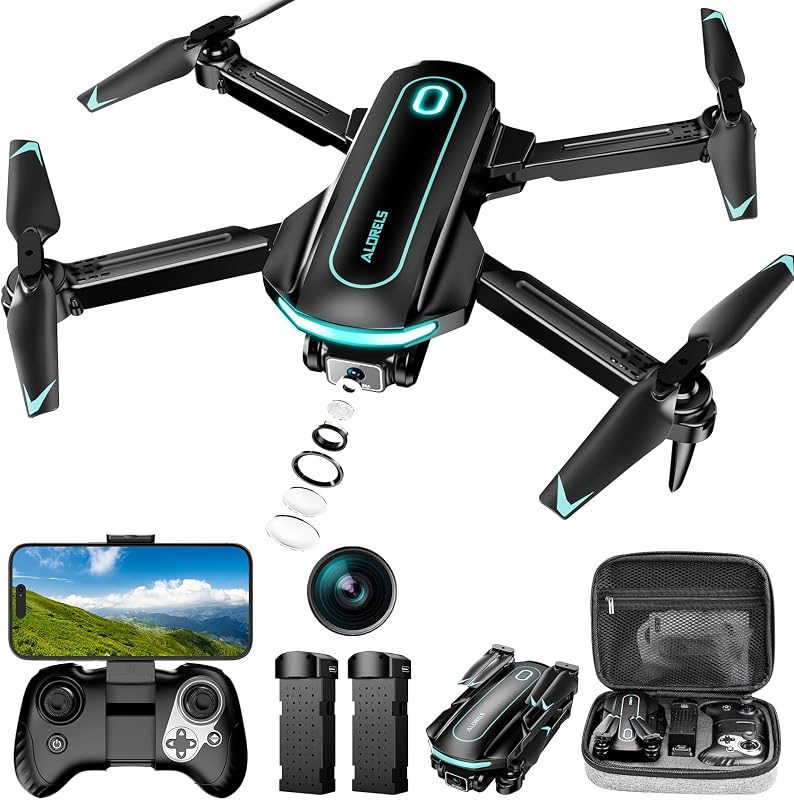
The Mini Drone with 2 Batteries is an entry-level entertainment quadcopter designed for kids and novice flyers. It comes with a 1080P HD FPV camera, two batteries, a storage case, trajectory flight modes, gravity control, and 360-degree flip capabilities. Families looking for an indoor-friendly, casual starter gift should select this toy drone over a complex professional setup.
Final Verdict
The DJI Mavic 4 Pro represents a major advancement in portable aerial cinematography, integrating a 100MP Hasselblad camera, dual telephoto options, an Infinity Gimbal, and 51 minutes of flight endurance. Its ability to record 6K HDR video and navigate safely in 0.1-lux darkness solves real operational challenges for commercial cinematographers and enterprise inspectors. If your productions require varied focal lengths and reliable long-range performance, this flagship platform provides elite creative capabilities.
However, its heavy 2372-gram mass, advanced remote controller choices, and pro-level ecosystem make it a serious investment meant for dedicated creators rather than weekend hobbyists. While tech enthusiasts will always keep an eye on future releases like a potential dji mavic 5 pro, working professionals who need exceptional optical flexibility today will find the Mavic 4 Pro ready to deliver.
FAQ
What are the primary drone mavic 4 pro specs?
The main specifications include a 100MP Hasselblad primary camera with 6K/60fps HDR video, dual telephoto cameras with CMOS sensors, a 360° Infinity Gimbal, and up to 51 minutes of flight time. It features a 6654 mAh battery, 30km O4+ 10-bit HDR video transmission, 0.1-Lux Nightscape omnidirectional obstacle detection, and an overall weight of 2372 grams.
Is drone mavic 4 pro worth it for everyday creators?
It is worth the investment for commercial filmmakers, landscape photographers, and industrial inspectors who need multiple focal lengths and 6K resolution. However, everyday creators and casual vloggers will likely find its heavy 2372-gram weight and advanced features excessive for basic aerial clips.
What remote controller comes with the DJI Mavic 4 Pro?
The standard model and the Fly More Combo include the DJI RC 2 remote controller. The 512GB Creator Combo steps up to the DJI RC Pro 2, which includes a 7-inch rotatable, high-brightness display that collapses for easy transport.
How do you install the DJI Fly app on Android devices?
Because the DJI Fly application is not available on Google Play due to platform compatibility issues, Android users must visit the official DJI website to download the APK installer directly to their mobile device or smart remote controller.
Does the Mavic 4 Pro feature omnidirectional obstacle sensing at night?
Yes, the aircraft includes 0.1-Lux Nightscape Omnidirectional Obstacle Sensing. This system allows the drone to identify obstacles in low-light environments down to 0.1 lux, improving safety during dusk, dawn, and evening shoots.


