As Amazon Associates, we earn from qualifying purchases. This means we may receive a small commission at no extra cost to you if you click through and make a purchase.
For nearly a decade, seasoned aerial cinematographers and commercial operators relied on classic heavy-lift quadcopters to produce high-end aerial footage, with the iconic DJI Mavic 4 Pro representing the modern pinnacle of that technological lineage. This flagship tri-camera aircraft integrates a massive 100MP Hasselblad primary imaging system, a 360-degree rotating gimbal, and long-range transmission into a modern gray airframe built for demanding workflows. In a single sentence: the DJI Mavic 4 Pro delivers an extraordinary, cinema-grade imaging ecosystem that completely outclasses legacy hardware in resolution, flight duration, and low-light safety.
This aircraft directly suits seasoned aerial filmmakers, mapping specialists, and production studios planning a comprehensive phantom 4 drone upgrade to modernize their gear. Conversely, casual hobbyists seeking a compact, pocket-friendly gadget for weekend family gatherings should look toward lighter, beginner-focused entry models instead of this heavy commercial powerhouse.


DJI Mavic 4 Pro at a Glance

| Feature | Specification |
|---|---|
| Main Camera Sensor | 100MP Hasselblad CMOS Sensor |
| Video Capture Resolutions | 6K at 60fps HDR, 4K UHD |
| Secondary Imaging | Dual Telephoto Cameras with Large CMOS Sensors |
| Gimbal Rotation | 360-Degree Infinity Gimbal |
| Maximum Flight Time | Up to 51 Minutes |
| Battery System | 6654 mAh Lithium Polymer |
| Transmission Range | 30 km (18.6 mi) via O4+ System |
| Obstacle Avoidance | 0.1-Lux Nightscape Omnidirectional Obstacle Sensing |
| Physical Dimensions | 12.9 x 15.4 x 5.3 Inches |
| Aircraft Weight | 2372 g |
Tri-Camera Imaging and the 100MP Sensor
The centerpiece of the DJI Mavic 4 Pro is its triple-camera payload, spearheaded by an expansive 100MP Hasselblad main camera. Recording at up to 6K resolution at 60 frames per second in HDR, the primary CMOS sensor resolves fine textures such as foliage, architectural trim, and distant shorelines with surgical fidelity. Unlike previous generations that forced pilots to land and swap physical optical filters or crop down digital frames, this setup captures vast dynamic range in standard MP4 formats while preserving true-to-life color gradations across extreme shadows and bright highlights.
Beyond the primary lens, the airframe houses dual telephoto cameras that expand creative framing options mid-flight. These secondary sensors allow operators to achieve dramatic lens compression and photograph distant subjects without flying dangerously close to physical hazards or sensitive wildlife. For dedicated commercial projects, using the DJI Mavic 4 Pro for cinematography means capturing broad establishing scenes on the wide lens, switching instantly to a medium telephoto for environmental context, and closing with a tight telephoto perspective on a single battery run.
Creators working in broadcast or commercial advertising will appreciate the 512GB Creator Combo configuration, which introduces support for high-bitrate ALL-I 4:2:2 video encoding. This level of color data retention gives colorists substantial flexibility during post-production grading, particularly when matching aerial sequences against high-end cinema ground cameras. If you do not require this broadcast-tier color depth and simply need high-definition footage for everyday digital platforms, exploring a lighter drone 4k phantom alternative can fulfill basic video capture requirements without professional data management hurdles.
The 360-Degree Infinity Gimbal Advantage
Camera stabilization has traditionally meant a standard 3-axis mechanical gimbal limited to downward tilting and constrained pan angles. The Mavic 4 Pro infinity gimbal introduces true 360-degree rotational movement, granting cinematographers unprecedented freedom along continuous rotational axes. This hardware enables continuous vertical-to-horizontal barrel rolls, full upward viewing angles, and unbroken orbital tracking shots where the camera tracks a subject continuously regardless of airframe heading.
This mechanical flexibility fundamentally alters shot composition in commercial production environments. Pilots can execute cinematic dolly zooms, complex spiraling ascents, and full vertical tracking moves without the quadcopter propellers or landing gear clipping the image frame. Because the Infinity Gimbal rotates fluidly through multiple planes, solo operators can capture two-axis camera moves that previously demanded an independent camera operator linked to a secondary controller.
For aerial directors tasked with architectural surveys, high-angle inspections, or dynamic automotive sequences, the gimbal design ensures smooth mechanical isolation even during aggressive maneuvers. The brushless stabilization system dampens sudden gusts and vibration, keeping high-magnification telephoto frames stable without introducing digital jitter or rolling shutter artifacts into the finished master file.
Flight Endurance and O4 Plus Video Transmission
Flight endurance has long been the primary bottleneck for legacy quadcopters, but the Mavic 4 Pro flight time extends up to an impressive 51 minutes on a single charge. Powered by a high-capacity 6654 mAh Lithium Polymer battery, this endurance allows pilots to map large construction parcels, monitor continuous sporting events, or wait patiently for golden-hour lighting without burning through multiple power cycles. Compared to older platforms that required battery swaps every 20 minutes, this extended operating window significantly accelerates commercial field work.
Backing up this battery endurance is the flagship O4+ transmission system, capable of maintaining a crisp 10-bit HDR live video feed across distances up to 30 kilometers (18.6 miles). Operating across integrated Wi-Fi and Bluetooth protocol bands alongside dedicated RF channels, the transmission link resists signal interference caused by concrete high-rises, industrial steel framing, and dense cell towers. The high-definition return feed ensures the pilot sees accurate shadow tones, crisp framing, and exposure alerts directly on the display.
Long-range link reliability is crucial when navigating complex RF environments, a performance benchmark often shared across high-performance aerial hardware like the meteor 75 pro o4. To support these prolonged operations, the drone package includes a 100W USB-C power adapter for standard field charging, while advanced bundles feature rapid multi-battery hubs to keep fresh packs cycling continuously through full production days.
Low-Light Sensing and Navigational Safety
Low-light flying has historically posed serious risks for aerial photography, as optical collision sensors become blind once the sun dips below the horizon. The DJI Mavic 4 Pro low light sensing addresses this vulnerability by deploying 0.1-Lux Nightscape Omnidirectional Obstacle Sensing across the entire perimeter of the aircraft. By actively identifying bare tree branches, power lines, and structural beams down to near-total darkness at 0.1 lux, this sensing array allows operators to execute dusk, twilight, and nighttime urban shoots with confident safety margins.
When assessing a modern DJI Mavic 4 Pro vs Phantom 4 comparison, flight safety demonstrates the most dramatic generational leap. Classic quadcopters utilized forward-facing optical sensors or primitive sonar units that failed completely during nighttime maneuvers or low-contrast conditions. The Mavic 4 Pro uses full spherical coverage that calculates obstacle distance in real time, executing smooth automated bypass paths around hazards rather than simply halting abruptly in mid-air.
Pilot control options differ based on package choice, pairing the airframe with either the responsive DJI RC 2 or the flagship RC Pro 2 featuring a 7-inch collapsible, high-brightness rotatable monitor. While specialized peripherals such as the dji motion controller 3 serve distinct acrobatic niches, these professional integrated remotes prioritize exact physical stick resistance, dedicated exposure wheels, and uncompromised screen clarity under direct sunlight.
DJI Mavic 4 Pro Specs and Configuration Options
Understanding the full DJI Mavic 4 Pro specs requires examining the three official configurations offered by the manufacturer. The standard kit includes the Mavic 4 Pro aircraft, the screen-equipped DJI RC 2, a single 6654 mAh flight battery, a 100W USB-C power adapter, and essential cables. The Fly More Combo expands this baseline by adding two additional batteries, a dedicated multi-pack charging hub, and extra accessories to ensure continuous sky time throughout an entire workday.
For production houses and film sets, the 512GB Creator Combo represents the ultimate tier. This package integrates an internal 512GB solid-state drive supporting ALL-I 4:2:2 high-bitrate video recording, the premium 7-inch RC Pro 2 controller, three flight batteries, a 240W high-speed power adapter, and a parallel charging hub. Prospective buyers using Android devices should note that due to platform compatibility issues, the official DJI Fly app must be downloaded directly from the DJI official website rather than the Google Play store.
Commercial operators asking is DJI Mavic 4 Pro worth it will find that the consolidation of three high-end focal lengths into one 2372-gram airframe eliminates the need to transport multiple specialized drones. The airframe operates smoothly in environmental temperatures up to 40 degrees Celsius, handling challenging desert heat and humid coastal assignments without thermal throttling or camera stutter.
DJI Mavic 4 Pro Pros and Cons
Pros
- 100MP Hasselblad main camera with 6K HDR
- Dynamic 360-degree Infinity Gimbal rotation
- Up to 51 minutes of flight time
- 1-Lux Nightscape omnidirectional obstacle sensing
- Long-range 30km O4+ video transmission
Cons
- DJI Fly app requires manual sideload on Android
- Substantial 2372g total weight to transport
- Advanced feature set exceeds casual hobby needs
Check DJI Mavic 4 Pro on Amazon
Who Should Buy the DJI Mavic 4 Pro
Evaluating this flagship aircraft requires matching its technical capacities against real-world production demands.
Buy It If
- You need broadcast-ready 6K/60fps HDR footage and ultra-high-resolution 100MP stills across wide and telephoto lenses.
- You are planning a phantom 4 drone upgrade to gain 51 minutes of flight time and reliable 30km transmission.
- You require creative dynamic camera movements enabled by a true 360-degree rotating Infinity Gimbal.
- You regularly fly evening, dusk, or nighttime assignments that demand 0.1-Lux omnidirectional safety sensing.
Skip It If
- You want a sub-249g ultralight model that slips into a pocket for recreational backyard flying.
- Your workflow consists solely of quick social media clips that do not benefit from 100MP resolution or ALL-I 4:2:2 codecs.
- You prefer a simple entry-level drone without multi-lens menus, manual exposure curves, or specialized controller interfaces.
DJI Mavic 4 Pro Alternatives Worth a Look
If the high-end commercial focus of this flagship does not align with your specific budget or flight goals, several practical alternatives provide alternative entry points into aerial video.
2K HD FPV Drone

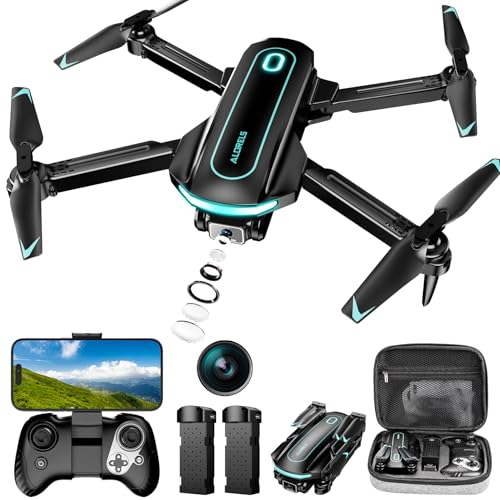
The 2K HD FPV Drone is a lightweight, beginner-friendly model equipped with altitude hold, one-key takeoff and landing, three distinct speed modes, and headless orientation flying. It includes two batteries and a foldable design tailored specifically for teens, novices, and gift recipients who want to practice manual piloting skills without managing complex pro-grade camera menus.
3-Axis Gimbal

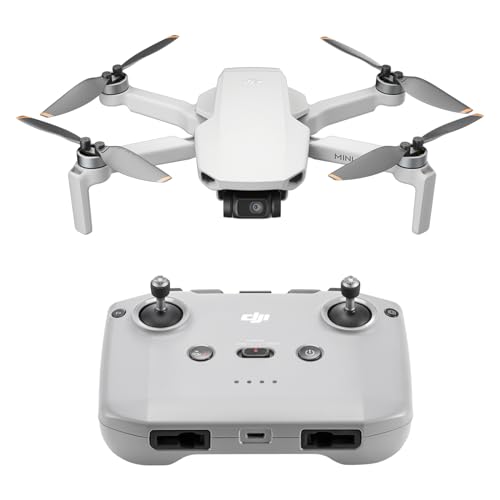
The 3-Axis Gimbal quadcopter listing highlights the DJI Mini 4K, which features an ultralight sub-249g takeoff weight, 4K UHD video capture, 10km video transmission, auto-return functionality, and up to 31 minutes of flight time. It represents an exceptional choice for casual travelers and content creators who need mechanical 3-axis image stabilization in an airframe that avoids heavy registration requirements.
Mini Drone with 2 Batteries
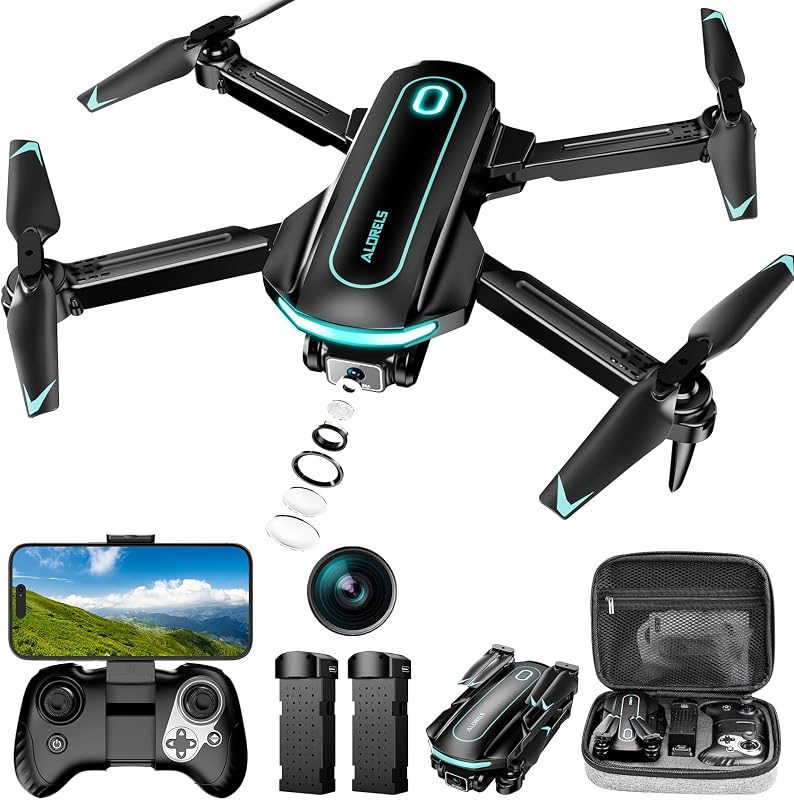
The Mini Drone with 2 Batteries is an ultra-compact recreational package that includes a dedicated carrying case, one-key controls, trajectory waypoint flight, gravity sensor controls, and 360-degree stunt flips. Armed with a 1080P HD FPV camera, this option is designed strictly for kids and entry-level hobbyists seeking an interactive toy rather than an aerial cinematography platform.
Final Verdict
The DJI Mavic 4 Pro establishes an uncompromising benchmark for commercial aerial imaging, successfully resolving the limitations that grounded older generation aircraft. By pairing an expansive 100MP Hasselblad primary camera with dual telephoto sensors, modern pilots possess three distinct focal perspectives in a single unified flight. When combined with the revolutionary 360-degree Infinity Gimbal, 51 minutes of uninterrupted flight endurance, and 0.1-Lux nightscape obstacle avoidance, it represents a monumental leap forward in every metric that matters on a real production set.
While its substantial 2372g footprint and advanced software toolset make it excessive for casual weekend hobbyists, commercial filmmakers and seasoned operators upgrading from older quadcopters will find it to be an indispensable creative asset. It consolidates an entire gear truck worth of lenses, gimbals, and safety sensors into a single dependable aircraft, setting a new standard for modern aerial cinematography.
FAQ
How does the DJI Mavic 4 Pro compare to an older phantom 4 drone?
The Mavic 4 Pro offers a generational leap over older aircraft by providing a 100MP Hasselblad main camera, dual telephoto lenses, up to 51 minutes of flight time, a 360-degree Infinity Gimbal, and 30km O4+ transmission, replacing single-camera systems and short 20-minute batteries.
What is included in the base DJI Mavic 4 Pro package?
The base configuration includes the DJI Mavic 4 Pro aircraft, a DJI RC 2 remote controller, one 6654 mAh flight battery, a 100W USB-C power adapter, and essential connection hardware.
Where do Android users download the DJI Fly app?
Due to platform compatibility issues, the DJI Fly app is not available on Google Play. Android operators must visit the official DJI website to download the latest application installation file directly to their mobile device.
What makes the 360-degree Infinity Gimbal unique?
Unlike standard 3-axis gimbals that are mechanically restricted in pitch and pan, the 360-degree Infinity Gimbal can rotate continuously, allowing dynamic barrel rolls, vertical framing, and complex continuous tracking shots without propeller interference.
What is 0.1-Lux Nightscape sensing?
This is an omnidirectional obstacle detection system engineered to detect physical hazards such as buildings, poles, and branches in low-light environments down to 0.1 lux, enabling safe navigation during twilight and nighttime shoots.