
As Amazon Associates, we earn from qualifying purchases. This means we may receive a small commission at no extra cost to you if you click through and make a purchase.
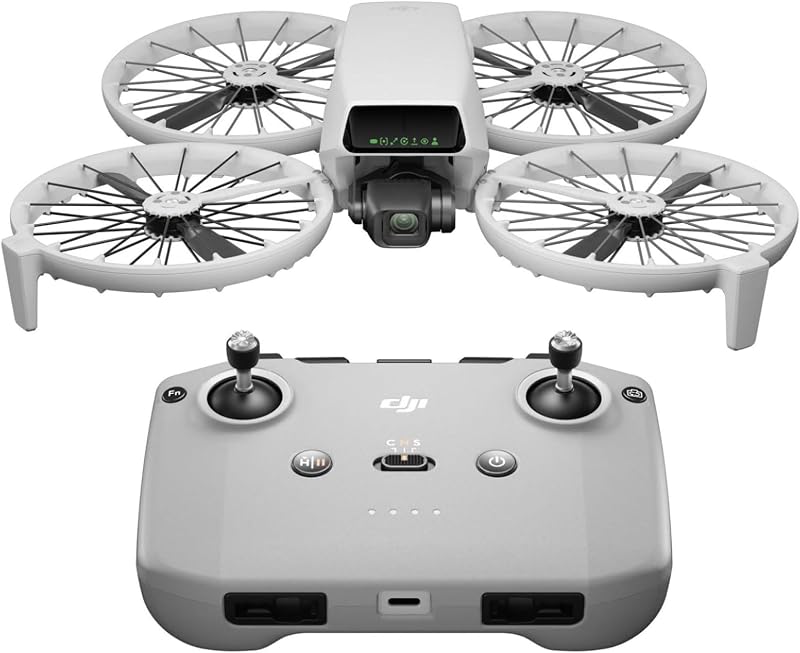
The DJI Flip enters the ultralight aerial market with an uncommon engineering priority: providing complete, enclosed propeller protection without compromising image quality or exceeding strict aviation weight thresholds. Weighing under 249 grams and equipped with a 1/1.3-inch CMOS sensor, 4K/60fps HDR video, and carbon fiber structural shielding, this aircraft offers casual videographers and families a reliable, low-stress method for capturing aerial memories. Our practical verdict is that it successfully bridges the gap between fragile open-propeller camera drones and lower-resolution toy flyers, giving casual flyers dependable optical performance inside an enclosed, regulation-friendly shell.
This aircraft suits outdoor enthusiasts, family archivists, and content creators who want quick automated tracking and the reassurance of full physical prop guards during low-altitude flights. It also caters to those who want to avoid the administrative paperwork associated with larger drones in the United States. However, demanding aerial filmmakers who require advanced cinema profiles, uncompressed color grading workflows, or multi-battery charging hubs out of the box should explore larger commercial platforms before settling on this package.


DJI Flip at a Glance
| Feature | Specification |
|---|---|
| Takeoff Weight | Under 249 g (No FAA registration or Remote ID needed in the US) |
| Camera Sensor | 1/1.3-inch CMOS |
| Video Resolution | 4K UHD at 60fps HDR (3840×2160 pixels) |
| Still Image Resolution | 48 MP |
| Stabilization | 3-axis mechanical gimbal |
| Propeller Guards | Built-in full-coverage carbon fiber |
| Maximum Transmission Range | 13 km / 8 miles (O4 transmission) |
| Maximum Flight Time | Up to 31 minutes |
| Battery Capacity | 3110 mAh lithium-ion |
| Included Remote Controller | DJI RC-N3 |
Camera Quality and Imaging Capabilities
Aerial imaging on ultralight aircraft frequently suffers when smaller sensors struggle with dynamic range, but the imaging hardware integrated into this platform avoids those typical pitfalls. Housing a 1/1.3-inch CMOS optical sensor, the camera captures significantly more light than standard sub-compact drones. This larger surface area pays immediate dividends when shooting high-contrast scenes, such as early morning sunrises or late evening golden hours, where high-definition HDR recording preserves shadow clarity without washing out bright highlights.
Video output reaches up to 4K resolution at 60 frames per second, outputting standard MP4 files at 3840×2160 pixels. The inclusion of a true 3-axis mechanical gimbal is essential here, providing hardware-level stabilization that eliminates rolling shutter jitters and motor vibrations from the final footage. While many compact models on the market rely on digital cropping or electronic stabilization tricks, mechanical stabilization keeps the frame level even when navigating brisk winds or executing sudden directional changes. Shoppers who regularly research alternatives like the dji mini 4 will appreciate that this camera setup maintains crisp optical clarity across diverse outdoor environments.
For still photography, the camera delivers an effective resolution of 48 megapixels. Having that pixel count available allows casual photographers to crop into scenic landscapes or group portraits during post-processing without losing structural definition. In this dji flip review, the combination of a 48 MP sensor and 4K/60fps HDR capture proves that an enclosed, safety-oriented drone does not have to compromise on visual presentation.
Propeller Guards, Portability, and Regulatory Advantages
The defining structural element of this model is its full-coverage carbon fiber propeller guards. Traditional compact drones leave spinning blades exposed to accidental collisions with tree branches, walls, or nearby people. By building an enclosed protective frame from lightweight carbon fiber, the aircraft shields the rotor blades completely while keeping overall structural weight low. These foldable guards make transporting the unit straightforward, slipping neatly into standard daypacks without the delicate handling required by bare-blade quadcopters.
Equally important are the legal ramifications of its physical footprint. Weighing under 249 grams, the aircraft falls below the strict regulatory threshold established by the Federal Aviation Administration in the United States. Under current recreational flight guidelines, an aircraft under 249 g does not require mandatory FAA registration or Remote ID broadcast hardware when operated recreationally. For travelers moving between parks and public spaces, skipping bureaucratic registration makes aerial capture far more accessible.
The airframe itself sports a durable gray finish, combining rigid carbon fiber materials with impact-resistant composite molding. Reviewing the overall dji flip specs reveals that the protective cage is not merely an optional clip-on accessory that drags down performance; it is an engineered structural system. The built-in dji flip propeller guards allow operators to navigate tighter flight corridors with vastly reduced anxiety.
Flight Controls, Palm Takeoff, and Smart Tracking
Operating a camera aircraft can intimidate inexperienced pilots, but the control architecture here focuses on removing technical friction. A standout feature is the palm takeoff capability, which allows the aircraft to launch directly from an open hand without requiring immediate remote controller input. This autonomous takeoff procedure enables solo hikers and casual vloggers to capture rapid aerial perspectives without unpacking an entire control station just for a quick portrait or scenic pan.
Autonomous capturing is further elevated by the integrated subject tracking system. When tracking is enabled, the aircraft automatically follows designated subjects, adjusting its position and camera pitch to keep the target centered in the frame. Whether walking along an open trail or hosting an outdoor gathering, the automated flight algorithms behave like an attentive personal cinematographer. This dynamic automated tracking ensures the dji flip drone with 4k camera produces smooth, cinematic tracking shots without complex manual stick movements.
When manual piloting is preferred, the package pairs the aircraft with the standard DJI RC-N3 remote controller. Connecting your personal smartphone to the RC-N3 controller enables precise dual-stick navigation over Bluetooth and Wi-Fi connections. Although the manufacturer classifies the operational skill level as intermediate due to its speed and tracking complexity, features like auto return, intuitive dji flip tracking features, and stable hover positioning ensure that motivated beginners can master the controls with minimal flight training.
Battery Performance, Charging Setup, and Transmission
Power management is handled by a 3110 mAh lithium-ion Intelligent Flight Battery, engineered to deliver a maximum flight duration of up to 31 minutes under optimal conditions. In real-world recreational flights, high-speed tracking runs, aggressive maneuvering, and counteracting gusty winds naturally consume extra power, but achieving around 25 to 28 minutes of practical airtime is routine. This reliable dji flip flight time provides ample opportunity to plan an angle, frame the shot, and bring the aircraft back safely.
A crucial detail for prospective buyers to understand is the retail packaging power arrangement. The product listing clearly indicates that a battery wall charger is sold separately. DJI recommends utilizing an official 30W USB-C charger or a 65W portable charging block to replenish the 3110 mAh battery efficiently. Unlike bundled setups such as the dji mini 3 pro fly more combo that often provide dedicated multi-battery charging hubs, this standard package includes a single battery and requires you to supply your own compatible USB-C power source.
Signal transmission utilizes modern O4 transmission technology, providing a maximum wireless range of up to 13 kilometers (approximately 8 miles, or 44,000 feet). While standard civil regulations mandate keeping the aircraft within direct visual line of sight, this high-powered transmission overhead guarantees exceptional connection stability in congested environments. The dji flip rc-n3 controller maintains an uninterrupted live video stream to your attached phone screen, minimizing latency and video artifacting during complex outdoor maneuvers.
Software Experience, App Installation, and Usability Trade-Offs
Software configuration requires a small adjustment depending on your smartphone operating system. Due to platform compatibility issues noted on the listing, the official DJI Fly control application has been removed from the Google Play store. Android users cannot simply search their standard app store; instead, they must visit the official DJI website to download and install the application installation file directly onto their device. Apple iOS users can install the application through their native App Store without additional steps.
Once installed, the application provides access to firmware updates, transmission diagnostics, subject tracking parameters, and automated flight paths. The interface clearly displays battery percentages, estimated remaining airtime, and distance to home point. If the signal drops or the 3110 mAh battery nears critical depletion, the intelligent auto return function activates automatically, guiding the aircraft back to its initial launch coordinates.
When assessing whether the aircraft meets your specific lifestyle demands, understanding its trade-offs is paramount. Shoppers curious whether the dji flip drone is worth the investment must weigh the immense benefit of enclosed carbon fiber safety guards against the necessity of sourcing a separate fast charger and managing manual Android app updates. For casual recreation, social media creation, and worry-free backyard flights, its comprehensive safety and imaging features offer exceptional peace of mind.
DJI Flip Pros and Cons
Pros
- Sub-249g design exempt from FAA registration
- Full-coverage carbon fiber propeller guards
- High-resolution 4K 60fps HDR video capture
- Standalone palm takeoff without remote controller
- Long-range O4 transmission up to 13 km
- Up to 31 minutes of flight time
Cons
- Wall charger sold separately
- DJI Fly app requires direct Android download
- Classified for intermediate skill levels
Who Should Buy the DJI Flip
Buy It If
- You want complete carbon fiber propeller guards that shield blades during indoor flight or close-proximity outdoor filming.
- You want a sub-249g drone that does not require mandatory FAA registration or Remote ID for recreational flights in America.
- You value quick capture convenience with autonomous palm takeoff and reliable subject tracking modes.
- You require stabilized 4K/60fps HDR video backed by a physical 3-axis mechanical gimbal and a 1/1.3-inch CMOS sensor.
Skip It If
- You expect a complete charging block inside the box and do not want to purchase a separate 30W or 65W USB-C power adapter.
- You prefer installing all smartphone flight apps strictly through the standard Google Play store on Android devices.
- You are seeking an extreme budget toy flyer for young children where 4K imaging and mechanical gimbals are unnecessary.
DJI Flip Alternatives Worth a Look
If your aerial photography preferences lean toward different price tiers, simpler flight dynamics, or unshielded long-range cruising, several alternative models represent distinct approaches to personal flight.
2K HD FPV Drone

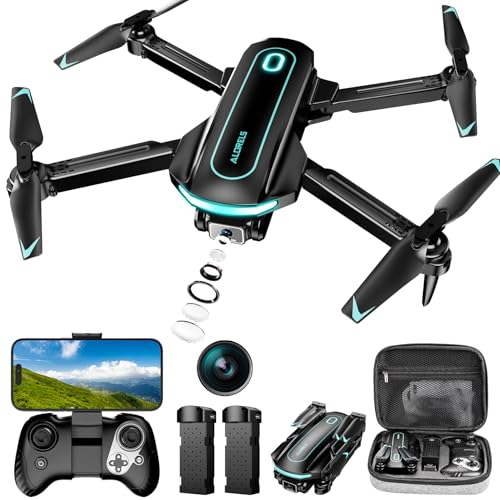
The 2K HD FPV Drone is a lightweight, foldable quadcopter featuring a 2K HD camera, altitude hold, one-key takeoff and landing, three selectable speed modes, and headless mode. It ships with two batteries in the box, catering directly to beginners, teenagers, and casual hobbyists who want a simple recreational flying experience without the mechanical gimbal stabilization or higher-end 4K sensors of premium craft.
3-Axis Gimbal

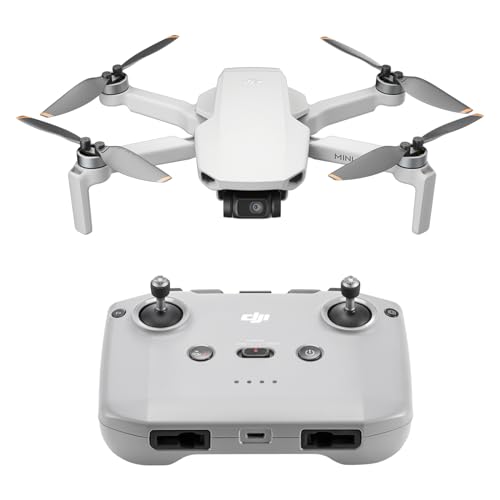
The 3-Axis Gimbal listing highlights the DJI Mini 4K platform, which delivers 4K UHD video, a 3-axis mechanical gimbal, 10 km video transmission, auto return, wind resistance, and a 31-minute flight time in an open-propeller sub-249g body. Shoppers who prioritize aerodynamic cruising efficiency and do not require enclosed carbon fiber propeller guards will find this traditional open-blade design a compelling alternative.
Mini Drone with 2 Batteries
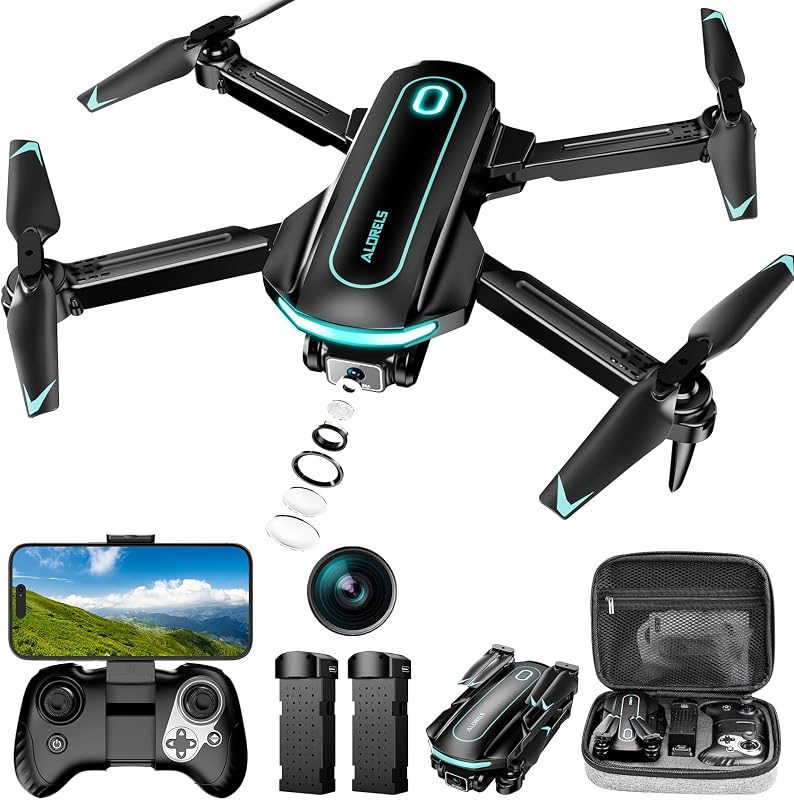
The Mini Drone with 2 Batteries is designed for entry-level indoor and outdoor recreation, offering a 1080P HD FPV camera, a dedicated carrying case, one-key takeoff and landing, trajectory flight, gravity control, and 360-degree aerial flip stunts. It is an ideal gift for kids and younger flyers looking for fun aerobatic maneuvers rather than stabilized cinematic video production.
Final Verdict
The DJI Flip delivers a well-rounded combination of flight safety, imaging capability, and regulatory convenience. By housing a capable 1/1.3-inch CMOS sensor and 3-axis mechanical gimbal within an enclosed carbon fiber protective cage, it eliminates the fragile anxiety typically associated with flying compact camera drones near obstacles or people. Add in responsive subject tracking, effortless palm takeoff, and an O4 transmission system reaching up to 13 kilometers, and you have a personal aerial camera that adapts smoothly to everyday adventures.
While prospective buyers need to factor in the separate purchase of a fast USB-C charging block and the minor inconvenience of direct app downloads on Android phones, these operational quirks do not overshadow the core performance. If your goal is to capture vivid 4K/60fps HDR memories with an aircraft that stays comfortably below the 249-gram FAA registration limit, this safety-first flyer is well worth serious consideration.
FAQ
Does the DJI Flip require FAA registration in the United States?
No. Because the aircraft weighs under 249 grams, it is exempt from mandatory FAA registration and Remote ID broadcast requirements in the United States when flown strictly for recreational purposes.
Can the DJI Flip take off from your palm without a remote controller?
Yes. The aircraft supports a built-in palm takeoff feature that allows it to launch safely from your hand and initiate autonomous subject tracking without needing to connect or hold the remote controller.
Is a battery charger included in the standard retail box?
No. The retail package includes the aircraft, one Intelligent Flight Battery, and the RC-N3 controller, but the wall charger is sold separately. DJI recommends using an official 30W USB-C charger or 65W portable charger.
How do Android users download the required flight control app?
Because the DJI Fly application has been removed from the Google Play store due to platform compatibility issues, Android users must visit the official DJI website to download the APK installer directly to their smartphone.
What is the maximum flight range and transmission protocol on this model?
The aircraft uses DJI O4 transmission technology, providing an operational transmission range of up to 13 kilometers (approximately 8 miles or 44,000 feet) while utilizing Bluetooth and Wi-Fi connectivity protocols.


