
As Amazon Associates, we earn from qualifying purchases. This means we may receive a small commission at no extra cost to you if you click through and make a purchase.
The Sony Cyber-shot RX10 IV is a premium bridge camera engineered to replace a heavy bag of interchangeable lenses with a single, highly capable all-in-one system. Built around an expansive 24-600mm equivalent optical reach, an advanced 1-inch stacked CMOS sensor, and rapid phase-detection autofocus, this camera bridges the gap between everyday convenience and serious sports or nature photography. Our verdict is that for outdoor enthusiasts who want extreme telephoto reach without sacrificing tracking accuracy, it remains an exceptionally versatile tool that justifies leaving interchangeable-lens kits behind.
This camera directly suits wildlife observers, travel photographers, field researchers, and sideline sports shooters who need instant framing flexibility from wide vistas to distant animal subjects. If you want to eliminate midday lens swaps in dusty environments while still enjoying rapid burst shooting, this model fits your workflow seamlessly. However, shooters seeking pocket-sized portability, modular lens expandability, or ultra-low-light full-frame performance should look elsewhere, as the camera carries noticeable physical weight and a permanently attached optic.



Sony Cyber-shot RX10 IV at a Glance

| Attribute | Detail |
|---|---|
| Sensor Type | 20.1 MP 1-inch back-illuminated Exmor RS stacked CMOS with DRAM |
| Lens Focal Length | ZEISS Vario-Sonnar T* 24-600mm equivalent (25x optical zoom) |
| Maximum Aperture | F2.4 to F4 |
| Autofocus Points | 315 phase-detection AF points (approx. 65% frame coverage) |
| Autofocus Acquisition Speed | 0.03 seconds |
| Continuous Burst Rate | Up to 24 fps for up to 249 frames with AF/AE tracking |
| Image Stabilization | Optical image stabilization technology |
| Filter Diameter | 62 mm |
| Shutter Speed Range | 30 seconds to 4 seconds |
| Dimensions and Weight | 5 1/4 x 3 3/4 x 5 3/4 inches; 2 pounds 6.7 ounces (with battery and card) |
ZEISS 24-600mm Zoom Lens and Optical Versatility
The centerpiece of the camera is undoubtedly the ZEISS Vario-Sonnar T* 24-600mm optic. Offering a 25x optical zoom factor, this glass allows photographers to transition instantly from an expansive 24mm wide-angle landscape perspective to a staggering 600mm super-telephoto close-up. Having this entire focal spread integrated into one housing fundamentally changes field photography. You can frame an entire mountain range across a lake and then, within a couple of seconds, isolate a distant bird perched on a branch without opening up the camera body to airborne dust, sand, or rain.
Aperture management across this massive zoom range is equally impressive. The lens opens up to a bright F2.4 at the 24mm wide setting and only narrows to F4 at the extreme 600mm telephoto end. Maintaining an F4 aperture at 600mm is a distinct mechanical advantage, especially when compared to consumer zoom lenses on interchangeable systems that routinely close down to F6.3 or F8 at long focal lengths. This brighter aperture lets in more light, allowing higher shutter speeds that freeze moving wildlife without forcing the camera into excessively noisy sensitivity settings. For those exploring vintage or compact Sony travel gear, such as the compact sony cybershot wx, the optical leap provided by this large ZEISS optic is immediately evident.
To protect the front optic and expand creative control, the lens barrel incorporates a 62mm filter thread. This standard threading enables photographers to screw on circular polarizers to cut water glare or attach neutral density filters for bright outdoor exposures. Complementing the glass is Sony built-in optical image stabilization, engineered specifically to counteract handheld tremors during both still capture and movie recording. At the 600mm telephoto boundary, even breathing or a gentle breeze can shake an image frame, making this optical stabilization critical for maintaining sharp subject edges without hauling a heavy tripod.
Autofocus Speed and Continuous Burst Performance
Tracking fast-moving subjects has traditionally been the primary weakness of bridge cameras, but this model tackles that challenge directly. The manufacturer engineered an autofocus system with a rapid 0.03-second acquisition speed, positioning it among the quickest focusing systems in its class. Driving this speed is a dense focal-plane array featuring 315 phase-detection autofocus points covering roughly 65 percent of the image frame. When an animal darts across the frame or an athlete breaks into a sprint, the phase-detection network quickly identifies subject distance and maintains sharp focus across the composition.
Equally critical for high-speed action is the camera continuous shooting engine. It can fire bursts at an astonishing 24 frames per second with full continuous autofocus and autoexposure tracking engaged. Backing this burst capability is an internal DRAM buffer that lets the system record up to 249 consecutive frames before slowing down. This deep buffer allows action photographers to hold down the shutter release through an entire behavioral sequence, such as a bird taking flight or a dog catching a frisbee, ensuring that the exact peak moment of motion is preserved in crisp focus.
This rapid tracking capability separates the unit from basic point-and-shoot models of the past, including older pocket designs like the ultra-thin sony cybershot dsc tx1. Rather than hunting back and forth through contrast detection, the hybrid focus tracking anticipates subject trajectory across the frame. Photographers also benefit from specialized scene selections and automated modes that tailor tracking parameters to dynamic situations, enabling quick adaptation when transitioning between static forest landscapes and erratic aerial action.
Sensor Performance, Metering, and Image Quality
At the heart of the imaging pipeline sits a 20.1-megapixel 1-inch back-illuminated Exmor RS stacked CMOS sensor. While physically smaller than APS-C or full-frame sensors, a 1-inch sensor is roughly four times larger than the tiny chips found in entry-level pocket cameras or standard smartphones. The stacked architecture separates the pixel section from the high-speed signal processing circuit and integrates dedicated DRAM memory. This structural design dramatically speeds up readout times, which reduces rolling shutter distortion during fast continuous shooting and video capture.
In terms of output, the camera supports both standard JPEG compression and uncompressed Raw capture. Shooting in Raw allows enthusiasts to preserve maximum dynamic range and shadow detail for post-processing adjustments. To ensure proper exposure in high-contrast outdoor lighting, the metering system provides five distinct modes: Multi pattern, centre weighted, spot (with standard or large selection), entire screen average, and highlight metering. The highlight-weighted metering mode is particularly valuable for wildlife enthusiasts, as it protects bright white plumage or sunlit fur from clipping to pure white against darker backgrounds.
Exposure versatility is further reinforced through traditional creative control modes, including Aperture Priority, Shutter Priority, Manual Exposure, and Program Auto. While the technical listing indicates a shutter speed range spanning from 30 seconds to 4 seconds, the automated exposure system and flexible metering allow you to manage daylight action and controlled night scenes with consistent precision across varying lighting conditions.
Body Design, Handling, and Shooting Modes
Ergonomically, the camera adopts the silhouette and control layout of a streamlined digital SLR rather than a fragile compact. Measuring 5 1/4 inches wide, 3 3/4 inches high, and 5 3/4 inches deep, the camera provides a substantial handgrip with textured rubber that allows for a secure, confident hold. Fully loaded with an SDXC memory card and a rechargeable battery, the unit registers an operational weight of approximately 2 pounds 6.7 ounces (with a bare body weight around 2 pounds 5.1 ounces). While heavier than pocket cameras, this physical mass adds welcome inertia that stabilizes handheld telephoto tracking at 600mm.
On the rear panel, the system incorporates a 7.5-inch screen specification indicated in the listing details, providing clear visibility for composing shots and reviewing high-speed burst sequences. Mode selection is straightforward thanks to a dedicated top-plate dial that switches between AUTO, Program Auto, Aperture Priority, Shutter Speed Priority, Manual Exposure, Movie Mode, High Frame Rate (HFR) Mode, Panorama, and Scene Selection. Whether you need rapid panoramic sweeps or slow-motion video captures, the primary controls are accessible without endlessly hunting through software menus.
For photographers who want dependable automation in challenging ambient light, the camera includes an array of preconfigured scene modes. These include Portrait, Sports, Landscape, Sunset, Night Scene, Handheld Night, Night Portrait, Fireworks, and Food. Handheld Night mode combines multiple quick exposures to minimize noise without a tripod, making evening urban exploration simple. If you are accustomed to lightweight everyday models like the sony cybershot g, stepping up to this bridge body provides dedicated physical dials, weather-resistant structural confidence, and a noticeably more stable shooting platform.
Sony Cyber-shot RX10 IV Pros and Cons
Pros
- Versatile 24-600mm ZEISS 25x optical zoom lens
- Rapid 0.03-second autofocus acquisition speed
- 315 phase-detection autofocus points with wide coverage
- Blazing 24 fps continuous burst with full tracking
- Integrated optical image stabilization for steady handheld shooting
- 1-inch stacked Exmor RS sensor with DRAM buffer
Cons
- Substantial weight at over two pounds
- Fixed lens prevents upgrading optics or sensor independently
- Maximum shutter speed limited to four seconds
Check Sony Cyber-shot RX10 IV on Amazon
Who Should Buy the Sony Cyber-shot RX10 IV
Buy It If
- You want a complete 24-600mm optical focal range without carrying multiple heavy telephoto lenses on long hikes or travel tours.
- You regularly track erratic wildlife, birds, or outdoor field sports and need 24 fps bursts paired with 315-point phase-detection autofocus.
- You demand the flexibility of uncompressed Raw files and a 1-inch stacked sensor that significantly outperforms standard compact point-and-shoots.
- You prefer shooting handheld at long telephoto distances and rely on optical image stabilization to keep framing steady.
Skip It If
- You want an ultra-compact pocket camera that weighs only a few ounces and slips invisibly into everyday jeans pockets.
- You need an interchangeable-lens system that accepts specialized ultrawide architectural glass, macro lenses, or full-frame sensors.
- You frequently shoot long nighttime exposures that exceed the listing specified 4-second maximum shutter speed constraint.
Sony Cyber-shot RX10 IV Alternatives Worth a Look
While this bridge camera delivers an unmatched balance of super-telephoto reach and autofocus tracking speed, different photographers operate with unique portability requirements, feature needs, and shooting styles. Exploring alternative options helps identify which camera best matches your daily routines.
1080p Full HD Video

The 1080p Full HD Video listing showcases the KODAK PIXPRO FZ55 compact camera, featuring a 16-megapixel sensor, a 28mm wide-angle lens, 1080p Full HD video recording, a 2.7-inch LCD, and a 5x optical zoom. This model represents an entirely different class of device designed for simplicity, family snapshots, and everyday vlogging. Choose this compact option if you want a featherweight, straightforward point-and-shoot camera that slips easily into a pocket and avoids the bulk, weight, and technical complexity of a professional bridge setup.
iT20 S TTL Mini Flash

The iT20 S TTL Mini Flash bundle centers on the Sony ZV-1 II digital camera paired with an 11-item accessory kit that includes an external mini flash, a 64GB memory card, an extra battery, a dedicated charger, a card reader, a protective camera bag, and cleaning tools. This setup is built specifically for vloggers, casual travelers, and online content creators who prioritize an all-inclusive accessory kit, compact dimensions, and dedicated video production features over extreme 600mm telephoto wildlife reach.
Compact camera with anti-shake

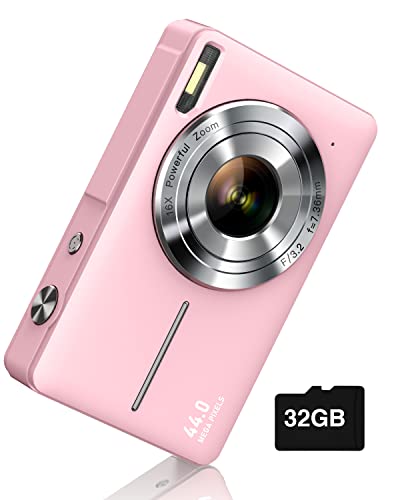
The Compact camera with anti-shake listing highlights the Camkory FHD 1080P digital camera, supplied with a 32GB card, two batteries, a charger, anti-shake technology, and a 16x digital zoom in a pink finish. It is tailored as an introductory camera for kids, beginners, students, and parties. Shoppers should pick this lightweight, accessible unit if they want an uncomplicated gift for a child or young learner to record birthday memories and school trips without worrying about delicate optical components or advanced manual exposure settings.
Final Verdict
The Sony Cyber-shot RX10 IV stands out as a high-water mark in the all-in-one bridge camera category. By pairing a high-grade ZEISS Vario-Sonnar 24-600mm F2.4-F4 optic with a 20.1-megapixel 1-inch Exmor RS stacked CMOS sensor, it resolves the classic trade-off between massive telephoto range and rapid operational response. The integration of 315 phase-detection focus points, a blistering 0.03-second acquisition speed, and 24 frames per second continuous tracking allows this single body to capture erratic wildlife and sports moments that previously required bulky, multi-lens configurations.
Although its physical weight of over two pounds means it cannot compete with pocketable point-and-shoots in pure portability, the trade-off yields exceptional structural durability, deep ergonomics, and dependable optical stabilization at the extreme 600mm boundary. For travelers embarking on nature expeditions, outdoor enthusiasts tired of dusty field lens swaps, and parents documenting high-speed sports from distant bleachers, this camera provides an unmatched combination of speed, reach, and imaging confidence.
FAQ
What is the zoom range on the Sony Cyber-shot RX10 IV?
The camera features a fixed ZEISS Vario-Sonnar T* 24-600mm equivalent lens, which provides a 25x optical zoom range spanning from a wide 24mm angle to an extreme 600mm super-telephoto reach.
How fast is the autofocus on this bridge camera?
The camera features an autofocus acquisition speed of 0.03 seconds and utilizes 315 focal-plane phase-detection autofocus points that cover approximately 65 percent of the image frame for rapid subject acquisition.
Can the camera capture continuous action bursts?
Yes, the camera can capture continuous high-speed bursts at up to 24 frames per second with continuous autofocus and autoexposure tracking, storing up to 249 frames in a single burst thanks to its stacked sensor and DRAM buffer.
Does the Sony RX10 IV support Raw shooting?
Yes, the camera supports both Raw and JPEG image formats, giving photographers complete flexibility to process uncompressed image data in software or save compressed files for immediate use.
Is the camera optically stabilized for handheld shooting?
Yes, the camera includes optical image stabilization technology developed to counteract camera shake during handheld photography and movie recording, which is particularly beneficial at the 600mm telephoto end.


