
As Amazon Associates, we earn from qualifying purchases. This means we may receive a small commission at no extra cost to you if you click through and make a purchase.
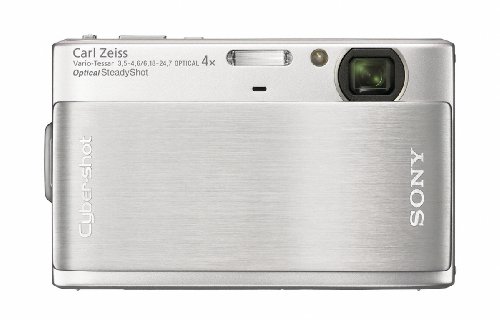
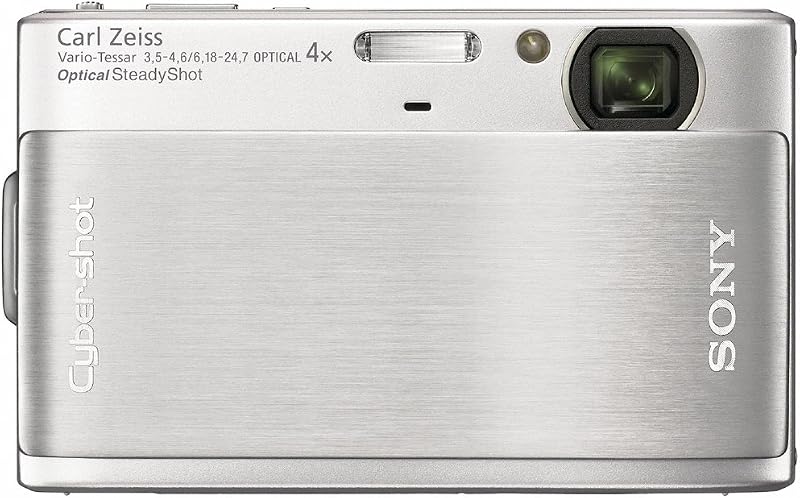
The Sony Cyber-shot DSC-TX1 is an ultracompact point-and-shoot camera engineered to fit easily into a pocket while providing dependable snapshot quality in everyday environments. Equipped with a 10.2-megapixel back-illuminated sensor, a sliding front cover, and an internal Carl Zeiss 4x optical zoom lens, it delivers a responsive shooting experience without the physical bulk of conventional compact cameras. Choosing the sony cybershot dsc tx1 for casual photography gives everyday shooters a slim, automated tool that balances pocketability with capable hardware stabilization.
This camera suits everyday documentarians, travelers, and social photographers who want a fast, stylish camera for evening outings and daytime trips. If you are comparing options in the sony cybershot tx1 series, this model provides straightforward operation paired with quick burst speeds and wide panoramic capture. On the other hand, photographers who demand full manual exposure dials, interchangeable lenses, or 4K video recording will want to look toward advanced interchangeable-lens systems instead.

Sony Cyber-shot DSC-TX1 at a Glance
| Feature | Specification |
|---|---|
| Sensor Resolution | 10.2 Megapixels (Effective Still Resolution) |
| Sensor Type and Size | 1/2.4-inch (6.104 x 4.578 mm) Exmor R BSI CMOS |
| Lens and Optical Zoom | Carl Zeiss Vario-Tessar with 4x Optical Zoom |
| Image Stabilization | Optical SteadyShot |
| Display | 3-inch Touch-Screen LCD |
| Video Recording | 720p HD Movie Mode (MPEG-4 format) |
| Continuous Burst Speed | Up to 10 frames per second at full resolution |
| Shutter Speed Range | 1/1250 second to 2 seconds |
| Form Factor and Weight | Ultracompact body weighing 4.96 ounces |
| Shooting Modes | Program, Sweep Panorama |
Sensor Architecture and Low-Light Snapshot Performance
A closer look at the sony cybershot dsc tx1 specs highlights Sony’s 10.2-megapixel Exmor R CMOS image sensor. Measuring 1/2.4 inches, this sensor employs back-illuminated (BSI) architecture, shifting the metal wiring behind the light-receptive photodiodes instead of leaving it on top. According to the manufacturer, this structural adjustment provides twice the low-light sensitivity of traditional CMOS sensors of similar dimensions. In practical terms, this light-gathering efficiency helps casual photographers take clear indoor photos and evening street snapshots without relying excessively on artificial illumination.
The primary benefit of the sony tx1 exmor r cmos design is a marked reduction in visible digital noise across dim settings. The product details indicate that grain is reduced by more than 50 percent, allowing users to capture ambient light cleanly even when shooting without an auxiliary flash. With an expanded ISO minimum of 125 and automatic exposure control, the camera balances shutter speeds between 2 seconds and 1/1250 second to maintain accurate exposure. In everyday use, this means dinner parties, dimly lit restaurants, and dusk cityscapes retain sharper edges and more natural color tones than older compact sensors could produce.
When evaluated strictly for casual shooting, the sony dsc tx1 low light performance provides a tangible step forward from standard compact point-and-shoot cameras. Snapshots captured at social gatherings or during nighttime strolls maintain dependable contrast and fine detail where non-illuminated sensors often surrender to heavy color noise. Users exploring alternatives across the older sony cybershot wx family will find that the integration of back-illuminated CMOS technology in this unit delivers a clear jump in usable handheld clarity.
Carl Zeiss Optics and Optical SteadyShot Stabilization
Fitting a versatile optical zoom into an ultracompact body requires thoughtful optical design. The camera incorporates a Carl Zeiss Vario-Tessar lens with 4x optical zoom. The optics utilize a folded internal optical path, meaning the internal glass elements move vertically within the chassis rather than protruding outward when powered on. This design keeps the camera exceptionally slim, eliminates the fragile moving barrels typical of standard compacts, and allows the camera to slide smoothly into pockets without snagging.
A constant hazard in handheld ultracompact photography is accidental camera shake, especially when shooting at maximum telephoto or in dim venues. The built-in sony cybershot dsc tx1 optical steadyshot image stabilization counteracts this challenge by shifting internal optical elements to absorb hand motion. Because this is genuine optical stabilization rather than digital cropping, your photos retain their full 10-megapixel detail and sharpness without artificial pixel stretching. This mechanical stabilization works quietly in the background, keeping snapshots crisp across the entire 4x zoom range.
In addition to standard focal lengths, the optical assembly supports close-up photography through an integrated Close Focus mode. This mode allows users to bring the lens to within just under one-half inch of the subject, making it easy to capture sharp macro images of food, foliage, or collectible items. The Carl Zeiss glass maintains high edge contrast across the frame, ensuring that macro shots and wide scenic views alike remain free from excessive edge softness.
Touchscreen Navigation and Body Handling
The operational experience of the camera centers on its 3-inch touch-screen LCD. By shifting most primary controls directly onto the display, the exterior body remains sleek and minimalist. The sony dsc tx1 touch screen lcd allows users to tap screen icons to adjust settings, touch the screen to designate focus points, and swipe through captured pictures during playback. The touch menus are clearly laid out, making it simple to toggle shooting options, set self-timers, or adjust aspect ratios without wading through complicated submenus.
Weighing only 4.96 ounces and styled in a clean silver finish, the camera represents true ultracompact portability. Its sliding metal front face serves a practical dual role: protecting the Carl Zeiss optics when closed and instantly powering on the camera when slid downward. While the listing notes a waterproof attribute, prospective buyers should practice reasonable caution around open water, as ultra-slim sliding-cover cameras are designed primarily for pocket protection and daily handling rather than deep underwater submersion.
Adopting an all-touch interface naturally brings subtle trade-offs. Compared to physical-button models like the sony cybershot w610, the touch screen creates a clean rear panel, but users wearing thick gloves may find screen taps less immediate than pressing physical buttons. Nevertheless, for casual users accustomed to modern smartphone screens, the direct touch-to-focus interface and intuitive menu layout make adjusting settings fast and comfortable.
Burst Shooting, Sweep Panorama, and Video Features
Beyond standard still snapshots, the sony cybershot tx1 features several high-speed recording functions enabled by its responsive Exmor R processor. A standout technical capability is the 10 frames per second continuous burst shooting mode at full 10.2-megapixel resolution. Capturing 10 fps without mechanical distortion lets users freeze fast-moving action, such as pets playing, sporting events, or candid party moments, helping ensure you capture the exact fraction of a second you want.
Another signature capability is Sony’s Sweep Panorama mode, accessible directly from the shooting mode menu. Instead of requiring users to capture multiple separate photos and stitch them together using desktop software, the camera automates the entire panoramic process. Users press the shutter button and pan the camera across a scenic skyline or landscape in a continuous sweep motion. The camera rapidly shoots high-speed frames and stitches them into an ultra-wide panoramic photo in seconds.
For moving images, the camera includes an HD Movie mode that captures 720p high-definition video in the MPEG-4 format. In addition to 720p recording, the camera offers a wide zoom display function that resizes images to a 16:9 aspect ratio, matching modern widescreen displays. Through PhotoTV HD mode, users can connect the camera to compatible BRAVIA HDTVs to showcase high-resolution photos with optimized color accuracy and contrast on large living room screens.
Sony Cyber-shot DSC-TX1 Pros and Cons
Pros
- Ultracompact 4.96-ounce slim silver body
- Exmor R BSI CMOS sensor for low-light clarity
- Carl Zeiss 4x optical zoom with Optical SteadyShot
- Responsive 3-inch touch-screen LCD display
- Fast 10 fps full-resolution continuous burst
- Automated Sweep Panorama shooting mode
Cons
- Video capture capped at 720p HD resolution
- Lacks manual exposure aperture or shutter controls
- Touchscreen-reliant controls without physical dials
Check Sony Cyber-shot DSC-TX1 on Amazon
Who Should Buy the Sony Cyber-shot DSC-TX1
Evaluating whether this ultracompact model matches your daily habits requires looking closely at how you plan to capture everyday photos.
Buy It If
- You want a featherweight 4.96-ounce camera that fits flat in a pocket for dinners, parties, and casual travel.
- You want fast 10 fps continuous burst shooting to capture dynamic action without image distortion.
- You value the convenience of an automated Sweep Panorama mode for effortless wide landscape shots.
- You prefer a simple, streamlined 3-inch touch-screen interface over multi-button hardware layouts.
Skip It If
- You require full manual exposure modes with physical shutter speed and aperture control dials.
- You need Full HD 1080p or 4K video recording for modern video production or vlogging.
- You prefer tactile physical buttons and directional pads rather than a glass touchscreen interface.
Sony Cyber-shot DSC-TX1 Alternatives Worth a Look
If your photographic needs call for different specifications, video resolutions, or accessories, several alternatives on the market present contrasting capabilities.
1080p Full HD Video

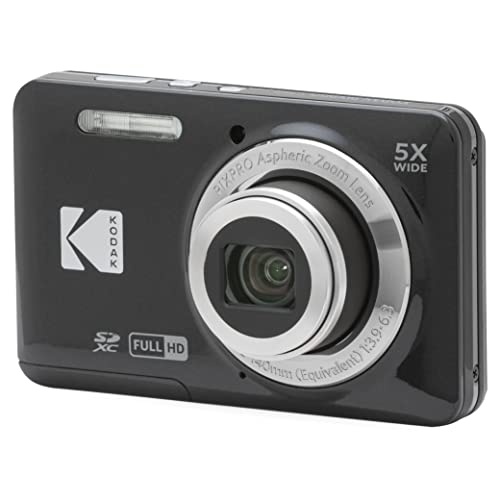
The 1080p Full HD Video camera, represented by the Kodak Pixpro FZ55, offers 16 megapixels of resolution alongside 1080p Full HD video recording. Featuring a 28mm wide-angle lens with 5x optical zoom, a 2.7-inch LCD screen, and a rechargeable lithium-ion battery, it provides higher still resolution and upgraded video capture for users who want standard point-and-shoot button controls and modern video resolution for casual vlogging.
iT20 S TTL Mini Flash

The iT20 S TTL Mini Flash bundle is built around the Sony ZV-1 II digital camera, offering an 11-item kit that includes an external TTL mini flash, a 64GB memory card, a spare battery, a charger, a card reader, a camera bag, and maintenance brushes. This bundle serves content creators and vloggers who need dedicated external illumination and an extensive production kit rather than a simple pocket snapshot device.
Compact camera with anti-shake

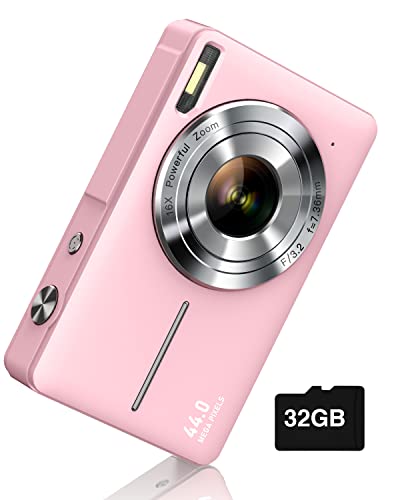
The Compact camera with anti-shake, listed as the Camkory FHD 1080P digital camera, is an entry-level camera designed specifically for kids, students, and beginners. Finished in pink, it comes equipped with a 32GB memory card, two batteries, a charger, 16x digital zoom, and built-in anti-shake technology, serving as an approachable gift option for young learners seeking simple operation without delicate internal zoom mechanisms.
Final Verdict
The Sony Cyber-shot DSC-TX1 stands out as a well-engineered ultracompact camera that delivers practical snapshot performance in an ultra-slim chassis. By uniting a 10.2-megapixel Exmor R BSI CMOS sensor with a folded Carl Zeiss 4x optical zoom lens and Optical SteadyShot stabilization, the camera keeps hand shake and low-light noise under control during everyday use. Its combination of 10 fps burst shooting, Sweep Panorama capture, and a clean 3-inch touch screen makes everyday photography fast, fun, and accessible.
When asking if the sony cybershot dsc-tx1 is worth it, the answer depends entirely on your desire for compact convenience. Shooters looking for extended optical zoom ranges might explore bulkier alternatives like the sony cybershot dsc hx30v, but for anyone who wants a lightweight, pocket-ready snapshot tool with solid low-light sensitivity and automated simplicity, this camera remains a dependable everyday companion.
FAQ
Does the Sony Cyber-shot DSC-TX1 record high-definition video?
Yes, the camera includes an HD Movie mode that records 720p video in the MPEG-4 format. It also supports PhotoTV HD mode, allowing users to connect the device to compatible BRAVIA HDTVs to view high-resolution still images with rich color fidelity on widescreen televisions.
What are the primary Sony Cyber-shot DSC TX1 specs for low light?
The camera relies on a 1/2.4-inch Exmor R back-illuminated CMOS sensor offering 10.2 megapixels. Its back-illuminated design doubles light sensitivity compared to standard CMOS sensors and cuts visible image noise by more than 50 percent, allowing cleaner handheld photos in low ambient light.
How does the camera maintain image stability without a tripod?
The camera features Optical SteadyShot image stabilization, which shifts internal lens elements mechanically to counteract handheld shake. This ensures sharp, clear still images across the entire 4x zoom range without degrading resolution through digital image cropping.
What optical zoom range does the Carl Zeiss lens provide?
The camera is equipped with a Carl Zeiss Vario-Tessar lens offering 4x optical zoom. Because it utilizes internal folded optics, the lens elements move entirely inside the camera body without extending outward, maintaining a flat, pocket-friendly form factor.
How fast does the camera shoot in continuous burst mode?
The camera is capable of capturing high-speed continuous bursts at up to 10 frames per second at full 10.2-megapixel resolution, allowing photographers to freeze rapid action and fast-moving subjects without geometric distortion.


