As Amazon Associates, we earn from qualifying purchases. This means we may receive a small commission at no extra cost to you if you click through and make a purchase.
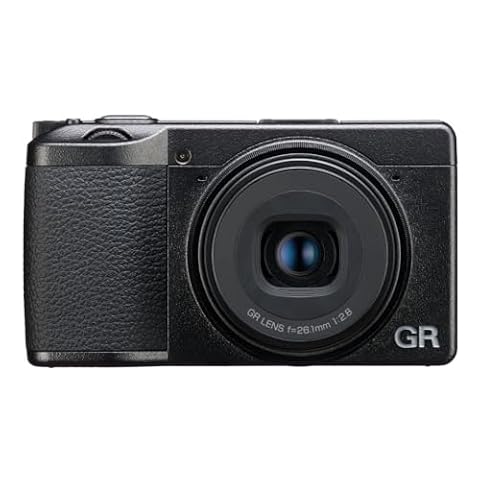
The Fujifilm X100VI is a specialized compact camera that pairs a high-resolution 40MP APS-C X-Trans CMOS 5 HR BSI sensor and an integrated f/2 lens with 5-axis in-body image stabilization. Based on our analysis of its specifications and design, it delivers flagship-level image clarity and handheld stability in an everyday carry form factor that prioritizes tactile manual control. For shooters seeking uncompromised image resolution in a portable package, it sets a formidable standard among fixed-lens cameras.
This camera fits documentary photographers, street shooters, and travel enthusiasts who want exceptional resolving power and low-light dependability without hauling heavy gear bags or multiple lenses. However, those who require versatile zoom ranges for distant wildlife, sports action, or interchangeable lens flexibility should look toward traditional mirrorless camera systems instead.




Fujifilm X100VI at a Glance

An examination of the manufacturer specifications highlights how this sixth-generation model blends mechanical dials with modern digital processing components.
| Feature | Specification |
|---|---|
| Sensor Type | 40MP APS-C X-Trans CMOS 5 HR BSI |
| Image Processor | X-Processor 5 |
| Lens Maximum Aperture | f/2 |
| Image Stabilization | 5-axis In-Body Image Stabilization (up to 6 stops) |
| Viewfinder | 0.5-inch OLED reverse Galilean hybrid (approx. 3.69 million dots) |
| Rear Display | 3-inch tilting LCD monitor |
| Shutter Speed Range | 3600 seconds to 1/32000 seconds (electronic) |
| Base Expanded Sensitivity | ISO 64 |
| Movie Capability | 6.2K at 30p (H.265 10-bit 4:2:2) |
| Subject Detection | Face, Eye, Animals, Birds, Cars, Motorcycles, Bicycles, Planes, Trains |
Image Resolution and Sensor Capabilities
At the foundation of the fujifilm x100vi compact camera is its 40MP APS-C X-Trans CMOS 5 HR back-illuminated sensor, paired directly with the high-speed X-Processor 5. Moving to a 40-megapixel resolution gives this compact model significantly higher resolving power than previous 26-megapixel iterations. Fine textures, distant foliage, and intricate architectural brickwork are rendered with crisp fidelity. The expanded base sensitivity of ISO 64 allows photographers to maintain cleaner tones and higher dynamic range in bright daylight situations, minimizing blown highlights when shooting wide open.
A practical benefit of the fujifilm x100vi 40mp sensor is the digital cropping freedom it offers. Because the camera features a built-in prime lens, having 40 megapixels allows you to crop into your frame during post-processing while still retaining generous pixel counts for printing or detailed digital presentation. The sensor supports multiple aspect ratios, including native 3:2, widescreen 16:9, and classic 4:3 framing, all processed directly into JPEG files. For photographers who also evaluate interchangeable-lens options like the fujifilm xt30 iii, having this caliber of resolution in a self-contained fixed-lens housing eliminates the hassle of sensor dust contamination when swapping optics in the field.
To preserve long-term image cleanliness, Fujifilm incorporated an ultrasonic vibration sensor cleaning unit. Dust accumulation is a historic concern on fixed-lens cameras because users cannot easily access the sensor chamber for manual cleaning. The self-cleaning sensor unit activates automatic high-frequency vibrations to dislodge loose particles, ensuring consistent image quality across months of active travel.
In-Body Image Stabilization Performance
The addition of internal mechanical stabilization represents the most functional hardware upgrade on this model. The fujifilm x100vi image stabilization system utilizes a 5-axis mechanism that delivers up to 6 stops of shake compensation. In real-world environments, this makes handheld photography feasible at noticeably slower shutter speeds. Photographers can capture clean night cityscapes, dim indoor gatherings, and shaded forest scenes without needing to prop the camera on a flat surface or reach for a bulky tripod.
For ambient-light street photography, stabilization allows you to keep your ISO lower to minimize digital noise, even as daylight fades into twilight. The shutter mechanism supports exposures ranging from 3600 seconds for specialized long exposures up to an ultra-fast 1/32000 of a second via the electronic shutter. Having 6 stops of compensation stabilizes both the live preview and the exposure itself, helping you maintain sharp focus when holding the camera overhead or composing from low angles.
Handheld video capture also benefits from this 5-axis integration. Creators capturing spontaneous clips on the street do not need a motorized gimbal to achieve stable footage. While video-first shooters often prefer specialized mirrorless bodies such as the fujifilm x s20, the X100VI provides robust internal video specifications, recording up to 6.2K movies at 30p in 10-bit 4:2:2 H.265 format. The mechanical stabilization smooths out micro-jitters, ensuring handheld video clips look deliberate and professional.
Autofocus and Intelligent Subject Recognition
Fast and accurate focusing is critical for a documentary camera, and the fujifilm x100vi autofocus system leverages deep-learning subject recognition alongside the X-Processor 5. The camera tracks human faces and eyes with immediate responsiveness, locking onto subjects even when they wear glasses, walk in crowded streets, or momentarily turn away from the frame. This dependable tracking allows the shooter to concentrate on timing and emotional expression rather than constantly adjusting focus points.
Beyond human detection, the camera includes pre-programmed recognition modes for animals, birds, automobiles, motorcycles, bicycles, airplanes, and trains. When documenting urban transit or tracking pets in the park, the autofocus engine instantly draws a bounding box around the subject and holds focus as it traverses the frame. This reduces missed opportunities during fast-moving candid moments where manual focus adjustments would simply be too slow.
The autofocus tracking works reliably across the entire aperture range, maintaining positive focus acquisition at the maximum f/2 opening. Even under low-contrast evening lighting, the phase-detection system locks on targets without distracting hunting. While telephoto-focused sports cameras have distinct tracking requirements, this system provides the quick, accurate responsiveness required for spontaneous street, documentary, and daily family photography.
Viewfinder Technology and Classic Handling
Composing images through the signature fujifilm x100vi hybrid viewfinder offers a tactile shooting experience rarely found on modern digital cameras. The system features a 0.5-inch OLED reverse Galilean optical viewfinder coupled with an electronic bright frame display and approximately 3.69 million dots of electronic resolution. The optical mode allows you to see outside the active image frame, which is invaluable for anticipating when a walking pedestrian or passing bicycle is about to enter your shot. Switching to the electronic viewfinder provides an exact real-time preview of your exposure, white balance, and film tone rendition.
Handling is heavily influenced by classic manual cameras, featuring an aluminum top-plate and machined aluminum control dials. Physical dials for shutter speed and exposure compensation enable quick, deliberate changes without diving into digital menu trees. This physical layout reinforces good photographic discipline, letting you verify exposure settings before lifting the camera to your eye. The silver finish and vintage styling also appear non-intimidating, allowing you to photograph public scenes without the self-conscious reaction that large professional gear often provokes.
For waist-level shooting or unconventional perspectives, the camera features a 3-inch tilting LCD monitor. The screen flips out smoothly, letting you compose candid street frames from waist level without crouching on the sidewalk. While simple snapshot cameras like the instax mini 40 provide analog spontaneity, the X100VI gives you complete manual control over every photographic parameter while retaining a compact, understated physical presence.
Form Factor and Everyday Carry Practicality
Weighing and sizing considerations are central to the appeal of this model as an everyday carry tool. The fujifilm x100vi everyday carry credentials stem from its slim, compact chassis, which fits comfortably inside a small shoulder bag, backpack sleeve, or winter coat pocket. Having a high-grade 40MP camera constantly available means you never have to choose between photographic quality and the convenience of traveling light.
However, relying on a fixed-lens compact introduces genuine trade-offs that buyers must understand. You cannot zoom optically to capture distant details, nor can you mount specialized wide-angle architecture lenses or long portrait telephotos. While the 40MP sensor affords ample digital cropping room, you must physically position yourself relative to your subject. Furthermore, the listing identifies JPEG recording and panorama shooting modes, but users seeking specialized heavy-duty weatherproofing or a deep, rubberized handgrip for heavy lenses will find the slim retro grip less substantial during all-day holding.
Fujifilm X100VI Pros and Cons
Pros
- High-resolution 40MP APS-C BSI sensor
- 5-axis in-body stabilization up to 6 stops
- Versatile hybrid optical and electronic OLED viewfinder
- Intelligent subject recognition autofocus tracking
- Crisp 6.2K 30p 10-bit movie recording
Cons
- Fixed prime lens lacks optical zoom
- Compact body lacks deep ergonomic grip
- Listing indicates JPEG only file support
Check Fujifilm X100VI on Amazon
Who Should Buy the Fujifilm X100VI
Determining whether this premium compact fits your workflow comes down to how much you value tactile controls, portability, and fixed-lens discipline over optical zoom versatility.
Buy It If
- You want 40MP resolution and 5-axis image stabilization packed into a pocketable everyday chassis.
- You specialize in street, travel, or environmental portrait photography and prefer physical exposure dials.
- You appreciate switching between a real-time OLED electronic display and a reverse Galilean optical viewfinder.
- You need fast subject-tracking autofocus that automatically locks onto people, vehicles, and animals.
Skip It If
- You need optical zoom lenses to photograph faraway sports, wildlife, or live stage performances.
- You prefer a deep ergonomic handgrip designed for large, heavy lens combinations.
- You only want a simple, budget-friendly point-and-shoot camera for quick snapshot duties.
Fujifilm X100VI Alternatives Worth a Look
If a fixed-lens manual compact does not match your specific focal requirements or budget, consider these alternative compact models from the same category search.
1080p Full HD Video

The 1080p Full HD Video camera, listed as the Kodak Pixpro FZ55, is a compact 16MP point-and-shoot equipped with a 5X optical zoom, a 28mm wide-angle lens, and a 2.7-inch LCD screen. It is an entry-level option suited for casual family snapshot shooters and beginners who want basic zoom capabilities and simple push-button controls without manual complexity.
18X Zoom Autofocus Anti-Shake,2.8″ IPS

The 18X Zoom Autofocus Anti-Shake,2.8″ IPS compact digital camera offers 4K video recording, an 18X zoom range, anti-shake stabilization, and an included 32GB SD card. It represents an accessible alternative designed primarily for students, teens, and casual users who need a lightweight camera for school projects or vacations with push-button simplicity.
Panasonic LUMIX ZS99 Point

The Panasonic LUMIX ZS99 Point and shoot camera features a versatile 30x optical zoom lens spanning a 24-720mm equivalent focal range alongside 4K video and photo modes. Travelers and concertgoers who require long telephoto reach to capture distant stages or wildlife should choose this Panasonic model over the single fixed focal length of the X100VI.
Final Verdict
The Fujifilm X100VI proves that a fixed-focal-length compact can serve as a serious primary tool for discerning photographers. By integrating a 40MP APS-C sensor with 5-axis image stabilization and intelligent subject tracking, it solves the handheld low-light limitations that challenged earlier compact cameras. The machined aluminum dials, tactile exterior, and hybrid optical/electronic viewfinder foster an engaging shooting experience that makes you want to carry the camera everywhere.
It is not a universal solution for every photographic genre: sports photographers and wildlife trackers will inevitably be limited by the single prime lens. But for street photography, travel documentation, and everyday moments, the X100VI delivers stunning optical clarity, fast performance, and exceptional build quality. When deciding if the fujifilm x100vi is worth it, the answer is a resounding yes for shooters who prize deliberate framing and portable high-resolution imaging.
FAQ
Does the camera feature built-in image stabilization?
Yes. The camera includes a 5-axis in-body image stabilization (IBIS) system providing up to 6 stops of shake compensation, allowing for sharp handheld exposures at slow shutter speeds.
Can you change lenses on this camera?
No. The camera features a permanently built-in prime lens with an f/2 maximum aperture. Although the listing specification table mentions Fujifilm X compatible mountings, the physical hardware is an integrated fixed-lens compact camera.
What video resolutions can this camera record?
The camera supports internal movie recording up to 6.2K resolution at 30p using 10-bit 4:2:2 H.265 compression, making it suitable for high-resolution video capture.
How does the hybrid viewfinder switch between modes?
The 0.5-inch hybrid viewfinder allows you to switch between an optical reverse Galilean view with electronic bright frames and an electronic OLED display boasting approximately 3.69 million dots for real-time exposure simulation.
What subjects can the autofocus system detect automatically?
The autofocus tracking system detects human faces and eyes, as well as animals, birds, automobiles, motorcycles, bicycles, airplanes, and trains using intelligent recognition algorithms.