
As Amazon Associates, we earn from qualifying purchases. This means we may receive a small commission at no extra cost to you if you click through and make a purchase.
The E88 Pro Drone is a compact, folding quadcopter engineered for novice pilots who want an approachable platform to learn the basics of manual flight control. Manufactured from durable ABS plastic and powered by 816 coreless motors, the aircraft features a dual-camera system, barometric altitude stabilization, and an extra modular battery directly in the box. While listing titles highlight 4K video recording, our research into the product specifications reveals that this quadcopter functions best as a forgiving training aircraft for stick coordination rather than a professional cinematic recording rig.
This entry-level drone suits teenagers aged 14 and older, curious hobbyists, and first-time flyers looking to master directional control without stressing over delicate components. However, content creators who need stabilized aerial footage, true cinematic clarity, autonomous waypoint navigation, or heavy wind resistance will find its lightweight construction and fixed camera array limiting, and should look toward dedicated aerial photography platforms instead.


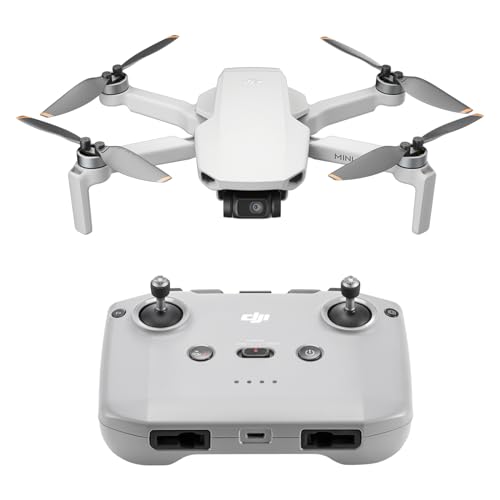

E88 Pro Drone at a Glance

| Specification | Manufacturer Listing Detail |
|---|---|
| Folded Dimensions | 12.5 x 8.0 x 5.5 cm |
| Unfolded Dimensions | 31.0 x 27.0 x 5.0 cm |
| Motor Type | 816 Coreless Motor |
| Battery Configuration | 3.7V 1800 mAh Lithium Polymer (2 packs included) |
| Flight Duration | Up to 10 minutes per battery |
| Recharge Time | Approximately 100 minutes via USB |
| Operating Range | Up to 100 meters (2.4 GHz) |
| Camera Capabilities | 4K Video Capture / 6 MP Stills / Wi-Fi FPV |
| Transmitter Power | 3 x 1.5V AA batteries (not included) |
| Age and Skill Rating | Intermediate, ages 14 and older |
Flight Stability and Altitude Hold Capabilities
Flight control on an entry-level quadcopter can easily overwhelm a beginner, but the built-in e88 pro drone altitude hold helps simplify the learning curve. By utilizing internal barometric pressure sensors, the drone automatically maintains its vertical hover position once you release the left throttle stick. Rather than constantly making micro-adjustments to keep the aircraft from sinking into the lawn or climbing uncontrollably into tree branches, first-time pilots can focus entirely on learning pitch, roll, and yaw movements across the horizontal plane.
Underneath the hood, the aircraft relies on 816 coreless brushed motors spinning four balanced rotor blades. While these compact motors provide lively throttle responsiveness and support aerobatic 360-degree flips, they lack the raw torque found on commercial brushless systems. Flyers should note that this platform relies on visual positioning and basic internal sensors rather than satellite navigation. In completely calm conditions or large indoor spaces, the hover remains relatively steady. However, when taking it outside, even a light breeze will cause the ultra-light ABS airframe to drift downwind, requiring prompt manual counter-steering on the analog sticks.
Pilots transitioning from ground-based RC toys will appreciate the headless mode feature. When activated, headless mode overrides the drone’s physical nose orientation, locking flight commands relative to the pilot’s position. Pushing forward on the right directional stick moves the craft straight away from you, regardless of which way the front camera points. While mastering true directional orientation is an essential piloting skill explored in our guide to the drone dji mini 2 pro, having headless mode available ensures that panicked novices can safely guide the aircraft back before losing their visual sightline.
Camera Performance and Real-Time Video Streaming
When evaluating e88 pro drone camera quality, separating marketing claims from physical sensor limits is crucial. The listing describes a dual-camera layout with 4K video recording alongside an effective still image resolution of 6 megapixels. In real-world operation, this setup delivers standard-definition real-time viewing and casual aerial snaps rather than cinema-ready video files. The compact sensor lacks a motorized mechanical gimbal or electronic image stabilization, meaning every rotor vibration, tilt, and wind adjustment translates directly into the recorded footage.
The aircraft streams live first-person view (FPV) imagery to your smartphone over a dedicated Wi-Fi signal. For casual backyard exploration or framing basic overhead snapshots of your property, this real-time feed provides plenty of visual feedback. However, because the system relies on standard mobile Wi-Fi rather than amplified digital transmission tech, the video signal can experience slight frame drops or latency when the drone reaches the far edge of its operational perimeter. It serves well for basic framing, but pilots should not rely solely on the screen to navigate through tight obstacles.
For youth pilots and hobbyists testing out aerial photography concepts, the dual-lens arrangement offers an engaging vantage point. Pilots can switch perspectives to inspect the ground directly below or monitor forward progress during low-altitude passes. If your objective is capturing crisp holiday family photos or uploading high-bitrate clips to video sharing platforms, the fixed-focus sensor will show noticeable compression artifacts and motion blur. Treating the camera as a functional training tool keeps user expectations grounded and aligned with the hardware.
Battery Life, Charging Cycles, and Dual Pack Utility
Battery endurance represents one of the most critical aspects of any multirotor experience, and the e88 pro drone battery life delivers about 10 minutes of active hovering per pack. Drawing power from a 3.7V 1800 mAh lithium polymer cell, flight duration decreases slightly if you consistently engage the 360-degree flip feature, fight gentle headwinds, or stream high-resolution Wi-Fi video continuously to a connected mobile device. For an ultra-light quadcopter in this class, a 10-minute flight window aligns closely with standard industry expectations.
A major advantage of this specific package is the inclusion of two modular flight batteries right out of the box. Instead of packing up after a single 10-minute sortie, pilots can swap in the freshly charged secondary pack and extend their total e88 pro drone flight time to roughly 20 cumulative minutes. Swapping the batteries takes seconds thanks to the clip-in battery compartment design, which eliminates loose external wires and protects the delicate connector pins from accidental bending during field changes.
Recharging the 1800 mAh LiPo cells requires approximately 100 minutes per battery using the included USB charging cable. Because the cells generate mild heat during aggressive discharges, pilots should always allow each battery to cool down to room temperature for ten to fifteen minutes before plugging it into a powered USB port. Taking proper care of these single-cell LiPo packs preserves internal chemistry, prevents cell swelling, and ensures consistent voltage delivery across dozens of flight sessions.
Transmitter Operations, App Setup, and Working Range
The included handheld transmitter utilizes a 2.4 GHz 4-channel radio link that provides positive control responsiveness up to an advertised e88 pro drone range of 100 meters. The controller features a folding smartphone clamp that holds standard-sized mobile devices securely above the dual control sticks. It is worth noting that the transmitter requires three 1.5V AA batteries to function, which are not included in the retail box, so buyers must supply their own before heading out for a first flight.
Completing the initial e88 pro drone app setup is straightforward on both modern operating systems. Pilots download the compatible mobile application via an APK link or app store, power on the aircraft to broadcast its internal Wi-Fi SSID, and connect their smartphone directly to the drone’s wireless network. Once paired, the app interface overlays battery alerts, shutter buttons, and an FPV video window over the mobile display. Users can even fly the drone entirely via virtual on-screen joysticks, although the physical handheld transmitter offers far superior tactile precision.
While the physical radio link maintains responsiveness near the 100-meter threshold, practical flight discipline dictates keeping the drone well within visual line of sight. At distances beyond 50 or 60 meters, the compact black frame becomes difficult to orient against trees or gray skies. As detailed in our overview of the m8 pro drone 2026, entry-tier aircraft without automated GPS failsafes rely entirely on the pilot’s eyes to maintain orientation and avoid signal loss.
Airframe Construction, Portability, and Impact Protection
Durability is paramount for beginners learning the ropes, and this e88 pro quadcopter review highlights an airframe purpose-built to survive the occasional tumble. Measuring 12.5 x 8.0 x 5.5 cm when folded, the aircraft collapses into a pocketable silhouette that fits easily inside backpacks or glove compartments. Unfolded for takeoff, the frame spans 31.0 x 27.0 x 5.0 cm, giving it sufficient presence in the air to track orientation against backyard foliage.
The body shell is molded from lightweight ABS plastic, which offers a balance of structural rigidity and flex under impact. The package includes four clip-on propeller guards that snap around the motor pods, creating an external perimeter shield. When practicing low-altitude hovers indoors or navigating near patio furniture, these guards deflect light collisions away from the spinning blades, preventing motor lockups and minimizing wear on the mechanical gearboxes.
Even with protective guards installed, rough landings or direct impacts with brick walls can occasionally fracture an airfoil. To keep downtime minimal, the manufacturer includes four spare rotor blades in the box along with the necessary mounting hardware. Because the manufacturer labels the skill rating as intermediate for ages 14 and older, adult supervision remains recommended when younger teenagers handle blade replacements and initial motor calibrations.
E88 Pro Drone Pros and Cons
Pros
- Two 1800 mAh flight batteries included
- Compact folding arms for easy transport
- Altitude hold mode aids hovering stability
- Includes four protective propeller guards
- Built-in 360-degree flip aerobatics
Cons
- Short 10-minute flight time per battery
- 100-minute charging duration via USB
- Transmitter requires three AA batteries not included
- Operating range limited to 100 meters
Who Should Buy the E88 Pro Drone
The E88 Pro Drone occupies a specific niche in the remote-control market, serving as an inexpensive stepping stone rather than an all-in-one imaging workstation. Understanding your personal flight goals ensures you invest in an aircraft that aligns with your technical expectations.
Buy It If
- You are a complete beginner or shopping for a teenager aged 14+ who wants to practice manual stick inputs without financial worry.
- You plan to fly primarily indoors or in windless backyards where barometric altitude hold can keep the aircraft stable.
- You appreciate having two modular batteries included from day one, doubling your operational flight time without buying extra gear.
- You want a lightweight, folding drone equipped with propeller guards that can withstand common learning-curve crashes.
Skip It If
- You expect stabilized, high-bitrate video footage for YouTube or professional client projects, which requires a mechanical gimbal.
- You frequently fly in breezy outdoor conditions where the lack of GPS stabilization and light ABS frame will cause continuous drift.
- You need extended operational ranges beyond 100 meters or flight durations longer than 10 minutes per battery pack.
E88 Pro Drone Alternatives Worth a Look
If the technical profile of the E88 Pro Drone does not completely align with your requirements, several alternative quadcopters provide different trade-offs in camera mechanics, transmission range, and flight endurance.
2K HD FPV Drone

The 2K HD FPV Drone is a direct competitor designed for teenagers and adult beginners, featuring a 2K camera system, altitude hold, headless mode, and a convenient one-key takeoff and landing button. It also packages two flight batteries inside a foldable airframe. Pilots who want three selectable flight speed modes to gradually scale their control difficulty as their skills improve will appreciate the tailored progression this model offers.
3-Axis Gimbal

For flyers seeking a massive leap in flight performance and camera stability, the 3-Axis Gimbal quadcopter (DJI Mini 4K platform) delivers true cinematic capabilities. Weighing under 249 grams, this advanced aircraft features mechanical 3-axis stabilization, a 10-kilometer video transmission range, level-5 wind resistance, and up to 31 minutes of flight time on a single pack. It represents the logical next step for creators who find toy-class fixed cameras too jittery, offering a build philosophy similar to premium platforms like the drone mavic 4 pro.
DJI Mini 4K Camera Drone
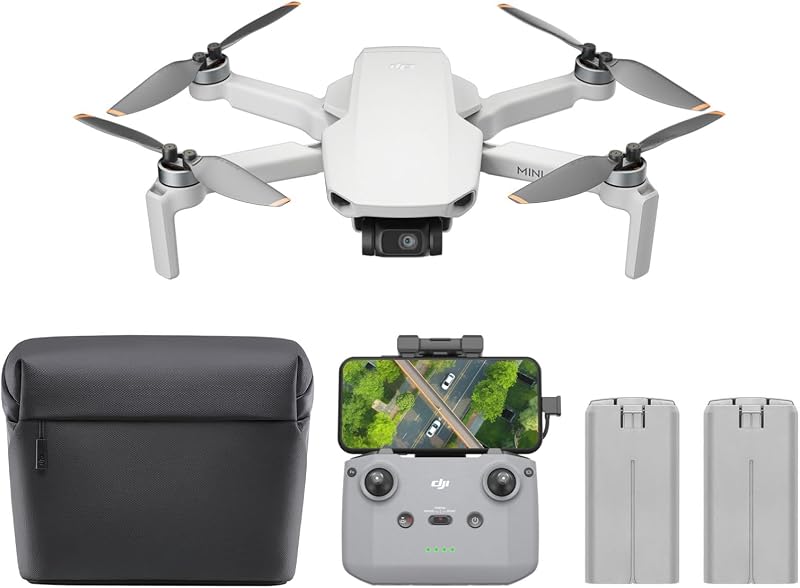
The DJI Mini 4K Camera Drone bundle expands upon high-end flight engineering by including two intelligent flight batteries for a cumulative 62 minutes of airtime. Featuring a 4K UHD stabilized camera on a 3-axis motorized gimbal, automated QuickShots flight paths, and robust GPS auto-return functionality, this aircraft is engineered for dedicated aerial videographers who require reliable long-distance exploration and rock-solid hovering stability.
Final Verdict
When asking whether the e88 pro drone is worth it, the answer depends entirely on how you define your flight goals. If you evaluate it against commercial aerial cinema drones, its fixed camera sensor, light wind resistance, and 100-meter range will fall short. But when viewed as a starter training platform, the aircraft succeeds by offering forgiving barometric altitude hold, straightforward app pairing, and two modular batteries that provide 20 cumulative minutes of practice time for beginners learning the fundamentals.
For parents introducing a teenager to radio-controlled aviation or adults wanting to build muscle memory before investing in an expensive GPS-stabilized aircraft, the E88 Pro Drone represents a sensible, low-pressure training tool. It handles the inevitable bumps and grass landings of early training flights, giving you the hands-on experience needed to master manual piloting.
FAQ
How long does the E88 Pro Drone battery take to recharge?
Recharging the 3.7V 1800 mAh lithium polymer battery takes approximately 100 minutes using the supplied USB charging cable. Pilots should always allow the battery pack to cool down after a flight before plugging it into a charging port to prolong its overall operating lifespan.
Does the E88 Pro Drone feature GPS positioning?
No, the E88 Pro Drone does not have built-in GPS satellite positioning. It relies on internal barometric pressure sensors for altitude hold and basic visual positioning sensors for lateral stability, meaning pilots must manually counteract air currents when flying outdoors.
What batteries are required for the remote control transmitter?
The handheld 2.4 GHz transmitter requires three 1.5V AA alkaline batteries to operate. These batteries are not included in the package and must be purchased separately prior to your first flight.
Can the E88 Pro Drone be flown outdoors in windy weather?
The aircraft is very lightweight and driven by compact 816 coreless motors, making it vulnerable to wind drift. While it can be flown outdoors in calm conditions, flying in moderate or gusty winds will overwhelm the motors and make holding position difficult without GPS assistance.
What accessories are included inside the box?
The package contains the E88 RC quadcopter, the handheld 2.4 GHz remote transmitter, two 3.7V 1800 mAh LiPo batteries (one standard plus one extra), a USB charging cable, four protective propeller guards, and four spare rotor blades.


