As Amazon Associates, we earn from qualifying purchases. This means we may receive a small commission at no extra cost to you if you click through and make a purchase.
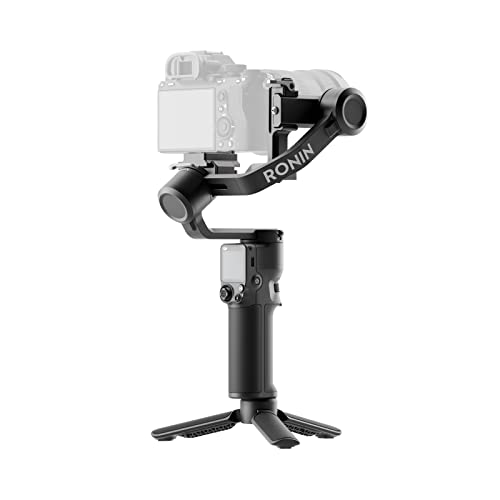
The DJI RS 4 Combo is an advanced motorized camera stabilizer package designed to bring professional three-axis stabilization, smooth ergonomic handling, and physical lens control to modern digital video creators. By combining a refined motor platform with dedicated secondary accessories, it offers a complete, production-ready stabilization solution straight out of the box.
This comprehensive package is tailored for solo filmmakers, commercial videographers, and dedicated content creators shooting with mirrorless camera platforms who require fast transitions to vertical formats and physical focus control. Videographers operating ultra-compact pocket cameras or heavier high-end cinema camera rigs should bypass this mid-tier configuration for gear specifically matched to their weight profiles.


DJI RS 4 Combo at a Glance

| Attribute | Detail |
|---|---|
| Stabilization Type | 3-Axis Image Stabilization |
| Maximum Payload Capacity | 3 kg (6.6 lbs) |
| Tilt Axis Adjustment | Extended by 8.5 mm |
| Axis Arm Coating | Teflon Coated on All Three Axes |
| Display Interface | 1.8-inch Display Screen |
| Included Battery Grip | BG21 Battery Grip (12-hour runtime) |
| Shooting Operational Modes | Pan Follow (PF), Pan Tilt Follow (PTF), FPV |
| Combo Key Inclusions | DJI Focus Pro Motor and Briefcase Handle |
| Accessory Expansion Port | RSA Communication Port |
| Device Dimensions | 8.61 x 7.51 x 14.53 inches |
Stabilization and Balancing Architecture
The core mechanical strength of this stabilizer lies in its refined balancing arm geometry and motor power. Delivering a tested 3 kg (6.6 lbs) payload capacity, the system supports mainstream mirrorless camera bodies from Canon, Sony, Nikon, and Fujifilm alongside professional standard-zoom lenses. Compared to earlier hardware iterations, this generation extends the tilt axis arm by 8.5 mm, granting videographers essential balancing clearance when working with front-heavy setups or longer prime lenses. When reviewing the balance dynamics of the dji rs4 gimbal platform, having physical space behind the camera cage makes calibrating complex setups significantly more reliable.
Calibrating three motorized axes is often the most time-consuming phase of operating a motorized gimbal, especially during fast-paced commercial shoots. To address friction during manual adjustment, the unit integrates a dedicated Teflon coating across all three axis arms. This low-friction surface allows the camera mounting plates and adjustment collars to slide smoothly into place without micro-sticking, enabling ultra-precise millimeter adjustments when setting neutral balance points.
Once balanced, the three-axis stabilization algorithms maintain level framing and smooth pan movements against operator footsteps, wind resistance, and rapid directional shifts. The stabilizer prevents motor strain by maintaining structural rigidity, ensuring that mirrorless video cameras stay perfectly level during dynamic walking tracks or running shots.
The Focus Pro Motor and Briefcase Handle Bundle
Evaluating the practical differences between the standard stabilizer package and this expanded combo comes down to two critical additions: mechanical lens control and low-angle physical leverage. While the standalone package provides only the base stabilizer, tripod feet, and mounting plates, the combo includes the external DJI Focus Pro Motor and the ergonomic Briefcase Handle. Understanding this equipment difference helps determine whether the expanded kit matches your shooting methodology.
The included Focus Pro Motor mounts directly to the rod support system beneath your lens, meshing with manual focus or zoom rings via geared teeth. This mechanical motor receives signals from the gimbal control wheel or side dials, allowing solo operators to pull precise focus on manual cinema glass or control zoom focal lengths without taking their hands off the stabilizer grips. For documentary and commercial filmmakers using manual lenses that lack internal autofocus motors, this accessory transforms an ordinary handheld stabilizer into an accurate single-operator cinema platform.
Operating a stabilizer from standard eye-level positions over several hours introduces noticeable wrist and forearm fatigue. The included briefcase handle solves this challenge by securing directly to the stabilizer chassis, providing an angled top grip for underslung, ground-level tracking shots. This secondary contact point distributes the equipment weight across both hands and allows the operator to execute sweeping ascending shots without bending uncomfortably at the waist.
Native Vertical Shooting and Operational Modes
Modern video workflows require frequent switches between traditional 16:9 widescreen footage for broadcast or web hosting and 9:16 vertical video for mobile social channels. The stabilizer incorporates 2nd-gen native vertical shooting through a redesigned horizontal quick-release plate. Rather than purchasing heavy third-party vertical cages or awkward side-mounting brackets, creators simply release the horizontal baseplate and secure it directly into the native vertical position on the gimbal arm.
While the physical swap takes only seconds, the technical specifications clearly establish an important practical rule: the gimbal requires manual rebalancing whenever you alternate between horizontal and vertical mounting positions. Because shifting the camera ninety degrees alters the horizontal center of mass, operators must readjust the axis sliders to eliminate motor vibration. The Teflon-coated arms expedite this rebalancing process, making quick location transitions painless once the user understands the workflow.
Managing the stabilizer’s behavior during operation is handled via the physical joystick mode switch and the clear 1.8-inch display interface. Operators can toggle between three primary movement modes: Pan Follow (PF), Pan and Tilt Follow (PTF), and full FPV mode. Within the FPV profile, users can customize responses or activate specialized rotational movements such as 3D Roll 360 mode, which spins the camera continuously to generate dynamic barrel-roll transitions.
Battery Performance and Power Options
Reliable power delivery is vital for extended production days where recharging downtime is not an option. The package comes standard with the detachable BG21 battery grip, which functions as both the main operating handle and the primary power reservoir. Under typical operating conditions with a properly balanced mirrorless payload, this integrated battery handle delivers up to 12 hours of continuous operational runtime, comfortably covering an entire working day of intermittent shooting.
For demanding multi-day expeditions or intensive commercial shoots with zero access to wall power, the platform offers an optional upgrade path through the high-capacity BG70 battery grip, sold separately. Swapping to the BG70 handle expands the stabilizer runtime up to 29.5 hours. Furthermore, the BG70 features an integrated USB-C power delivery port located at its base, outputting up to 18 watts to charge the mounted camera body or connected accessories directly during filming.
Even when using the standard BG21 grip, the modular handle design allows the power pack to be separated from the motorized gimbal head for transport and storage. Operators should note that the stabilizer is not water-resistant, meaning battery connection ports and external power terminals must be strictly protected from rain, ocean spray, and high-humidity environments.
Hardware Ecosystem and Setup Requirements
Rigging versatility is expanded on this generation through the integration of an RSA communication port. This dedicated data and mounting terminal allows the gimbal to interface seamlessly with advanced hardware controllers. Creators can attach the official tethered control handle for jib and crane configurations, or wire the stabilizer into dual-handgrip ring systems and third-party remote controllers without relying solely on wireless signals.
Setting up the stabilizer for its initial production day requires completing an essential software activation process via the official DJI Ronin mobile application. Shoppers must be aware of an important logistical detail regarding mobile platform support: due to external platform compatibility issues, the DJI Ronin app is currently not available via the Google Play store for Android devices. Android users cannot simply search the app store; instead, they must visit the official DJI website to download the direct installation file to complete activation and firmware updates.
Once activated, the onboard 1.8-inch touchscreen gives direct access to motor tuning, follow speeds, joystick responsiveness, and operational profiles without requiring the mobile application during active shooting. This physical control layout allows quick menu navigation on commercial sets where opening a smartphone app would interrupt shooting momentum.
DJI RS 4 Combo Pros and Cons
Pros
- Includes Focus Pro Motor and Briefcase Handle
- Teflon-coated axis arms for smooth balancing
- Extended tilt axis for mirrorless lens clearance
- Native vertical shooting without extra brackets
- Robust 3 kg payload capacity
Cons
- Requires rebalancing when switching to vertical
- Ronin app unavailable on Google Play store
- Not water resistant
Check DJI RS 4 Combo on Amazon
Who Should Buy the DJI RS 4 Combo
Deciding on this expanded bundle depends heavily on the lenses you utilize, your physical shooting style, and whether you require external mechanical controls for your mirrorless workflow.
Buy It If
- You regularly shoot dynamic low-angle tracking shots and need the briefcase handle to reduce lower back and wrist strain.
- You shoot with manual vintage glass or specialized cinema lenses that require the mechanical Focus Pro Motor for physical pull-focus precision.
- You deliver commercial video across both widescreen landscapes and vertical social media feeds and want native vertical mounting hardware.
- You run mirrorless camera setups from Sony, Canon, Nikon, or Fujifilm weighing under the 3 kg payload threshold.
Skip It If
- You rely exclusively on fast native camera autofocus and will never mount an external focus gear or mechanical follow-focus motor.
- You operate ultra-compact vlogging gear or action cameras where the lighter dji ronin rs4 mini or mobile stabilizers offer far better portability.
- You shoot on fully rigged cinema cameras that exceed the 3 kg (6.6 lbs) mechanical weight rating.
DJI RS 4 Combo Alternatives Worth a Look
If the expanded payload, focus motor, or size profile of this stabilizer package does not match your shooting requirements, several alternative camera support options address different filming setups.
2 kg

The 2 kg stabilizer listing represents the compact DJI RS 3 Mini, which features a 2 kg (4.4 lbs) tested payload capacity, native vertical shooting, and Bluetooth shutter control while weighing just 795 grams. This alternative is ideal for travel videographers and solo creators who prioritize minimum packing weight over heavy motor attachments or secondary low-angle handles.
Moviemaking Holder Rig YouTube Tiktok

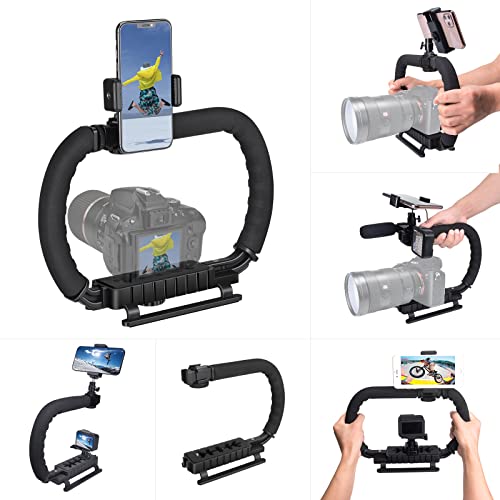
The Moviemaking Holder Rig YouTube Tiktok is a non-motorized, mechanical camera cage designed for handheld phone and camera stabilization. Featuring three cold-shoe mounts and broad compatibility across GoPros, smartphones, and entry-level DSLRs, this setup suits beginner hobbyists seeking a purely manual grip rig that requires zero batteries, balancing, or electronic setup.
Built-in Tripod

The Built-in Tripod option highlights the DJI Osmo Mobile 7 smartphone gimbal, offering 3-axis stabilization, ActiveTrack automated subject tracking, ShotGuides, a built-in tripod, and 10 hours of operating battery life with smartphone charging. Mobile creators who prefer shooting entirely on high-end smartphones rather than mirrorless cameras will find this device far more practical than a full-size camera gimbal, much like creators comparing ultra-compact video gear like the pocket 4 pro line.
Final Verdict
The DJI RS 4 Combo is an exceptionally capable stabilization bundle that delivers significant practical value for mirrorless videographers who want total operational control out of the box. The pairing of low-friction Teflon-coated balancing arms, extended tilt clearance, and native vertical mounting makes configuring modern camera packages faster and more forgiving than previous stabilizer generations.
If your production workflow benefits from tactile manual focus pulling and extended low-angle camera movements, buying the complete combo package saves you the logistical hassle of sourcing accessories individually. It establishes a balanced, reliable production foundation that easily handles the demands of daily commercial video work.
FAQ
What is the difference between the standard RS 4 and the RS 4 Combo?
The standard stabilizer package includes the motorized gimbal, the BG21 battery handle, quick-release baseplates, and the mini extended grip tripod. The combo package adds the DJI Focus Pro Motor for physical lens control and the dedicated Briefcase Handle for low-angle shooting.
Does switching to vertical shooting require rebalancing the gimbal?
Yes. Although switching to 2nd-gen native vertical shooting simply requires releasing the horizontal plate and mounting it vertically, moving the camera ninety degrees changes the rig center of gravity. You must perform a quick axis balance check before powering the motors back on.
Can the DJI RS 4 Combo handle full-frame mirrorless cameras?
Yes. The stabilizer is engineered with a 3 kg (6.6 lbs) maximum payload capacity and an extended tilt axis, accommodating standard full-frame mirrorless bodies from brands like Sony, Canon, Nikon, and Fujifilm paired with mainstream zoom and prime lenses.
Why is the DJI Ronin app not showing up in Google Play?
Due to platform compatibility issues, the DJI Ronin app has been removed from the Google Play store. Android users must visit the official DJI website using their mobile browser to download and install the software package directly for initial device activation.
Does the included BG21 battery grip charge external camera bodies?
No, the included BG21 battery grip does not support external power pass-through to camera bodies. If you need your gimbal handle to output power to your camera, you must upgrade to the optional BG70 high-capacity battery grip, which features an 18-watt USB-C charging port.