
As Amazon Associates, we earn from qualifying purchases. This means we may receive a small commission at no extra cost to you if you click through and make a purchase.
The Antigravity A1 is a specialized 360-degree aerial capture system combining ultra-high-resolution imaging with first-person motion piloting. By integrating an 8K omnidirectional camera with intuitive point-to-fly controls, it eliminates the traditional stress of lining up the perfect camera angle during high-speed maneuvers. Our verdict is that the Antigravity A1 delivers a genuine leap in usability for aerial creators by capturing the entire sky at once and leaving framing decisions for post-flight editing.
This quadcopter is best suited for solo content creators, action videographers, and casual flyers who want cinematic panoramic views without mastering complex dual-stick camera operation. In this detailed antigravity a1 review, we examine how the hardware performs for everyday flying. Pilots seeking a traditional single-angle zoom lens or rigid broadcast camera workflows will likely prefer standard camera drones, but anyone wanting comprehensive spherical footage will find an exceptionally capable platform here.



Antigravity A1 at a Glance

| Feature | Specification |
|---|---|
| Video Capture Resolution | 8K 360 Video |
| Effective Still Resolution | 55 MP |
| Takeoff Weight | 249 g (with Standard Battery) |
| Maximum Flight Time | 39 Minutes (with High-Capacity Battery) |
| Obstacle Sensing | Omnidirectional (360 sensing with front and downward binocular vision) |
| Control System | Grip Motion Controller (FreeMotion Mode and FPV Mode) |
| Goggles Display | Dual 1-inch Micro-OLEDs, Pancake optics, 90° FOV, 340g |
| Wireless Transmission Range | Up to 10 km |
| Connectivity | Wi-Fi, Bluetooth, RF |
| Standard Battery Capacity | 2360 mAh Lithium Ion |
8K 360 Video Capture and Framing Capabilities
The primary attraction of the platform is the antigravity a1 8k camera, which captures complete spherical video with invisible stitching powered by Insta360 technology. Traditional drones require the pilot to manage flight trajectories and camera pan angles simultaneously, which often leads to missed shots during fast-moving action. With the A1, the twin CMOS sensors record every angle at once, producing crisp 8K panoramic footage alongside 55 MP still images that give editors tremendous cropping latitude in post-production.
This hardware arrangement unlocks a shoot-first, frame-later methodology that transforms aerial cinematography. If your subject darts unexpectedly out of frame, you simply adjust the camera perspective inside the companion software after landing. The Auto Editing 2.0 system inside the Antigravity app automatically identifies key action points, applies dynamic sweeping maneuvers, and syncs edits to background music. Reviewing and rendering high-resolution spherical clips functions smoothly when paired with modern computing hardware like the samsung galaxy book, allowing rapid exports directly to social platforms.
Capturing 360-degree footage also removes the standard drone limitation of blind spots during flight recordings. Because the quadcopter body is engineered to disappear between the dual optical lenses, forward, rearward, upward, and ground-facing perspectives remain unobstructed. For creators who produce dynamic action sequences or travel montages, having a single flight yield multiple distinct camera perspectives saves battery power and reduces setup time in the field.
Vision Goggles and Immersive Flight Experience
Immersion is driven by the included antigravity a1 vision goggles, which feature dual 1-inch Micro-OLED displays coupled with advanced Pancake optical elements. The headset delivers an expansive 90-degree field of view, providing a visual area roughly 66 percent wider than standard entry-level flight goggles. Weighing just 340 grams, the goggles sit comfortably on the face during extended sessions and incorporate integrated diopter adjustments so pilots can achieve sharp focus without wearing prescription glasses.
The goggles display clear telemetry alongside the live video feed, helping pilots track orientation and battery capacity effortlessly. For recreational flying, the system introduces interactive environments such as Virtual Cockpit and Sky Path, which project fantasy elements like spaceships directly into the pilot visor. This creates an engaging, game-like flying experience that bridges the gap between serious video tools and entertaining FPV flying.
Viewing expansive aerial footage through Micro-OLED optics offers visual clarity comparable to high-end home entertainment displays such as the sony quad theater, emphasizing rich contrast and vivid outdoor color reproduction. The low-latency digital video link maintains visual fidelity across varying flight distances, giving pilots confidence as they guide the aircraft around trees, architectural structures, and outdoor terrain.
Flight Controls, Automation, and Obstacle Avoidance
Navigating the quadcopter is handled through the ergonomic Grip Motion Controller, which translates natural wrist movements into flight commands. Beginners can activate FreeMotion Mode for effortless point-to-fly navigation, directing the aircraft simply by pointing the controller in the desired direction. Experienced operators can switch over to standard FPV Mode for classic wrist-guided agility when negotiating narrower corridors.
Safety is anchored by the antigravity a1 obstacle avoidance array. The drone uses an omnidirectional system combining 360-degree environmental sensing with front-facing and downward binocular vision cameras. This network actively scans for hazards in all directions, helping prevent accidental collisions during high-speed tracking or automated maneuvers. When wireless contact drops or the battery reaches critical levels, the integrated Smart Return-to-Home feature automatically guides the drone back to its takeoff coordinates.
Autonomous flight routines further simplify creative filmmaking for solo pilots. With the Sky Genie feature, complex cinematic maneuvers like arc shots and spiral ascents can be executed with a single tap. The onboard Deep Track algorithm automatically identifies and centers human or vehicle subjects, ensuring smooth tracking shots while the pilot monitors airspace safety through the goggles.
Weight Class, Battery Endurance, and Portability
Portability is a key consideration in the antigravity a1 specs. When outfitted with the standard 2360 mAh lithium-ion battery, the drone weighs exactly 249 grams. This puts the aircraft in the ultra-lightweight tier, allowing recreational pilots to bypass many burdensome registration hurdles and strict airspace restrictions common to heavier consumer drones. Measuring 12.14 inches long by 15 inches wide and 3.51 inches high, the airframe fits neatly inside the included A1 Drone Carry Case alongside the goggles and controller.
Endurance varies depending on your operational goals. While the standard lightweight battery keeps takeoff weight below regulatory limits, pilots needing extended airtime can install the optional High-Capacity Battery to achieve up to 39 minutes of uninterrupted antigravity a1 flight time. This dual-battery design gives operators the freedom to prioritize regulatory compliance or maximum airtime depending on the location.
The wireless transmission system operates across Wi-Fi, Bluetooth, and RF bands, achieving a maximum line-of-sight range of up to 10 kilometers. This robust signal architecture ensures dependable video transmission to the Vision Goggles even in RF-dense suburban environments. The Standard Bundle package provides everything required to fly immediately, including the drone, Vision Goggles, Grip Motion Controller, one flight battery, four spare propellers, and the protective carry case.
Antigravity A1 vs DJI Mini: Design and Usability Comparison
Comparing the antigravity a1 vs dji mini reveals contrasting philosophies in drone design and pilot interaction. Traditional compact platforms like the DJI Mini series feature a front-mounted camera stabilized on a mechanical 3-axis gimbal. This layout requires the operator to look forward on a flat smartphone screen while steering the aircraft and angling the lens, which demands steady hand coordination to maintain a smooth cinematic line.
By contrast, the Antigravity A1 utilizes a fixed spherical camera and first-person motion goggles, changing how aerial footage is captured. Instead of worrying about camera tilt while banking through a turn, the A1 captures a complete 360-degree sphere that can be panned, zoomed, or flipped in editing. While traditional heavy-lift platforms like the dji mavic 5 pro cater to professional commercial sets with dedicated telephoto lenses, the A1 prioritizes total creative freedom and flying enjoyment for personal content production.
Pilots who want instant, ready-to-use rectangular video straight from an SD card may find the A1 reframing workflow an extra step. However, those who value dramatic dynamic angles, immersive FPV flight, and foolproof framing will appreciate the A1 spherical coverage, which guarantees you never miss action occurring behind or below the aircraft.
Antigravity A1 Pros and Cons
Pros
- Omnidirectional 8K 360 video capture
- Under 249g with standard battery
- Up to 39-minute flight time
- Pancake optic Micro-OLED vision goggles
- Point-to-fly motion controller navigation
- Omnidirectional obstacle avoidance system
Cons
- High-capacity battery exceeds 249g category
- Requires app reframing for flat video
- Lacks standalone physical remote display
Check Antigravity A1 on Amazon
Who Should Buy the Antigravity A1
Buy It If
- You want complete 360-degree video capture that eliminates the risk of missing action mid-flight.
- You prefer intuitive point-to-fly motion controls rather than mastering complex dual-stick transmitters.
- You want an immersive Micro-OLED goggle setup with built-in diopter adjustments for glasses-free flight.
- You need a sub-249g drone with standard batteries to minimize registration requirements.
Skip It If
- You prefer standard rectangular video straight out of the camera without app-based reframing.
- You require a physical remote controller with an integrated high-brightness touchscreen display.
- You strictly shoot long-range telephoto landscape photography requiring adjustable optical zoom lenses.
Antigravity A1 Alternatives Worth a Look
If you are exploring the wider quadcopter market, several alternative options offer different balance points between camera styles, pilot controls, and flight accessories.
2K HD FPV Drone

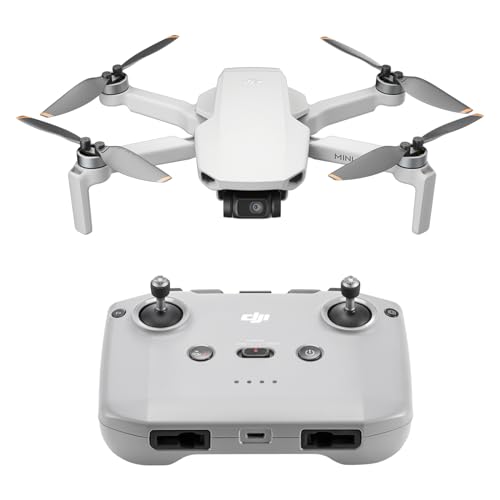
The 2K HD FPV Drone is a lightweight, foldable quadcopter featuring altitude hold, one-key takeoff and landing, three selectable speed modes, and headless mode navigation. Packaged with two batteries for extended flying, it is aimed directly at beginners and younger flyers looking for a simple, accessible aerial camera platform.
3-Axis Gimbal

The 3-Axis Gimbal drone platform provides 4K UHD video capture on an aircraft weighing under 249 grams. Featuring auto return, robust wind resistance, a 31-minute flight time, and a 10km video transmission link, this option suits pilots who want stabilized, forward-facing video without managing spherical reframing workflows.
DJI Mini 4K Camera Drone
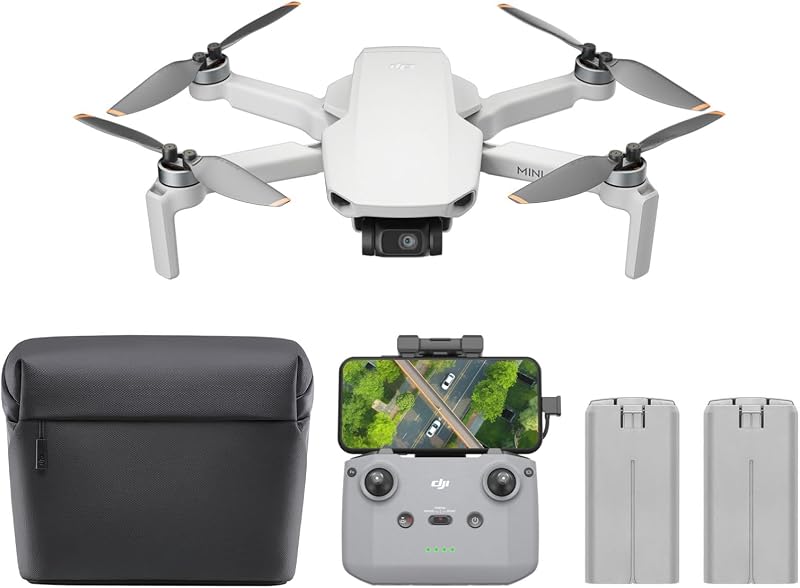
The DJI Mini 4K Camera Drone bundle includes a 4K UHD camera stabilized by a 3-axis mechanical gimbal, automated QuickShots flight modes, and a 10km transmission range. With two included flight batteries delivering up to 62 minutes of combined flight time in a sub-249g package, it is ideal for creators who want traditional framing in an ultra-portable footprint.
Final Verdict
The Antigravity A1 successfully solves the hardest part of consumer drone videography: coordinating smooth flight paths while keeping the camera locked onto your subject. By capturing an uninterrupted 8K spherical field of view, the aircraft allows you to focus entirely on flight safety and creative exploration, trusting the software to extract dramatic angles afterward. The combination of lightweight Micro-OLED goggles, intuitive motion steering, and omnidirectional obstacle sensing makes it an inviting platform for beginners.
When considering whether the antigravity a1 is worth it, the answer depends on how you approach video production. Pilots who dislike reframing software might lean toward traditional fixed-gimbal camera drones. However, for content creators, adventurers, and tech enthusiasts seeking an immersive aerial experience with limitless framing options, the Antigravity A1 stands out as an exceptionally capable and fun 360 flying camera.
FAQ
Does the Antigravity A1 stay under the 249-gram registration limit?
Yes, when flown with the included Standard Battery, the Antigravity A1 has an official takeoff weight of 249 grams, placing it within the lightweight category that avoids registration hurdles in many jurisdictions. Installing the optional High-Capacity Battery will increase the overall weight beyond 249 grams.
What is the maximum flight time of the Antigravity A1?
The drone achieves up to 39 minutes of flight time when equipped with the optional High-Capacity Battery. The standard 2360 mAh battery included in the Standard Bundle prioritizes maintaining the sub-249g weight class for regulatory convenience.
How does the fly first, frame later system work?
Because the dual CMOS sensors capture everything happening around the drone in full 8K 360-degree video, the pilot does not need to aim a camera gimbal during flight. After landing, you use the Antigravity mobile app to pan, tilt, zoom, and select specific camera angles from the recorded spherical footage.
What components are included in the Antigravity A1 Standard Bundle?
The Standard Bundle includes one Antigravity A1 drone, one pair of Vision Goggles, one Grip Motion Controller, one standard flight battery, one custom A1 Drone Carry Case, and four spare propellers.
How does the obstacle avoidance system protect the aircraft?
The A1 employs an omnidirectional obstacle avoidance system that fuses 360-degree environmental sensing with front-facing and downward-facing binocular vision cameras. This array detects physical obstacles from all angles to prevent crashes during manual flight and autonomous tracking maneuvers.


