
As Amazon Associates, we earn from qualifying purchases. This means we may receive a small commission at no extra cost to you if you click through and make a purchase.
The Specta Mini 4K is an ultra-lightweight aerial camera platform designed to capture stabilized high-resolution video without burdening pilots with federal registration requirements. Featuring a true mechanical 3-axis stabilization system, dual flight packs, and an advertised control range extending up to 32,800 feet, this compact aircraft delivers dependable 4K aerial recording for hobbyists seeking reliable performance straight out of the box.
This quadcopter is tailored for first-time flyers, outdoor explorers, and traveling content creators who need smooth video footage without navigating complicated licensing procedures or steep learning curves. However, professional cinematographers who require high-bitrate log color profiles, automated obstacle avoidance sensors, or specialized cinema accessories will want to consider higher-tier commercial platforms instead.


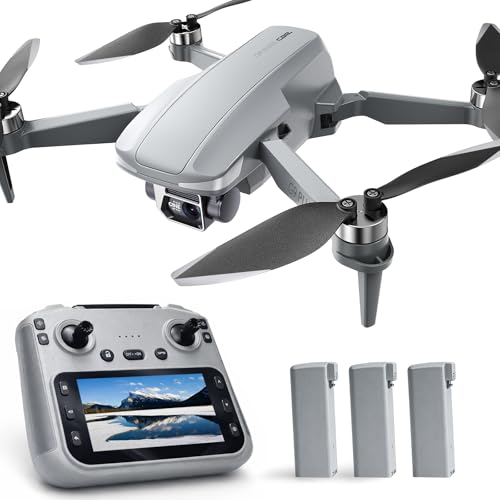

Specta Mini 4K at a Glance

| Attribute | Detail |
|---|---|
| Takeoff Weight | Below 249 grams (no FAA or Remote ID registration required) |
| Video Resolution | 4K Ultra HD at 30 frames per second |
| Stabilization Hardware | 3-axis motorized mechanical gimbal |
| Flight Endurance | Up to 62 minutes total (using two included batteries) |
| Maximum Transmission Range | Up to 32,800 feet (10 kilometers) FPV transmission |
| Flight Assistance Systems | GPS Return-to-Home and one-button takeoff and landing |
| Target Audience | Kid, Teen, and Adult beginner pilots |
| Included Package Contents | Specta Mini Drone combo with two flight batteries |
Camera Quality and 3-Axis Gimbal Performance
The primary attraction of this platform is the integration of a motorized 3-axis mechanical gimbal beneath an ultra-compact airframe. In beginner aerial photography, mechanical stabilization is the dividing line between amateurish, jittery clips and smooth footage. While software-based electronic image stabilization crops the field of view and frequently struggles with rapid wind buffeting, a motorized gimbal physically counteracts pitch, roll, and yaw movements in real time. This mechanical isolation ensures that your horizon remains level and fluid even when the quadcopter tilts aggressively during sudden maneuvering or breezy outdoor flights.
When assessing overall specta mini camera quality, recording at 4K resolution at 30 frames per second gives creators a noticeable clarity advantage over standard 1080p or 2.7K alternatives. Crisp video resolution allows landscape details, water reflections, and forest canopies to retain crisp separation without turning into pixelated compression blocks. While the listing does not specify detailed camera metrics such as optical sensor dimensions, aperture ratings, or custom color profile support, the standard 4K output provides ample resolution for personal travel reels, family archives, and social video sharing. Pilots upgrading from entry-level quadcopters often compare these capabilities to established models like dji mini drones, where mechanical camera stabilization forms the foundation of usable aerial imagery.
The camera system is specifically tuned for everyday clarity, making it easy to capture expansive scenic views without extensive post-processing color grading. Because the camera operates in tandem with automated stabilization, beginner pilots can focus primarily on composition and safe steering rather than constantly tweaking gimbal tilt angles. The physical gimbal also protects video footage from motor vibration artifacts, preventing the rolling-shutter jelly distortion that often compromises budget camera drones during high-throttle climbs.
Flight Time and Battery Management
Airborne endurance is critical for any aerial videographer, as short battery life turns every creative flight into a rushed race against low-battery warnings. The manufacturer addresses this concern directly by supplying the combo package with two dedicated flight packs that combine to provide a maximum operating time of up to 62 minutes. On an individual basis, that equates to roughly 31 minutes of continuous airborne operation per pack under favorable conditions, providing sufficient overhead for exploring an area, staging landscape shots, and returning safely.
Achieving realistic specta mini 4k flight time involves understanding how environmental conditions influence power consumption. The listing does not specify individual milliamp-hour capacities, charging speeds, or exact wind resistance tolerances, but aggressive throttle usage and strong headwind resistance will naturally shorten flight durations. Having two modular packs ready in your field pack allows you to cycle batteries smoothly, leaving one to cool or recharge while you continue capturing aerial footage with the second unit. This operational rhythm closely mirrors the endurance routines common on platforms like the mavic mini 2, where swapping packs extends an afternoon shoot without tethering you to a stationary power outlet.
For beginner pilots, generous flight time per pack significantly reduces operational stress during early flights. Instead of feeling pressured to hurry through unfamiliar flight menus or rush essential orientation checks, users can hover steadily, practice delicate stick inputs, and test basic cinematic tracking movements at a calm pace. When battery reserves dip, having an ample power buffer ensures that automated recovery protocols have adequate energy to guide the aircraft safely back to its departure point.
Transmission Range and Flight Safety Systems
Maintaining a dependable video link between the airborne camera and the ground station is essential for reliable control. The aircraft boasts an extended first-person view transmission capability reaching up to 32,800 feet, which translates to roughly 10 kilometers of potential signal reach. While local aviation safety regulations require recreational pilots to keep their aircraft within visual line of sight at all times, a robust specta mini drone range provides strong signal penetration through mild signal interference, ensuring that your real-time video feed does not suffer from sudden visual dropouts or high control latency during normal line-of-sight flying.
To keep flights predictable and secure, the platform incorporates satellite-linked positioning paired with an intelligent GPS Return-to-Home failsafe. If the aircraft loses signal contact with the controller, experiences critical battery depletion, or encounters an emergency situation where the pilot presses the recall switch, the drone automatically charts a path back to its registered launch coordinates. Navigational systems like this bring peace of mind comparable to larger platforms like the drone 4k phantom, preventing unexpected flyaways that commonly plague non-GPS toy quadcopters.
Operational safety is further streamlined through automated one-button takeoff and landing routines. With a single press on the remote, the motors arm, spin up, and gently lift the aircraft into a stable low-altitude hover while it awaits pilot input. Landing operates in reverse, lowering the quadcopter steadily until it touches down and disarms automatically. This removes the trickiest aspects of beginner piloting, virtually eliminating rough takeoffs and bumpy manual landings on uneven turf.
Portability, Regulations, and Setup
Regulatory compliance is an essential consideration for anyone looking to fly a camera aircraft legally. The airframe weighs in strictly below the 249-gram threshold, placing it into a specialized category of ultralight consumer devices. In the United States and several other jurisdictions, recreational aircraft weighing less than 250 grams are exempt from mandatory FAA registration and Remote ID broadcast mandates for recreational operations. This design choice makes the platform exceptionally practical for travelers who want to unpack, launch, and capture footage without completing administrative forms before their first liftoff.
Portability extends well beyond regulatory paperwork into day-to-day transport. The compact form factor folds down neatly, slipping easily into standard backpacks, day packs, or travel cases alongside other camera gear. Enthusiasts who track sub-250g innovations on premium models like the mini 4 pro drone appreciate how a lightweight frame encourages spontaneous flights, whether hiking along coastal paths or attending family weekend gatherings.
Getting airborne requires minimal preparation, providing an accessible specta mini setup guide experience for novice owners. Basic pre-flight preparation consists of unfolding the motor arms, seating a fully charged flight battery into the airframe, and powering on the controller to acquire satellite lock. Allowing the onboard GPS to establish a solid home point fix before launching ensures that position-hold stability and automated return functions operate with absolute precision from your very first flight.
Specta Mini 4K Pros and Cons
Pros
- True 3-axis mechanical gimbal stabilization
- Sub-249g weight avoids FAA registration
- Long 32,800-foot video transmission range
- Includes two batteries for extended flying
- Reliable GPS Return-to-Home functionality
Cons
- Listing omits sensor size details
- No collision avoidance sensors mentioned
Check Specta Mini 4K on Amazon
Who Should Buy the Specta Mini 4K
Buy It If
- You want 4K video recording with a true 3-axis mechanical gimbal for smooth video.
- You need an ultralight drone under 249 grams to bypass recreational FAA registration requirements.
- You value extended outdoor flight sessions supported by the included two-battery bundle.
- You are a beginner seeking safety systems like GPS Return-to-Home and one-button takeoff.
Skip It If
- You require professional obstacle avoidance sensors for automated navigation through dense tree cover.
- You need advanced broadcast-level video bitrates, flat color profiles, or interchangeable lens filters.
- You are looking for an indoor toy quadcopter intended exclusively for stunts and flips.
Specta Mini 4K Alternatives Worth a Look
If your aerial photography requirements or intended flight environments call for different hardware configurations, several competing options on the market offer alternative feature balances.
2K HD FPV Drone

The 2K HD FPV Drone is a lightweight folding quadcopter equipped with a 2K HD camera, altitude hold, headless mode, and three selectable speed modes. It includes two batteries and is targeted heavily toward teen beginners who want basic aerial practice. Shoppers who do not require true 4K resolution or mechanical gimbal stabilization can choose this model for simple casual flying and lower-stress backyard practice.
GPS Drone with EIS 4K

The GPS Drone with EIS 4K features an electronic image stabilization 4K camera, an integrated 4.5-inch HD display built directly into the remote controller, and three flight batteries offering up to 90 minutes of total operation. It also provides specialized autonomous flight tracking including Follow Me and Circle Fly modes. This is an appealing alternative for pilots who prefer an all-in-one controller screen without mounting their personal smartphone, along with hands-free subject-tracking flight features.
Drone with 1080P Camera

The Drone with 1080P Camera is a beginner-focused folding quadcopter offering interactive features like voice control, gesture selfie capture, altitude hold, and pre-programmed 3D aerial flips. It comes packed with two batteries and focuses primarily on toy-style indoor and outdoor entertainment. Beginners looking for an interactive learning platform who care more about performing aerial stunts than shooting cinematic landscape footage will find this model a suitable option.
Final Verdict
The Specta Mini 4K establishes a strong balance between entry-level accessibility and genuine aerial photography hardware. By pairing an under-249g airframe with a true 3-axis motorized mechanical gimbal, it solves the most common limitation of beginner drones: shaky, wind-buffeted video. The inclusion of two flight packs delivering up to 62 minutes of combined flight endurance, coupled with dependable GPS Return-to-Home functionality and extended transmission range, ensures that new pilots can explore their surroundings with minimal anxiety.
While the listing does not specify advanced cinematography features such as obstacle avoidance sensors or manual camera sensor calibrations, the core flight and recording package is exceptionally well-aligned with its intended user base. If you are searching for an uncomplicated, highly portable camera drone that captures clear 4K video without regulatory red tape, this dual-battery setup delivers substantial utility and reliable aerial performance.
FAQ
Does the Specta Mini 4K require FAA registration before flying?
No, the Specta Mini 4K weighs below 249 grams, which places it under the recreational registration threshold set by the FAA and eliminates the need for Remote ID compliance when flown purely for hobbyist purposes in the United States.
How does the 3-axis gimbal improve video over electronic stabilization?
A mechanical 3-axis gimbal uses motorized counter-movements to physically stabilize the camera along pitch, roll, and yaw axes. This keeps the camera horizon level and isolates the lens from wind buffeting and motor vibrations, avoiding the image cropping and digital distortion common to basic electronic stabilization.
What is the actual flight time per battery on the Specta Mini 4K?
The combo package provides up to 62 minutes of total flight time across two included batteries. This equates to approximately 31 minutes per battery under calm, ideal operating conditions, though aggressive flying and wind resistance may reduce that duration.
How does the GPS Return-to-Home feature work?
The onboard GPS records the drone’s takeoff coordinates before launch. If the connection between the controller and drone is lost, if the battery reaches a critically low level, or if the pilot presses the Return-to-Home button, the aircraft automatically navigates back to the launch spot and lands safely.
Can the Specta Mini 4K be flown safely by younger teens?
Yes, the manufacturer specifies the target age group as kids, teens, and adults. Features such as one-button takeoff, automatic landing, and GPS hovering make flight controls straightforward and manageable for novice operators under proper supervision.


