As Amazon Associates, we earn from qualifying purchases. This means we may receive a small commission at no extra cost to you if you click through and make a purchase.
Stepping up from an entry-level camera or a smartphone to a dedicated full-frame system often feels like crossing an intimidating boundary. The Sony a7 III represents one of the most balanced entry points into serious photography and hybrid video creation, packaging high-end imaging capability into an accessible mirrorless body. Combining a back-illuminated sensor, dependable continuous tracking, and dual-purpose video shooting, this body proves that you do not need the newest flagship release to produce professional-grade visuals for client work or personal passion projects.
This camera suits enthusiasts, working event creators, and portrait shooters who require dependable subject tracking and strong low-light performance without carrying excessive weight. However, casual hobbyists looking for a simplified point-and-shoot interface or creators who want a fully articulating front-facing screen for solo vlogging may want to examine different form factors before investing in an interchangeable-lens ecosystem.



Sony a7 III at a Glance

| Feature | Specification |
|---|---|
| Sensor Type | 24.2MP Exmor R CMOS 35mm full frame (35.6 x 23.8mm) |
| Lens Mount | Sony FE mount |
| Autofocus Points | 693 phase-detection / 425 contrast-detection points |
| Autofocus Frame Coverage | 93% image coverage |
| ISO Sensitivity Range | ISO 50 to 204,800 (expanded minimum 50) |
| Dynamic Range | 15 stops |
| Continuous Shooting Speed | Up to 10fps (mechanical or silent shutter) |
| Image Stabilization | Optical built-in stabilization |
| Shutter Speed Range | 1/8000 to 30 seconds |
| Included Battery | Rechargeable Battery NP-FZ100 |
Image Quality and Dynamic Range
At the center of the camera is the 24.2-megapixel back-illuminated Exmor R CMOS sensor, designed to maximize light collection across a generous 35mm surface area. For shooters evaluating the sony a7 3 full frame sensor, the physical size advantage provides distinct depth-of-field control and crisp background separation that smaller crop-sensor bodies cannot reproduce at equivalent focal lengths. The 1.8x readout speed assists the imaging pipeline in capturing 14-bit uncompressed RAW files, ensuring that fine textures in clothing, landscape foliage, and skin tones remain authentic and malleable during post-production editing.
Exposure latitude is a major factor in high-contrast scenes, and the sony a7 3 dynamic range reaches up to 15 stops. This range gives landscape and real estate shooters tremendous leeway to recover highlight detail in blown skies while lifting deep shadows from unlit foregrounds without introducing destructive chroma noise. When shooting portraits in harsh midday sun, the camera retains smooth gradations from illuminated cheekbones into natural shadow areas, preventing sudden clipping.
For those capturing motion picture clips alongside still photographs, the body features 4K HDR movie recording capabilities with full-frame readout. While dedicated cinema bodies like the Sony a7S III lean entirely into specialized video workflows, this mirrorless body retains an impressive balance for hybrid shooters who want high-resolution stills in the morning and sharp 4K b-roll in the afternoon without switching equipment.
Autofocus Performance and Tracking
One of the strongest arguments for this camera body is the sony a7 3 autofocus system, which borrows advanced tracking architecture from Sony’s high-end sports bodies. Equipped with a 693-point hybrid AF system covering approximately 93 percent of the image area, the camera tracks moving subjects all the way to the edges of the composition. With 693 phase-detection points paired alongside 425 contrast-detection points, acquisition is nearly instantaneous when locking onto pets, athletes, or running children.
The autofocus tracking operates reliably during high-speed action, maintaining accurate focus while firing bursts at up to 10 frames per second using either the mechanical shutter or the silent electronic shutter. This makes the camera exceptionally capable for quiet environments such as acoustic performances, golf swings, or discreet ceremony coverage where clicking shutter noises would cause a distraction. The comprehensive frame coverage also frees photographers from the antiquated focus-and-recompose method, allowing creative framing anywhere in the frame.
When considering the sony a7 3 for portraits, the eye-tracking and face-priority algorithms deliver remarkable consistency. The system locks directly onto the subject’s pupil and holds focus even when the model turns away momentarily, wears glasses, or moves through backlighting. Pairing this focus precision with modern portrait primes or an ultra-wide zoom like the Tamron 17-28mm f2.8 Sony E-mount gives creators total confidence that their subject’s eyes will remain critically sharp across broad apertures.
Low-Light Capability and ISO Range
Low-light shooting is where full-frame mirrorless gear justifies its size, and the sony a7 3 low light capabilities remain a benchmark for everyday usability. The back-illuminated sensor structure places light-gathering wiring behind the photodiodes, allowing a greater amount of photons to reach the pixel wells. Combined with native sensitivity reaching up to ISO 204,800 and an expanded minimum of ISO 50, you can keep shooting well past golden hour into dim interiors without introducing aggressive grain.
To further bolster shooting in difficult lighting, the body incorporates built-in optical image stabilization. This internal mechanism compensates for handheld camera shake across multiple axes, allowing photographers to shoot sharp stills at shutter speeds slower than standard hand-holding rules dictate. For wedding receptions, concert halls, or twilight street strolls, this stabilization minimizes the need to carry bulky tripods or mount cumbersome flashes.
The exposure control modes cater to any photographic approach, offering Program (P), Aperture Priority (A), Shutter Priority (S), Manual (M), and Intelligent Auto (iAuto). Whether locking the shutter at 1/8000 second to freeze outdoor sports or setting a 30-second exposure for night cityscapes, the sensor maintains clean noise profiles that streamline your editing workflow.
Handling, Battery Life, and Kit Versatility
Reliable battery performance was historically a challenge for early mirrorless systems, but the sony a7 3 battery life changes that equation completely through the included NP-FZ100 rechargeable battery. This pack delivers substantial shooting endurance, allowing photographers to capture extensive event coverage or lengthy video sessions on a single charge without constantly swapping spares. The camera charges via an included micro USB cable and AC adapter, keeping packing requirements light when traveling.
The physical body combines a lightweight form factor with tactile control dials, a dedicated rear joystick for focus point selection, and a 3-inch LCD monitor. While newer iterations like the Sony Alpha 7 IV offer updated menu structures, the custom buttons on this body allow shooters to assign their most-used functions to dedicated keys, bypassing the multi-tab digital menu system during active assignments.
For buyers selecting the packaged bundle, the included sony a7 3 28-70mm lens provides an accessible gateway into standard zoom photography. Offering an aperture range beginning at f/3.5, this compact optic covers wide-angle landscapes at 28mm through natural portrait compression at 70mm. It ships complete with a dedicated lens hood, front cap, and rear cap, ensuring immediate out-of-the-box readiness before you expand into specialized prime lenses.
Sony a7 III Pros and Cons
Pros
- 2MP back-illuminated full-frame sensor
- 693-point hybrid autofocus with 93% coverage
- Up to 10fps continuous shooting
- Built-in optical image stabilization
- Broad ISO range up to 204800
- Long battery life with NP-FZ100 pack
Cons
- Bundled lens has variable f/3.5 maximum aperture
- Included charging cable uses micro USB standard
- Menu interface requires time to learn
Who Should Buy the Sony a7 III
Buy It If
- You want a full-frame sensor that excels in low-light environments with broad dynamic range for RAW editing.
- You need fast continuous tracking with 693 autofocus points to capture sports, wildlife, or energetic family moments.
- You want long operating sessions powered by the reliable NP-FZ100 rechargeable battery pack.
- You are building an adaptable kit around the versatile Sony FE lens ecosystem.
Skip It If
- You want an ultralight point-and-shoot camera that slips effortlessly into a jacket pocket.
- You primarily record handheld self-facing video and need a fully articulating flip-around front screen.
- You prefer a simple, streamlined menu interface without deep technical customization settings.
Sony a7 III Alternatives Worth a Look
While the full-frame mirrorless design fits intermediate and working creators, other form factors cater to casual family holidays or dedicated content creation bundles.
1080p Full HD Video

The 1080p Full HD Video is a compact point-and-shoot camera featuring a 16MP sensor, 5x optical zoom, a 28mm wide-angle lens, and a 2.7-inch LCD screen. Everyday travelers who want basic optical zoom in a pocket-friendly body without managing interchangeable lenses will appreciate its straightforward simplicity over a heavy full-frame setup.
iT20 S TTL Mini Flash

The iT20 S TTL Mini Flash package pairs a Sony ZV-1 II digital camera with an extensive 11-item bundle including an extra battery, charger, 64GB card, and camera bag. Vloggers and travel creators seeking an all-in-one vlogging rig with portable lighting tools ready to deploy out of the box should choose this over a standalone photography body.
Compact camera with anti-shake

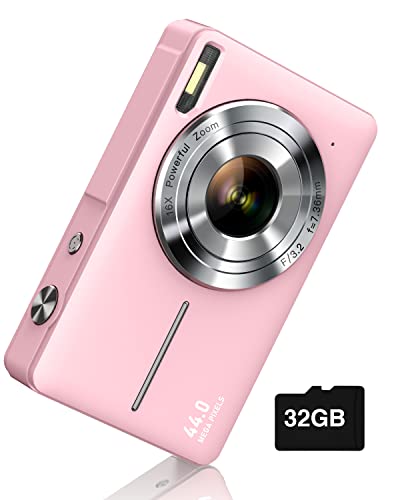
The Compact camera with anti-shake provides 1080p video recording, 16x zoom, two included batteries, and a 32GB card in a lightweight, kid-friendly pink shell. Parents shopping for a basic, low-maintenance gift camera for family trips or young children will find this far more suitable than an advanced interchangeable-lens tool.
Final Verdict
When asking is sony a7 3 worth it for everyday creative work, the camera answers with remarkable capability across all foundational disciplines. Its 24.2MP back-illuminated sensor, wide 15-stop dynamic range, built-in optical image stabilization, and 693-point hybrid autofocus deliver professional image fidelity across demanding portrait sessions, fast indoor sports, and twilight landscapes.
While newer bodies bring faster processors and higher megapixel counts, the overall balance found in this package remains exceptionally difficult to beat for the price. If you want a dependable hybrid workhorse that grants access to the expansive Sony FE mount ecosystem, this camera provides all the performance you need to elevate your visual storytelling.
FAQ
Does the Sony a7 III include built-in image stabilization?
Yes, the camera features internal optical image stabilization that helps counter physical movement when shooting handheld at slower shutter speeds.
What type of memory card and battery does it use?
The camera is powered by the included Sony NP-FZ100 rechargeable battery, and the listing includes a micro USB cable and AC adapter for power management.
Can the camera shoot video in 4K resolution?
Yes, the listing details confirm that the body supports 4K HDR movie recording capabilities with full-frame readout.
What lenses work with this camera?
The camera uses the Sony FE mount, making it compatible with full-frame Sony FE lenses as well as the included 28-70mm f/3.5 zoom lens.
How fast can the camera shoot continuous action?
It can shoot up to 10 frames per second using either its silent electronic shutter or its physical mechanical shutter while maintaining autofocus tracking.