
As Amazon Associates, we earn from qualifying purchases. This means we may receive a small commission at no extra cost to you if you click through and make a purchase.
The Olympus Trip 35 is a classic 35mm film camera originally crafted in the 1960s to deliver dependable, point-and-shoot snapshot photography without requiring any battery power. In an era dominated by electronic devices and complex digital menus, this vintage workhorse stands out by relying purely on mechanical engineering and an ambient light meter to manage daylight exposures automatically. For photographers who want an authentic analog experience without the headache of charging batteries or deciphering manual exposure charts, this restored edition from Analogue Amsterdam offers a ready-to-shoot entry point into traditional film photography.
This camera suits everyday documentary shooters, travelers, and beginners who appreciate straightforward mechanics, tactile controls, and pocketable convenience. If you want an uncomplicated creative tool for casual walks and well-lit gatherings, it delivers dependable results with minimum fuss. However, photographers who plan to shoot primarily indoors under dim light, those who require rapid burst shooting, or creators looking for modern perks like weather sealing will want to look elsewhere.



Olympus Trip 35 at a Glance

| Specification | Detail |
|---|---|
| Brand | analogue |
| Manufacturer | Analogue Amsterdam |
| Model Series | Trip 35 |
| Film Format | 35mm |
| Exposure Control | Automatic |
| Aspect Ratio | 1.50:1 |
| Power Source | Battery-free light meter |
| Water Resistance | Not Water Resistant |
| Special Feature | Lightweight |
| Included Components | Camera Body Only |
| Warranty Coverage | Thoroughly tested with a 2-month guarantee |
Exposure Automation and the Battery-Free Meter
The centerpiece of the Olympus Trip 35 design is its completely battery-free operation. Instead of depending on alkaline cells, lithium batteries, or button batteries that can leak and corrode vintage battery compartments over decades of storage, the camera uses a self-generating light meter built directly into the front surround. This ambient light meter generates its own minute electrical charge when exposed to daylight, providing all the energy necessary for the internal mechanical galvanometer to determine the appropriate exposure. As a result, you never have to remember to recharge the camera, carry spares, or worry that a dead battery will ruin a spontaneous photo walk.
When you set the camera to its automatic setting, the internal mechanism evaluates the scene and selects the appropriate combination of aperture and shutter speed automatically. This automated behavior makes the olympus trip 35 for beginners an exceptionally approachable tool, removing the steep learning curve traditionally associated with fully manual vintage mechanical cameras. The system handles standard daytime lighting effortlessly, ensuring your roll of 35mm film receives sufficient exposure without requiring a handheld light meter or mental exposure calculations.
Compared to later electronic compacts like the motorized olympus stylus camera, which relies entirely on specialized batteries to power autofocus motors, automatic winders, and built-in flash units, the Trip 35 remains purely mechanical. The shutter fires with a quiet, satisfying click, and the film advances via an intuitive manual thumb wheel. While the absence of internal electronics limits automated low-light versatility, it grants this body a degree of mechanical longevity that modern battery-dependent cameras struggle to match over decades of regular use.
Lens Characteristics and Everyday Street Photography
The Olympus Trip 35 features a fixed-focus optical design engineered specifically for reliable snapshot fidelity. Fixed-focus optics are calibrated to take advantage of natural depth of field, keeping subjects from a moderate distance through infinity acceptably sharp when shooting in daylight. This approach eliminates the autofocus lag found in early electronic point-and-shoot cameras, allowing you to react quickly when an interesting composition appears in front of you. You simply frame your subject through the optical viewfinder and depress the shutter button to capture the moment.
Because of this immediacy, the camera has long enjoyed an enduring reputation for candid street work. Practitioners of olympus trip 35 street photography benefit from the near-silent operation of the leaf shutter, which produces minimal acoustic presence compared to the loud mirror slap of a traditional single-lens reflex camera. Pedestrians rarely notice when a photograph is taken, making it easy to capture natural, unposed scenes in public markets, busy transit stations, and city streets.
Frames captured on the Olympus Trip 35 adhere to the traditional 1.50:1 aspect ratio native to 35mm photography. This standard framing gives everyday scenes an authentic, cinematic character that distinguishes real film negatives from digital smartphone filters. Because the lens is engineered to deliver crisp, well-lit snapshots, street scenes showcase natural contrast and realistic tonal gradations, producing distinct vintage rendering across diverse film stocks.
Build Quality, Custom Leather, and Handling
Originally engineered in the 1960s, the Olympus Trip 35 reflects the robust metal construction typical of mid-century Japanese industrial manufacturing. Unlike contemporary compact cameras made predominantly of plastic shells, this body utilizes a rigid metal chassis that provides reassuring balance in the hand while maintaining a lightweight profile suitable for all-day carry. The compact footprint slips easily into a coat pocket, tote bag, or small daypack, fulfilling its design purpose as a travel companion.
This specific listing from Analogue Amsterdam offers a distinctive visual upgrade over standard vintage models. Part of a custom limited edition series, the body replaces standard aged black plastic accents with fresh, high-grade leather wrap. This custom leather covering not only elevates the camera tactile grip but also provides a tailored aesthetic that modernizes the vintage exterior. Photographers who appreciate retro styling reminiscent of premium mechanical rangefinders like the olympus pen f will find the hand-finished leather construction visually compelling and comfortable to hold.
Prospective buyers must note that the listing provides the camera body only, without supplementary straps, protective cases, or lens accessories included. Furthermore, the listing explicitly notes that this camera is not water resistant. Because vintage mechanical tolerances and leather wraps do not include rubber gaskets or environmental seals, you must keep the camera shielded from heavy rain, snow, and dense coastal spray to avoid moisture damage to the delicate internal shutter leaves and optical surfaces.
Shooting Workflow: How to Use Olympus Trip 35
Learning how to use olympus trip 35 hardware takes only a few minutes, even for photographers who have never touched an analog body before. To begin, you release the back door latch, seat a fresh canister of standard 35mm film into the left chamber, pull the film leader across the sprockets into the take-up spool, and advance the frame using the rear thumb wheel. Once the back is closed and the frame counter advances past the blank leader frames, the camera is primed and ready to shoot.
Because the camera functions automatically using its ambient solar meter, shooting during bright daytime conditions requires nothing more than framing your subject and pressing the shutter. The exposure system continuously adjusts aperture values based on incoming light. However, because there is no built-in flash included in this package, the camera relies entirely on natural daylight or bright ambient illumination to produce usable exposures. Attempting to shoot indoors at night without supplemental lighting will lead to underexposed negatives or shutter lockouts.
A major consideration when shopping for vintage film equipment is mechanical reliability, as decades of non-use can cause internal lubricants to harden and light meters to deteriorate. This Analogue Amsterdam release mitigates that concern by arriving thoroughly tested and backed by a two-month guarantee. Having verified functional performance before unboxing provides vital reassurance, saving you the expense and frustration often associated with unserviced antique gear purchased from untested secondary marketplaces.
Olympus Trip 35 Pros and Cons
Pros
- Battery-free solar light meter operation
- Thoroughly tested with two-month guarantee
- Automatic daytime exposure control
- Lightweight and compact metal construction
- Custom leather finish styling
Cons
- Not water resistant
- Includes camera body only without accessories
- No built-in flash for night photography
Check Olympus Trip 35 on Amazon
Who Should Buy the Olympus Trip 35
Buy It If
- You want a dependable, battery-free 35mm film camera that never requires charging or replacement cells.
- You are a beginner looking for fully automatic exposure control without complicated manual settings.
- You enjoy street photography and travel snapshots with a lightweight, quiet, pocketable body.
- You value a tested vintage camera backed by a two-month guarantee and finished with custom leather.
Skip It If
- You frequently shoot indoor events or night scenes and require an integrated built-in flash unit.
- You need weather-sealed gear capable of withstanding rainstorms or harsh outdoor environments.
- You want an interchangeable lens system or precise manual exposure controls for commercial photography.
Olympus Trip 35 Alternatives Worth a Look
If you are exploring the 35mm film landscape, several alternative options exist across disposable and reusable categories that cater to different photographic priorities.
Fujifilm QuickSnap Flash 400 One-Time-Use

The Fujifilm QuickSnap Flash 400 One-Time-Use comes preloaded with 400-speed film and includes an integrated flash unit in a two-pack bundle. While the Trip 35 is a permanent, reusable metal camera requiring daylight, the QuickSnap is an inexpensive, fully disposable tool designed for casual party snapshots, weddings, or beach trips where you need an instant flash and do not want to risk valuable equipment.
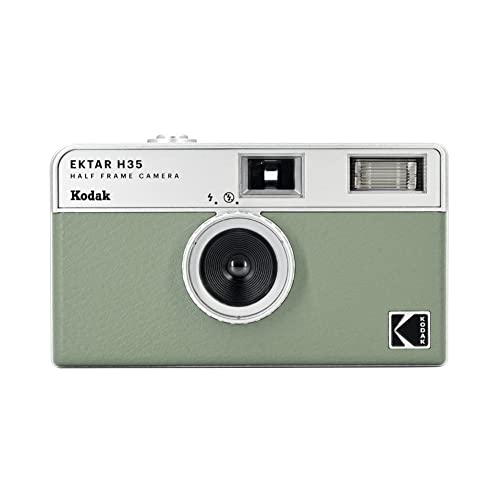
KODAK EKTAR H35 Half Frame

The KODAK EKTAR H35 Half Frame is a lightweight, reusable 35mm camera that shoots in half-frame format, allowing you to capture twice as many pictures per roll compared to standard 35mm framing. It requires an AAA battery to power its built-in flash, making it an appealing modern alternative for budget-conscious hobbyists who want low film operating costs and integrated flash capability in a contemporary package.
35mm disposable camera with 400
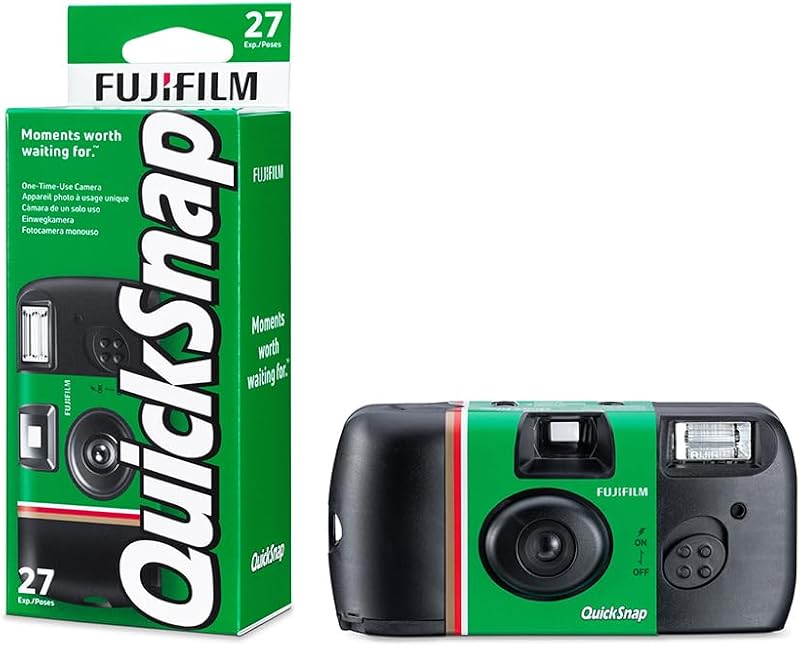
The 35mm disposable camera with 400 speed film and built-in flash provides 27 exposures in a single-use casing geared toward events, travel, and casual gatherings. Unlike the fully mechanical, long-term ownership model offered by the Trip 35, this disposable option eliminates film loading and maintenance entirely for users who simply want single-event film keepsakes.
Final Verdict
This comprehensive olympus trip 35 review confirms that this vintage classic remains one of the most delightful, functional 35mm film cameras available for everyday carry. By pairing mechanical aperture automation with a battery-free light meter, it delivers reliable daytime exposure control inside a remarkably lightweight metal chassis. The refreshed leather exterior from Analogue Amsterdam adds refined styling to a design that has proved its practical worth across multiple generations of film enthusiasts.
So, is olympus trip 35 worth it for the modern film shooter? For casual photographers, street chroniclers, and newcomers seeking genuine analog character without technical friction, the answer is a clear yes. While you must account for its daylight-oriented limits, lack of weather sealing, and body-only package, the peace of mind provided by thorough pre-testing and a two-month guarantee makes this restored edition a dependable, timeless companion for everyday creative photography.
FAQ
Does the Olympus Trip 35 require batteries to operate?
No, the Olympus Trip 35 operates completely without batteries. It utilizes an ambient light meter positioned around the lens to generate the necessary electrical charge for automatic exposure control, ensuring you can shoot standard 35mm film indefinitely without needing replacement cells.
What film format does the Olympus Trip 35 use?
The camera uses standard 35mm film rolls, which remain widely manufactured, sold, and developed at commercial photo labs worldwide. It captures images in the standard 1.50:1 aspect ratio native to 35mm full-frame photography.
Is the Olympus Trip 35 suitable for beginners?
Yes, the camera is exceptionally well suited for beginners because it features automatic exposure control and a fixed-focus lens design. Users simply advance the film, compose through the viewfinder, and press the shutter without having to calculate shutter speeds or aperture values manually.
Is the Olympus Trip 35 waterproof?
No, the listing confirms that the Olympus Trip 35 is not water resistant. Because it is a vintage mechanical camera without environmental seals, it should be protected from rain, moisture, and high humidity to prevent internal corrosion and optical damage.
What is included with this Analogue edition Olympus Trip 35?
The package includes the camera body only, professionally restored with custom leather detailing and backed by a two-month guarantee. Film, carrying straps, lens caps, and cases must be purchased separately.


