
As Amazon Associates, we earn from qualifying purchases. This means we may receive a small commission at no extra cost to you if you click through and make a purchase.
The Fujifilm Instax Wide Film Twin Pack is a dedicated instant film cartridge set designed specifically for wide-format instant cameras and portable printers. Containing two cartridges with ten exposures each, this pack delivers a broad landscape-oriented format that doubles the physical image area of standard credit-card-sized instant sheets, offering rich contrast, balanced saturation, and consistent physical prints straight out of the camera.
This film pack suits photographers, event hosts, and casual hobbyists who prioritize expansive group shots, detailed vistas, and tangible keepsakes over pocket-sized novelty prints. If you shoot exclusively with ultra-compact instant bodies, such as an instax mini instant setup, this wide cartridge will not physically load into your camera, meaning you will need to look at smaller film formats instead.

Fujifilm Instax Wide Film Twin Pack at a Glance

| Feature | Specification |
|---|---|
| Film Format | Instax Wide |
| Total Exposures | 20 sheets (2 packs of 10) |
| Film Speed | ISO 800 |
| Total Sheet Dimensions | 86mm x 108mm (3.39 inches x 4.25 inches) |
| Image Area Dimensions | 62mm x 99mm (2.44 inches x 3.90 inches) |
| Development Process | Integral instant processing |
| Development Time | Approximately 90 seconds |
| Operating Temperature Range | +5°C to +40°C (+41°F to +104°F) |
| Film Color | Color |
| Compatible Devices | Fujifilm Instax Wide cameras and Wide printers |
Print Dimensions and Frame Composition
The primary appeal of the Fujifilm Instax Wide Film Twin Pack is its generous physical footprint. Each sheet measures 86mm by 108mm, containing a visible picture area of 62mm by 99mm. Unlike standard miniature instant formats that can feel cramped when framing multiple subjects, this horizontal orientation gives photographers breathing room to capture full scenes without clipping subjects at the edges.
Because the image area provides a 2.44 by 3.90-inch picture, framing feels significantly closer to traditional medium-format and 35mm landscape photography. Those who enjoy shooting environmental portraits, wide architecture, or natural horizons will find that instax wide film for landscapes captures a realistic sense of scale that smaller photo formats simply cannot reproduce.
While square sheets like fujifilm instax square film center the subject in a symmetrical box, the wide layout naturally invites cinematic storytelling. The classic white border framing the image leaves dedicated space at the bottom or sides for hand-written notes, timestamps, or signatures, making it a reliable choice for guestbooks and photo albums.
Emulsion Quality and ISO 800 Sensitivity
Fujifilm builds this film using an integral film system backed by an advanced chemical emulsion. The emulsion layer is calibrated to produce crisp image detail, deep contrast, and natural skin tone reproduction. Colors develop with clean whites and vivid primaries, avoiding the overly warm yellow or muddy brown casts that frequently plague older instant chemical formulas.
With an instax wide film iso 800 rating, the film offers sufficient light sensitivity for varied photographic environments. In bright outdoor daylight, the film renders sharp highlights and natural shadows. When transitioning to indoor parties or evening settings, the ISO 800 base works in tandem with built-in camera flashes to illuminate foreground subjects evenly without crushing background details into complete darkness.
The chemical stability of the emulsion also ensures long-term image preservation when stored correctly. Because the developer chemicals are hermetically sealed inside the bottom pod of each sheet and distributed uniformly during ejection, the resulting print resists premature fading, color shifts, and edge degradation over time.
Development Speed and Environmental Tolerances
Waiting for an instant print to reveal its details is an integral part of analog shooting, and the instax wide film development time is remarkably brief. The entire chemical reaction completes in approximately 90 seconds. Visible outlines begin emerging within thirty seconds of ejection, followed by full color saturation and contrast settling shortly thereafter.
Ambient temperature plays a measurable role in how rapidly the chemistry activates. Fujifilm lists an operational temperature range of +5°C to +40°C (41°F to 104°F). When shooting in colder environments near the 5°C threshold, chemical migration slows down, meaning development may take slightly longer than 90 seconds, occasionally softening overall color warmth.
Conversely, shooting in high-heat conditions approaching 40°C can accelerate the reaction, occasionally creating slight magenta or warm color shifts. Keeping developing prints inside an inner pocket during chilly outings or shielding them from direct sunlight on hot summer afternoons helps maintain optimal color fidelity and consistent chemical performance.
Camera and Printer Compatibility
Understanding instax wide film compatibility is critical before purchasing this twin pack. The cartridges are engineered exclusively for wide-format hardware. This includes legacy and modern analog cameras such as the Instax Wide 100, Wide 200, Wide 210, and modern units requiring fujifilm instax wide 300 film, as well as standalone wide-format smartphone printers.
Shooters accustomed to gear from an instant camera fujifilm mini 9 bundle must note that these wide cartridges will not fit inside mini-format bodies. The physical cartridge of the wide film is more than twice the width of a mini pack, making cross-compatibility physically impossible.
Each cartridge loads seamlessly into compatible camera compartments using an aligned yellow alignment mark. Once the camera door is latched, the device ejects a protective black darkslide, leaving ten ready-to-shoot sheets primed for exposure. The enclosed plastic cartridge safeguards the unexposed sheets completely from ambient light until exposure.
Fujifilm Instax Wide Film Twin Pack Pros and Cons
Pros
- Expansive 62mm x 99mm image area
- Versatile ISO 800 light sensitivity
- Rapid 90-second development time
- Accurate color reproduction and sharpness
- Broad operating temperature range
- Broad compatibility across Wide hardware
Cons
- Incompatible with Instax Mini cameras
- Incompatible with Instax Square cameras
- Large physical cartridge requires bulky camera
Check Fujifilm Instax Wide Film Twin Pack on Amazon
Who Should Buy the Fujifilm Instax Wide Film Twin Pack
Buy It If
- You shoot with an Instax Wide 100, 200, 210, 300, or compatible wide printer and require official film.
- You frequently photograph large family gatherings, events, weddings, or landscape vistas where broad framing is essential.
- You prefer natural color rendering, sharp edges, and quick 90-second development times over vintage-style chemical quirks.
- You want a 20-sheet twin-pack bundle that provides two individually sealed 10-exposure cartridges for easy storage.
Skip It If
- Your instant camera belongs to the Instax Mini or Instax Square product lines.
- You prefer square 1:1 aspect ratios for your instant compositions.
- You shoot primarily with third-party vintage cameras that require built-in battery packs inside the film cartridge.
Fujifilm Instax Wide Film Twin Pack Alternatives Worth a Look
If you shoot on alternate instant platforms or need different film chemistry, considering format-compatible options ensures you choose the proper supplies for your camera hardware.
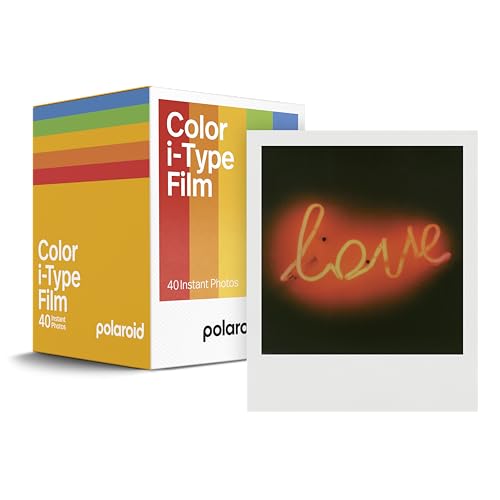
40x Film

The 40x Film pack provides 40 instant color photos specifically manufactured as Polaroid I-Type film (model 6010). Unlike the rectangular, landscape-focused design of the Fujifilm Wide sheets, this film uses Polaroid’s classic square image area surrounded by the iconic white frame.
Photographers who own modern Polaroid I-Type cameras and prioritize a higher exposure count in a single multi-pack should select this alternative. However, it cannot be used inside Fujifilm Instax hardware due to distinct physical dimensions, chemical development properties, and cartridge designs.
Final Verdict
When considering whether is instax wide film worth it, the answer comes down to image real estate and technical reliability. The Fujifilm Instax Wide Film Twin Pack remains the gold standard for wide-format instant prints, delivering accurate color rendition, consistent ISO 800 sensitivity, and remarkably stable 90-second development speeds across diverse shooting conditions.
For owners of Wide 300 cameras or wide-format printers, this 20-sheet twin pack offers dependable mechanical feeding and authentic image quality. Provided you verify that your hardware supports the larger cartridge dimensions, this film pack is an essential, high-performing consumable for tangible photography.
FAQ
What are the exact instax wide film specs regarding physical size?
Each sheet has total outer dimensions of 86mm by 108mm (3.39 inches by 4.25 inches). The active image window within the white border measures 62mm by 99mm (2.44 inches by 3.90 inches), providing a wide rectangular frame.
How many total photos come in the instax wide film 20 sheets package?
The twin pack contains two individually foil-sealed cartridges. Each cartridge contains 10 exposures, providing a total of 20 photos across the full package.
Can I use this cartridge as fujifilm instax wide 300 film?
Yes. The film is fully compatible with the Fujifilm Instax Wide 300, as well as earlier wide models including the Wide 100, Wide 200, and Wide 210 cameras and compatible wide printers.
What is the typical instax wide film development time after taking a picture?
Full development takes approximately 90 seconds under standard room temperature conditions. The image begins to appear faintly within the first thirty seconds and darkens to final sharpness and contrast shortly thereafter.
What temperatures are safe for shooting with this film?
The manufacturer specifies an operating temperature range between +5°C and +40°C (+41°F to +104°F). Operating in temperatures outside this window may slow down development chemistry or cause slight color shifts.


