As Amazon Associates, we earn from qualifying purchases. This means we may receive a small commission at no extra cost to you if you click through and make a purchase.
The DJI Avata 2 brings first-person flight into accessible territory by pairing responsive flight dynamics with protective propeller guards and an immersive headset setup. In this DJI Avata 2 review, we examine an FPV drone with goggles that trades the steep technical barriers of traditional quadcopters for a streamlined, ready-to-record experience. Our verdict is that this aircraft delivers an exceptionally stable, thrilling cockpit perspective that lets casual creators capture sweeping dynamic shots straight out of the box.
This bundle suits content creators, outdoor enthusiasts, and curious hobbyists who want dramatic low-altitude perspective shots without soldering circuit boards or memorizing complex stick calibrations. However, if your primary goal is high-altitude landscape photography or ultra-lightweight travel without pilot registration responsibilities, you may prefer an open-propeller folding model. Traditional FPV hobbyists accustomed to barebones acrobatic platforms like the tinyhawk 2 race should note that this platform is engineered around automated safety, digital stability, and integrated aerial filming rather than raw analog tinkering.


DJI Avata 2 at a Glance
| Feature | Specification |
|---|---|
| Takeoff Weight | 377 g |
| Image Sensor | 1/1.3-inch CMOS |
| Video Resolution | 4K at 60fps |
| Effective Still Resolution | 12 MP |
| Field of View | 155° Super-Wide |
| Image Stabilization | RockSteady and HorizonSteady |
| Battery Capacity | 2150 mAh Lithium Polymer |
| Maximum Transmission Range | 13 km |
| Operating Temperature | 14 °F |
| Storage Compatibility | Micro SD |
Flight Experience and Motion Controls
Piloting an FPV craft often requires mastering twin control sticks where the slightest error sends the aircraft tumbling into the grass. The Avatar 2 drone alters this dynamic substantially by bundling the DJI RC Motion 3 single-handed remote. Instead of balancing throttle against pitch manually, you direct the aircraft simply by tilting your wrist in the direction you wish to travel. Squeezing the trigger accelerates the craft, while releasing it allows the drone to halt smoothly in place, giving newcomers immediate reassurance during their earliest runs.
Evaluating the DJI Avata 2 for beginners reveals an approachable control scheme bolstered by built-in acrobatic shortcuts. Through the motion interface, pilots can trigger automated flips, rolls, and 180-degree drifts at the touch of a button without risking an uncontrolled stall. The visual feedback fed into the DJI Goggles 3 creates an immediate sense of presence, placing the operator directly inside the virtual cockpit. For additional details on headset ergonomics and display resolution, see our drone dji avatar 3 assessment. While the Avata 2 drone specs label the skill level as advanced due to high-speed maneuvering capabilities, the software guards provide an approachable runway for learning.
For operators who eventually wish to progress into traditional manual acrobatic flight, the system also supports standard dual-stick transmitters such as the DJI FPV Remote Controller 3. This compatibility pathway allows the aircraft to serve double duty: it works as a point-and-shoot camera craft with the Avata 2 motion controller on day one, yet remains capable of pure manual freestyle flight should you decide to expand your piloting skills down the road.
Camera Quality and Video Stabilization
Capturing video from an FPV perspective presents distinct technical hurdles, as aggressive banking maneuvers typically introduce jarring angles and heavy frame vibration. The DJI Avata 2 camera quality relies on a generous 1/1.3-inch CMOS sensor capable of capturing 4K video at 60 frames per second alongside 12 MP still photographs. The ultra-wide 155-degree field of view produces dramatic, swooping visuals close to obstacles, making low-altitude passes over grass, pathways, and tree canopies appear remarkably fast and cinematic.
Unlike standard aerial camera platforms that utilize mechanical three-axis balance arms, such as the lightweight dji mavic mini, this aircraft relies on robust electronic leveling algorithms. DJI incorporates both RockSteady and HorizonSteady processing directly onto the video feed. RockSteady eliminates high-frequency motor tremors and turbulent wind buffeting, while HorizonSteady locks the horizon level even during steep banks and sudden directional shifts. Recorded files are stored in MP4 format directly onto an onboard Micro SD card, preserving clean bitrates without transmission compression.
Content creators looking to produce immediate clips for mobile platforms will appreciate the software integration. The aircraft connects with the LightCut mobile editing application, which provides pre-designed templates that automatically synchronize dynamic aerial clips to musical rhythms. This automated pipeline removes the friction of managing complex color grading or manually trimming lengthy flight clips before sharing footage with friends or followers.
Durability and Integrated Safety Features
One of the primary anxieties when operating any aircraft close to walls or branches is the risk of an instantaneous propeller strike destroying the craft. The DJI Avata 2 addresses this concern with integrated, rigid propeller guards surrounding all four rotors. If the drone brushes against an outdoor twig, indoor doorframe, or fence post, the curved ducting deflects the impact, allowing the propulsion system to maintain lift rather than snagging a spinning blade and crashing.
At an official weight of 377 grams, the drone carries enough mass to remain stable in modest outdoor breezes while staying light enough to limit kinetic impact forces during minor mishaps. The Lithium Polymer battery clicks firmly into the central chassis, protected on all sides by the reinforced perimeter guard. Furthermore, the drone operates reliably in ambient temperatures down to 14 °F, permitting cold-weather flights that would freeze delicate mechanical components on less rugged platforms.
Because the platform carries an official manufacturer skill rating of advanced, caution remains necessary. Propeller guards offer substantial defense against lateral bumps, but open spaces above and below the craft remain vulnerable to direct branch intrusions. The physical construction provides genuine peace of mind for lower-altitude exploration, giving operators the confidence to fly through tighter spaces than they would ever attempt with exposed-blade camera drones.
Battery Life and Power Management
Immersive flying requires substantial electrical current to drive high-RPM motors, wireless transmission feeds, and real-time electronic stabilization. The DJI Avata 2 battery life is managed through dedicated 2150 mAh Lithium Polymer battery packs that slide directly into the rear bay. Having individual high-capacity packs ensures the propulsion system receives consistent voltage without sudden brownouts during aggressive punch-outs or steep climbs.
Opting for the DJI Avata 2 Fly More Combo provides three of these 2150 mAh intelligent packs along with multi-battery charging accessories, resolving the downtime associated with single-battery quadcopters. Instead of packing up after a single flight run, pilots can rotate through batteries sequentially. The extended flight capabilities ensure adequate time to scout an area, dial in the desired camera angle, and execute multiple video passes without panicking over remaining reserves.
Wireless range is another notable strength of the transmission ecosystem. The system supports video transmission distances up to 13 kilometers under optimal conditions using Wi-Fi and Bluetooth communication protocols. While local regulations require maintaining visual sight lines, the robust signal overhead ensures that the goggle feed remains crisp and responsive even when navigating behind light foliage or flying around small terrain obstacles.
DJI Avata 2 Pros and Cons
Pros
- Built-in propeller guards for enhanced impact protection
- Intuitive one-handed steering via RC Motion 3
- Vibrant 4K/60fps video with 155-degree super-wide view
- Three 2150 mAh intelligent flight batteries included
- Reliable RockSteady and HorizonSteady electronic stabilization
Cons
- 377 g weight requires standard aviation registration
- Android app requires manual download outside Google Play
- Advanced speed capabilities require responsible open-space practice
Who Should Buy the DJI Avata 2
Deciding whether this aircraft fits your equipment locker comes down to how you plan to capture aerial footage and how much time you want to spend mastering manual flight dynamics.
Buy It If
- You want thrilling first-person POV video without spending months practicing difficult dual-stick maneuvers.
- You need built-in propeller guards so you can fly through tight gaps and near obstacles with reduced crash anxiety.
- You desire a complete out-of-the-box package featuring three batteries, goggles, and an intuitive motion wand.
- You plan to produce 4K/60fps video stabilized against aggressive banking angles and sharp turns.
Skip It If
- You need a sub-249-gram aircraft to bypass drone registration rules in regions with strict weight cutoffs.
- You strictly prefer slow, high-altitude landscape photography using a dedicated three-axis physical gimbal.
- You are looking for a minimal, low-cost toy quadcopter strictly for casual backyard knocking around.
DJI Avata 2 Alternatives Worth a Look
If the high-performance FPV capabilities of the main product do not match your exact flying style or operational goals, several alternative options address different requirements.
2K HD FPV Drone

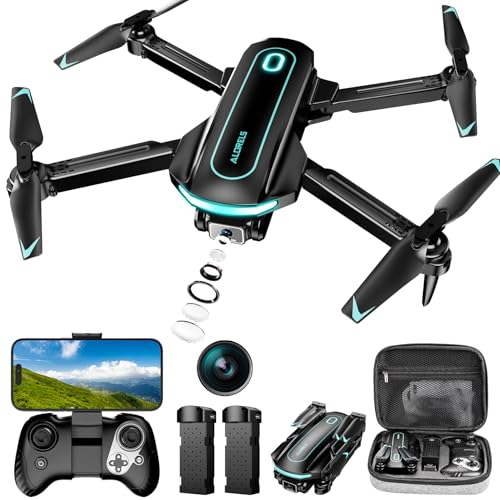
The 2K HD FPV Drone is a lightweight folding craft equipped with altitude hold, one-key takeoff, three speed modes, and headless orientation control. It includes two batteries and is targeted primarily at beginner teens and adults wanting a straightforward introductory flying toy. Buyers seeking an entry-level learning platform for basic handling will appreciate its simplicity, though it lacks the 4K recording fidelity, goggles immersion, and rugged ducting of the Avata 2.
3-Axis Gimbal

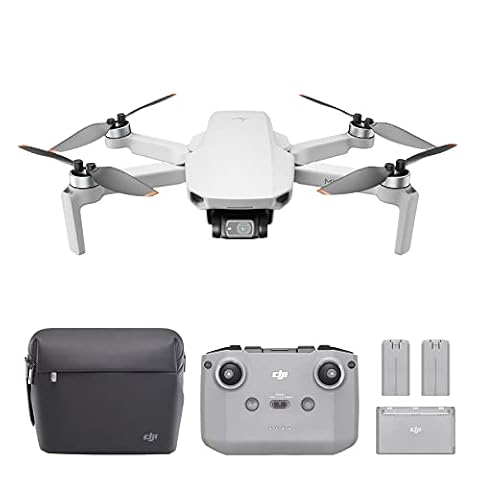
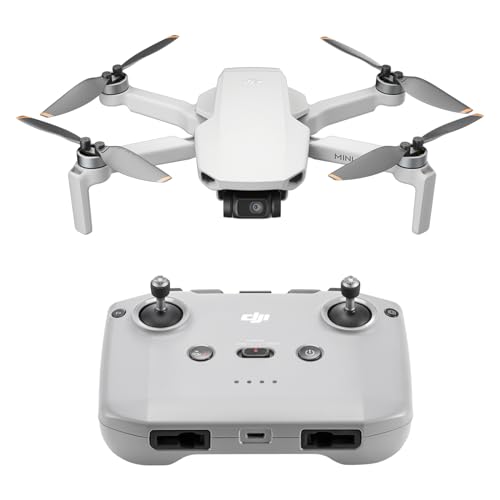
The 3-Axis Gimbal quadcopter (DJI Mini 4K) features a mechanical three-axis camera stabilizer, 31 minutes of flight time, auto-return functionality, and a 10 km video transmission range while weighing under 249 grams. This model is ideal for travelers who want traditional cinematic landscape panoramas and steady hovering without needing to register an aircraft over the weight threshold.
Mini Drone with 2 Batteries
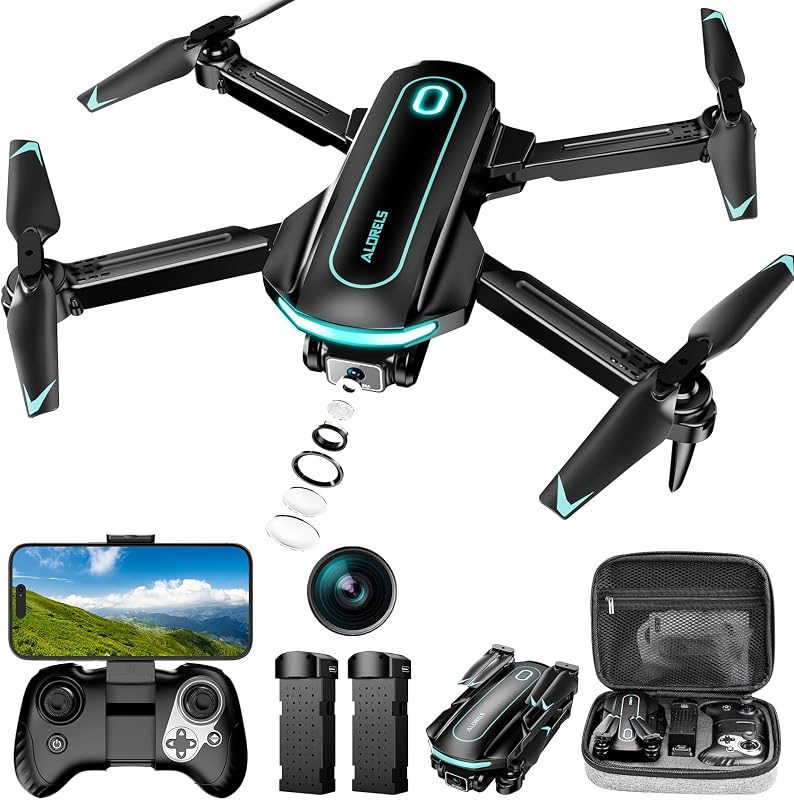
The Mini Drone with 2 Batteries is an ultra-compact folding trainer featuring 1080P HD FPV video, a custom carrying case, trajectory flight planning, and 360-degree stunt flips. It serves as an accessible present for younger pilots or complete novices who want to practice orientation and basic indoor flying before graduating to premium high-speed platforms.
Final Verdict
When asking is DJI Avata 2 worth it, the answer depends on how much value you place on accessible adrenaline and dynamic video recording. The platform successfully strips away the intimidating complexities historically associated with goggles-based quadcopters. Between the intuitive hand-directed steering of the RC Motion 3 wand, the wide 155-degree 4K camera system, and the physical safety provided by molded propeller guards, this drone delivers a polished, premium cockpit perspective that feels natural within minutes of your first liftoff.
While the 377-gram takeoff weight requires pilots to manage standard registration compliance, the hardware package included in the three-battery combo eliminates virtually all traditional FPV bottlenecks. For videographers seeking sweeping action shots and everyday hobbyists wanting a genuine taste of first-person flight, the aircraft stands out as one of the most cohesive and exciting flight setups currently available.
FAQ
What comes inside the DJI Avata 2 Fly More Combo?
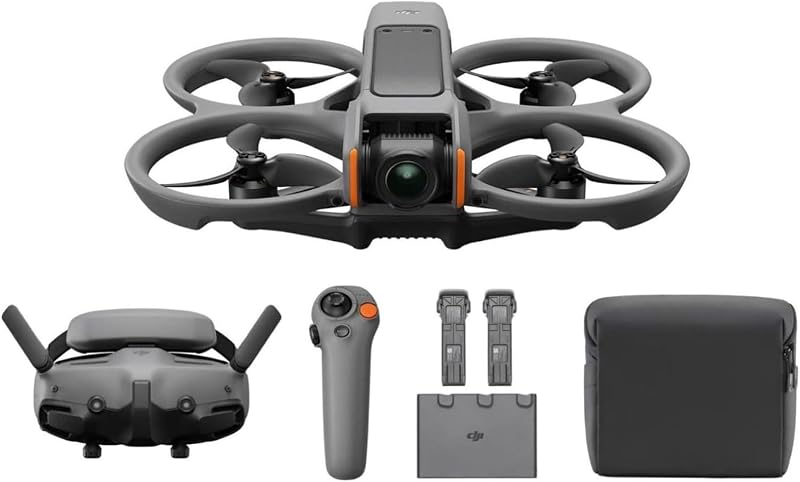
The three-battery Fly More Combo includes the Avata 2 aircraft, three 2150 mAh Intelligent Flight Batteries, the DJI RC Motion 3 single-handed controller, the DJI Goggles 3 headset, and supporting charging gear to keep you flying longer in the field.
How do you install the DJI Fly app for the DJI Avata 2?
Because the DJI Fly application is not hosted on Google Play due to platform compatibility issues, Android users must visit the official DJI website directly. From there, download the current installer package onto your mobile device before linking and activating your aircraft.
Can beginners perform flips and rolls with the DJI Avata 2?
Yes. The aircraft features automated stunt modes accessible through the motion controller interface. Pilots can initiate clean flips, rolls, and 180-degree drift slides with simple control inputs, allowing even novice operators to capture acrobatic maneuvers safely.
Does the DJI Avata 2 require registration before flying?
With an operating weight of 377 grams, the aircraft exceeds the 249-gram threshold set by many civil aviation authorities. Operators must verify and comply with local aviation regulations, airspace authorizations, and registration guidelines before flying outdoors.
Which remote controllers and goggles work with the DJI Avata 2?
According to manufacturer specifications, the drone is compatible with DJI Goggles 3, DJI Goggles N3, DJI Goggles 2, and DJI Goggles Integra. Compatible control hardware includes the DJI RC Motion 3, DJI RC Motion 2, DJI FPV Remote Controller 3, and DJI FPV Remote Controller 2.