As Amazon Associates, we earn from qualifying purchases. This means we may receive a small commission at no extra cost to you if you click through and make a purchase.
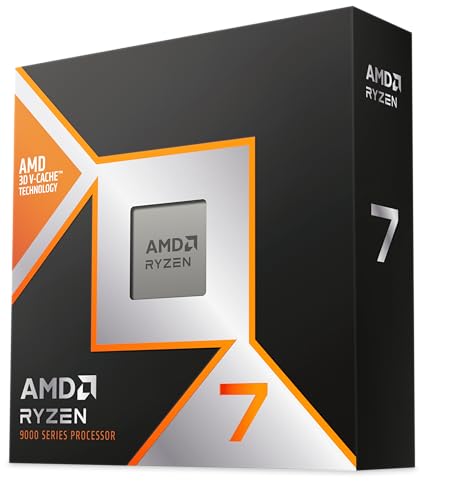
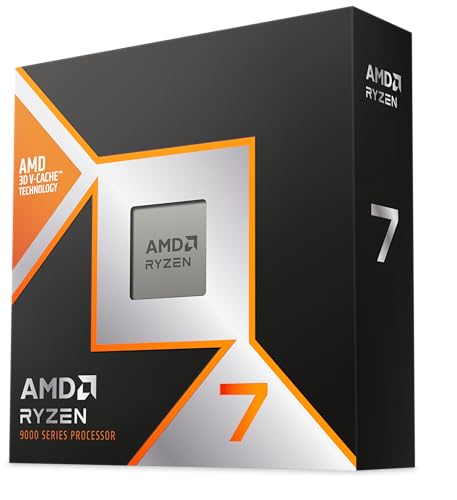
The AMD Ryzen 7 9800X3D is an eight-core, sixteen-thread desktop computing engine designed to deliver industry-leading frame rates through AMD Zen 5 architecture and second-generation stacked cache engineering. Operating with a 4.7 GHz base frequency and boost speeds up to 5.2 GHz, this processor is engineered specifically to eliminate frame drops and provide silky-smooth frametimes in the most demanding modern titles. For PC builders prioritizing uncompromising gaming performance without the software scheduling headaches that sometimes accompany dual-die chips, this piece of silicon stands as the undisputed benchmark for high-end gaming rigs.
This amd ryzen 7 9800x3d desktop processor is an ideal match for high-refresh competitive gamers, simulation enthusiasts, and builders seeking an uncompromising foundation on current-generation hardware. It provides drop-in readiness for modern systems while delivering an estimated 16 percent instruction-per-clock uplift over prior architectures. However, everyday computer users who primarily perform light office work or casual video editing will find this level of specialized hardware unnecessary, and budget-oriented builders who cannot invest in dedicated cooling hardware or an updated motherboard platform should evaluate more modest desktop components instead.


AMD Ryzen 7 9800X3D at a Glance

| Feature | Specification |
|---|---|
| Processor Model | AMD Ryzen 7 9800X3D |
| Processor Series | Ryzen 7 |
| Architecture | Zen 5 |
| Core and Thread Count | 8 Cores, 16 Threads |
| Base Operating Frequency | 4.7 GHz |
| Maximum Boost Frequency | Up to 5.2 GHz |
| L3 Cache Capacity | 96 MB |
| Secondary Cache (L2) | 8 MB |
| Motherboard Socket | Socket AM5 |
| Thermal Rating / Wattage | 140 Watts |
| Included Cooling Solution | None (External Cooler Required) |
| Supported Operating System | Windows 11 |
Gaming Performance and 3D V-Cache Capabilities
When evaluating the amd ryzen 7 9800x3d for gaming, the central engineering highlight is its massive 96MB L3 cache arrangement. Modern game engines rely heavily on swift data retrieval, frequently cycling geometry data, physics calculations, and texture parameters. When a processor runs out of on-chip cache capacity, it must reach across the motherboard bus to system memory, introducing latency that registers on screen as micro-stutters or dips in minimum frame rates. By stacking extra cache directly onto the compute die using Next Gen 3D V-Cache technology, this chip keeps critical rendering instructions immediately accessible, delivering remarkably smooth frame delivery in demanding game environments.
The practical benefit of this ryzen 7 9800x3d 3d v-cache design shows up most clearly in simulation games, expansive open-world titles, and fast-paced competitive esports played at high refresh rates. Titles that place heavy stress on single-threaded simulation calculations gain substantial stability in frame pacing. Because the chip utilizes a single eight-core complex die rather than splitting cores across multiple physical dies, games do not run into the thread scheduling complications or cross-die latency penalties that can affect multi-chiplet configurations like the amd ryzen 9 9950x3d processor when unoptimized software mismanages workload assignment.
In addition to raw capacity, the implementation of this cache generation improves thermal transfer between the underlying silicon cores and the integrated heat spreader. In earlier iterations of 3D V-Cache, the added memory layer insulated the processing cores, forcing conservative operating frequencies to maintain safe operating temperatures. With this revised physical layout, the processor sustains clock speeds up to 5.2 GHz while continuing to feed its processing cores from the expanded 96MB cache pool, translating into reliable, fluid gameplay across both older graphics APIs and modern graphical engines.
Architecture and Clock Speed Enhancements
Under the heat spreader, the processor leverages AMD’s Zen 5 core microarchitecture, delivering an estimated 16 percent IPC uplift compared to previous generation silicon. This architectural leap means the processor completes significantly more work per clock cycle, improving raw computational efficiency across varied operating loads. Combined with an aggressive base clock speed of 4.7 GHz and an 8 MB secondary cache pool, the system executes routine productivity commands and heavy gaming instructions with equal agility.
The configuration of 8 physical cores and 16 concurrent threads hits the sweet spot for modern desktop gaming operating systems. While workstation tasks such as raw video encoding or heavy rendering benefit from brute-force core scaling on chips like the amd ryzen 9 5950x 3.4 ghz 16-core processor, gaming engines rarely utilize more than eight processing cores effectively. By concentrating its power budget and thermal headroom on eight high-performing cores, the processor maximizes per-core throughput without generating unnecessary parasitic heat from idle compute silicon.
Crucially, the higher maximum boost clock of 5.2 GHz addresses one of the historical compromises of high-cache gaming processors. Past models often sacrificed clock speed in exchange for their oversized cache reserves, leading to mediocre performance in tasks that relied purely on raw clock speed rather than memory latency. By closing this frequency gap, the chip performs admirably in daily productivity workflows, digital asset creation, and operating system responsiveness while maintaining its specialized gaming prowess.
Thermal Characteristics and Cooling Requirements
Managing heat is an essential consideration for anyone looking at this enthusiast hardware. The listing explicitly states that the processor has a 140-watt power rating and does not include a cooling unit in the box. Consequently, builders must supply their own external cooling hardware to keep operational temperatures within acceptable limits. Understanding your ryzen 7 9800x3d cooling requirements is crucial before completing your component shopping list.
Because the chip concentrates significant power density within a compact physical surface area, relying on an entry-level air cooler or a small downdraft heat sink is not recommended. Achieving the advertised 5.2 GHz boost frequency under heavy multi-threaded stress requires a substantial dual-tower air cooler equipped with multiple heat pipes or a closed-loop liquid cooling system with a 240mm or larger radiator. Maintaining low core temperatures allows the automated frequency algorithms to sustain higher boost states for longer durations during extended gaming sessions.
Prospective builders should note that unlike lower-wattage entry-level desktop offerings such as the amd ryzen 5 5500 6-core, 12-thread unlocked desktop processor with wraith stealth cooler, AMD does not bundle a thermal solution with this high-tier chip. This omission reflects the target market: enthusiast gaming processors operating at 140 watts generate far more heat than a simple aluminum extrusion can dissipate, requiring specialized aftermarket thermal hardware matched to the thermal output.
Socket AM5 Platform and System Power Requirements
Platform compatibility is one of the most compelling aspects of this generation. The processor provides drop-in readiness for the ryzen 7 9800x3d socket am5 ecosystem, utilizing a modern land grid array motherboard design. This means system builders with an existing AM5 motherboard can install this processor directly after performing a standard motherboard BIOS update, extending the lifespan of their existing hardware without necessitating a full platform replacement.
The transition to Socket AM5 brings native support for cutting-edge connectivity standards, high-bandwidth DDR5 memory, and high-speed PCIe system buses. These platform improvements are especially beneficial when paired with the processor’s substantial memory subsystem. In terms of energy efficiency, ryzen 7 9800x3d power consumption is rated at 140 watts, representing a disciplined power profile given the processing throughput on offer. A solid, modern desktop power supply unit with adequate 8-pin EPS motherboard power connectors is required to ensure clean power delivery under peak gaming loads.
Builders weighing a ryzen 7 9800x3d upgrade from older systems must factor in the total platform transition. Upgrading from legacy platforms such as the ryzen 7 5800xt requires purchasing not just the new CPU, but also a Socket AM5 motherboard and DDR5 system memory. While this complete overhaul involves replacing core components, the resulting platform offers modern input/output bandwidth, validated Windows 11 platform stability, and an established foundation for future hardware revisions.
AMD Ryzen 7 9800X3D Pros and Cons
Pros
- Next Gen 3D V-Cache with 96MB L3 capacity
- High boost clock speeds reaching up to 5.2GHz
- Estimated 16 percent IPC uplift from Zen 5
- Drop-in compatibility with proven Socket AM5 platform
- Superior thermal design compared to prior generation
Cons
- Cooler not included in retail package
- Requires dedicated external cooling solution
- 140W power consumption demands capable power supply
Check AMD Ryzen 7 9800X3D on Amazon
Who Should Buy the AMD Ryzen 7 9800X3D
Buy It If
- You prioritize gaming performance above all else and want maximum framerate stability in CPU-limited titles.
- You already own a Socket AM5 motherboard or are planning a ground-up gaming PC build on current-generation architecture.
- You play heavily modded titles, esports games, or complex simulation software that actively benefits from 96MB of L3 cache.
- You have an established cooling setup or intend to purchase an external high-performance liquid or dual-tower air cooler.
Skip It If
- Your primary workloads involve core-heavy workstation tasks like full-time 3D animation rendering where 12 or 16 cores are mandatory.
- You are assembling an ultra-low-budget desktop build and require an all-in-one package that includes a bundled stock cooler.
- You want to stay on an existing DDR4 or AM4 motherboard platform without investing in new platform infrastructure.
AMD Ryzen 7 9800X3D Alternatives Worth a Look
When searching marketplace catalogs for processing hardware, system builders and shoppers often encounter unrelated products that share identical keyword classifications. If your search for a processor was intended for culinary meal prep rather than computer gaming silicon, these popular kitchen small appliances frequently appear under matching search queries.
Simple Stack & Press Design

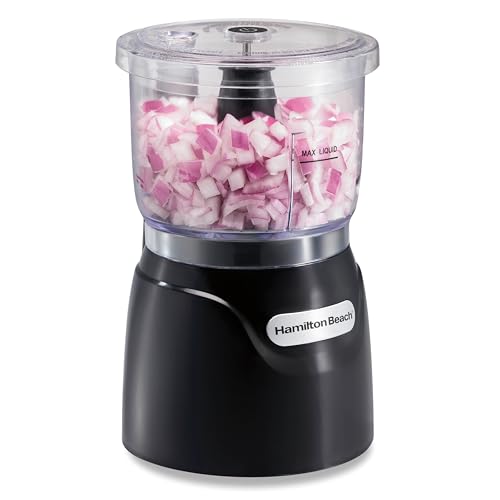
The Simple Stack & Press Design is a 350-watt Hamilton Beach mini food processor and vegetable chopper with a 3-cup capacity. Built with stainless steel blades for dicing, mincing, and pureeing, it features a dishwasher-safe work bowl and an intuitive stack-and-press operation. Pick this item over desktop computing hardware if you need a quick countertop kitchen tool for everyday food preparation rather than high-performance PC silicon.
2-Speed Electric Food Chopper

The 2-Speed Electric Food Chopper by Ganiza is a 450-watt electric meat grinder and vegetable chopper designed for culinary meal preparation. It includes two sets of specialized blades and features both an 8-cup glass bowl and an 8-cup stainless steel bowl for high-capacity chopping tasks. Shoppers looking for a multi-purpose kitchen machine capable of handling meats, nuts, and produce will choose this appliance over a computer processor.
Mini electric food chopper chops
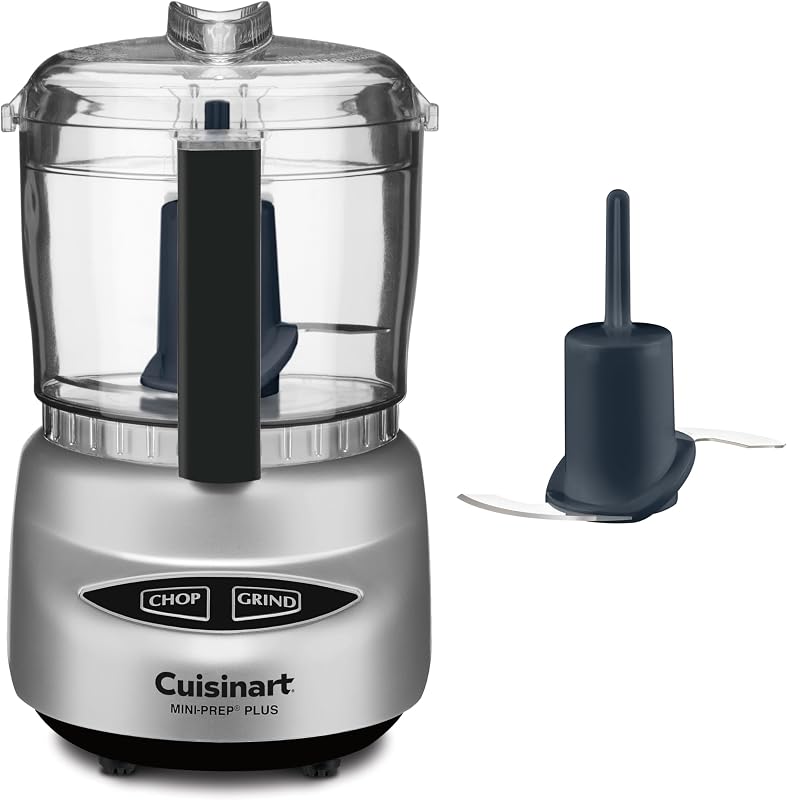
The Mini electric food chopper chops model DLC-2ABC from Cuisinart is a compact 3-cup mini food processor featuring a patented reversible blade. Engineered to chop herbs, vegetables, and cheeses, it comes equipped with a dishwasher-safe bowl and lid. This small culinary device is tailored strictly for home cooks wanting effortless kitchen prep in a small footprint, contrasting entirely with microchip processors.
Final Verdict
The AMD Ryzen 7 9800X3D fulfills its design promise as an exceptional, highly focused gaming powerhouse. By pairing an eight-core Zen 5 architecture with 96MB of Next Gen 3D V-Cache and boosted clock speeds up to 5.2 GHz, AMD has resolved the frequency limitations that affected earlier cache-heavy chips. The processor produces outstanding frametime consistency, exceptional low-percentile frame rates, and remarkable efficiency within its 140-watt operating envelope, solidifying its place at the top of current gaming hardware.
Whether this chip fits your immediate build depends largely on your platform status and overall computing priorities. Because you will need to supply an external performance cooler and a Socket AM5 motherboard, completing a build around this chip requires intentional component planning. However, for builders asking whether the investment delivers real-world returns in games, the answer is clear: for pure, uncompromised gaming fluidity, this processor stands as one of the best computing investments available today.
FAQ
Is the AMD Ryzen 7 9800X3D worth it for gaming?
Yes, the processor is specifically optimized for high-refresh gaming. Its massive 96MB L3 cache and fast 5.2 GHz boost clock speed reduce memory latency bottlenecks, delivering higher average frame rates and smoother minimum frametimes in demanding titles.
Does the AMD Ryzen 7 9800X3D include a CPU cooler in the box?
No, the retail listing explicitly specifies that a cooler is not included. Because the processor is rated for 140 watts, AMD requires users to install an external aftermarket thermal solution, such as a high-performance dual-tower air cooler or a liquid cooling system.
What motherboard socket is required for this desktop processor?
The processor requires a motherboard equipped with Socket AM5. It is drop-in ready for AM5 motherboards, though existing boards may require a quick motherboard BIOS update to properly recognize the Zen 5 architecture.
What are the primary amd ryzen 7 9800x3d specs to know?
Key technical specifications include an 8-core, 16-thread layout, a base clock speed of 4.7 GHz, a maximum boost clock of 5.2 GHz, 96MB of L3 cache, 8MB of secondary cache, a 140-watt power rating, and compatibility with the Windows 11 platform.
Can the AMD Ryzen 7 9800X3D handle non-gaming workloads effectively?
Yes, its 8 cores, 16 threads, and Zen 5 IPC uplift handle general productivity, multitasking, and everyday software smoothly. However, users focused exclusively on heavy workstation tasks like continuous 3D rendering may prefer processors with higher total core counts.