As Amazon Associates, we earn from qualifying purchases. This means we may receive a small commission at no extra cost to you if you click through and make a purchase.
The SanDisk Ultra SD Card is a mainstream SDXC memory card engineered primarily for compact cameras, mid-range point-and-shoot systems, and traditional camcorders. Our evaluation confirms it is a sensible, rock-solid storage solution for standard daily photography and smooth 1080p recording, offering reliable operation without forcing buyers to pay for cinema-level specifications they will never utilize.
This card directly suits everyday family photographers, travelers documenting vacations, and casual hobbyists who shoot single-frame JPEG images or routine high-definition clips. The generous capacity ensures you can capture hundreds of vacation moments without constantly offloading files. However, creators aiming to capture high-bitrate 4K footage, high-speed burst sequences in uncompressed RAW format, or commercial video work must look toward faster V30, V60, or CFexpress alternatives to avoid dropped frames and sluggish buffer recovery times.


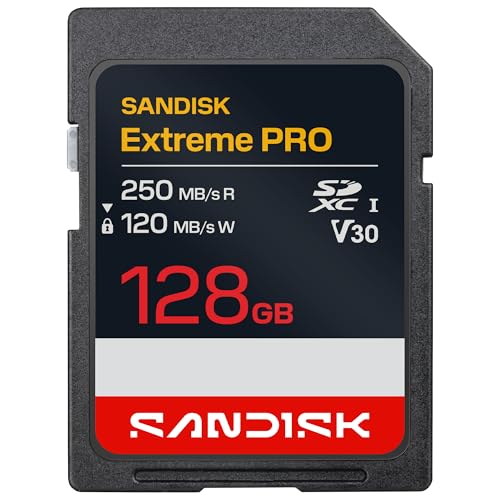
SanDisk Ultra SD Card at a Glance

| Feature | Specification |
|---|---|
| Card Format | SDXC UHS-I |
| Storage Capacity | 128GB |
| Maximum Read Speed | Up to 140MB/s (proprietary technology) |
| Minimum Continuous Write Speed | 10MB/s |
| Speed Classes | Class 10, UHS Speed Class 1 (U1) |
| Video Resolution Target | Full HD (1920×1080) |
| Durability Ratings | Waterproof, Temperature Proof, X-ray Proof, Magnet Proof, Drop Proof |
| Model Number | SDSDUNB-128G-GN6IN |
| Card Weight | 4.54 grams |
| Intended Devices | Compact to mid-range point-and-shoot cameras and camcorders |
Read Performance and Real-World Transfer Rates
The headline performance figure for this storage unit is its read throughput. The manufacturer notes a maximum read speed of up to 140MB/s, which exceeds the standard UHS-I speed ceiling of 104MB/s by utilizing proprietary engineering. Reaching that full 140MB/s threshold requires a dedicated, compatible device such as the SanDisk SD UHS-I card reader, which is sold separately. In everyday devices or integrated host card slots, read speeds will generally operate closer to standard UHS-I boundaries, which still provides plenty of bandwidth for smooth everyday tasks.
Quick offload speeds matter immensely when you return home from an event with hundreds of high-resolution images waiting on your memory card. When moving batches of family portraits or vacation video clips to an external drive or a modern workstation like the asus laptop zenbook a14, the elevated read rate significantly reduces transfer wait times compared to basic legacy memory cards. Shuffling files from card to computer feels snappy, letting you back up your memories and clear your storage card without enduring tedious progress bars.
It is important to remember that transfer performance is fundamentally asymmetrical on this tier of memory. While the read speeds can climb toward 140MB/s under optimal conditions with the proper hardware, write speeds operate on a completely different standard. Buyers reviewing the overall sandisk ultra sd card speed should not expect to push data onto the card anywhere near that maximum offload rate, as incoming writes are governed by its baseline media rating rather than its peak burst read performance.
Video Recording and Write Speeds for 1080p Content
Video capture requires sustained, unyielding write performance rather than short bursts of speed. The card carries an official Secure Digital Association Class 10 rating alongside a Flash Memory Video Speed Class of U1. In technical terms, the sandisk ultra c10 u1 specification guarantees a minimum continuous write speed of 10MB/s. This constant 10MB/s floor is tailored specifically to accommodate standard Full HD video recording at 1080p resolution without stuttering or unexpected recording stops.
Because modern 1080p recording profiles in consumer camcorders typically output bitrates well below the card’s 10MB/s sustained minimum, the card manages standard high-definition video files with zero friction. Whether you are filming school recitals, family holidays, or scenic clips, the sandisk ultra full hd video capabilities remain dependable and predictable. The media speed prevents frame drops and file corruption during regular recording sessions, giving everyday users the confidence that their captured footage is securely written to flash memory in real time.
The crucial caveat involves modern high-resolution formats. The card listing explicitly highlights Full HD support and does not claim support for 4K video capture or high-bitrate broadcast standards. Because 4K recording typically demands sustained write performance found in U3 or V30 categories (at least 30MB/s), using this U1 card in a 4K video mode can lead to buffer overruns and interrupted recordings. For standard high-definition home movies, however, the card delivers exactly what its specifications promise.
Camera Compatibility and Everyday Point-and-Shoot Handling
Camera pairing is critical to getting satisfactory results from any storage medium. The listing specifically recommends this card for compact to mid-range point-and-shoot cameras and camcorders. Operating a traditional fixed-lens compact camera involves moderate data generation: single-frame JPEGs are written sequentially, rarely stressing the internal camera buffer. In this environment, using a dedicated sandisk ultra for point and shoot photography provides an effortless experience where the card writes each snapshot smoothly in the background.
Issues only arise when users push beyond the physical design intent of the hardware. If you slot this card into an advanced mirrorless system and attempt to fire off twenty consecutive uncompressed RAW images in continuous drive mode, the camera will quickly fill its internal memory buffer. Because the card has a baseline media speed of 10MB/s, clearing that heavy buffer to the card takes noticeable time, during which your camera may lock up or refuse to shoot additional frames until the queue clears.
For hobbyists balancing multiple personal recording gadgets—perhaps carrying a point-and-shoot for landscape stills while using an ultra-compact setup like an insta x4 air for action capture—having dedicated full-size SD cards for standard cameras keeps media management orderly. The standard SDXC form factor slides smoothly into full-size camera bays, eliminating the need for fragile card adapters that can occasionally cause connection faults in the field.
Durability, Environmental Protections, and Travel Reliability
Travel photography exposes gear to harsh environments, shifting climates, and unpredictable physical hazards. The manufacturer equips this SDXC card with a comprehensive suite of protective safeguards. According to the listing specifications, the card is waterproof, temperature proof, X-ray proof, magnet proof, and drop proof. These structural protections mean accidental spills, baggage drops, or sudden temperature swings will not easily destroy your stored images.
Air travel security represents a frequent point of anxiety for vacation photographers who worry about their media passing through airport inspection lines. With integrated X-ray resistance, this card can travel through carry-on scanning machines without suffering bit degradation or magnetic interference. Similarly, the drop-proof construction ensures that an accidental fumble while swapping memory cards over a hard surface will not immediately ruin the delicate internal flash storage components.
While the exterior shell is constructed from lightweight plastic weighing just 4.54 grams, the internal silicon packaging is sealed against moisture intrusion. This durability profile makes the card a reliable companion for outdoor excursions, camping trips, and family seaside outings. As long as the physical metal contacts are kept clean and dry before inserting the card into a camera, you can rely on the hardware to keep your vacation archives secure under typical outdoor conditions.
SanDisk Ultra SD Card Pros and Cons
Pros
- Up to 140MB/s quick offload read speed
- Reliable Class 10 and U1 Full HD video recording
- Generous 128GB capacity stores tons of photos
- Protected against water, drops, magnets, X-rays, and temperatures
- Ideal match for compact to mid-range cameras
Cons
- Baseline 10MB/s write speed restricts rapid RAW bursts
- Not rated for high-bitrate 4K UHD video recording
- Requires proprietary card reader to reach peak 140MB/s
Check SanDisk Ultra SD Card on Amazon
Who Should Buy the SanDisk Ultra SD Card
Buy It If
- You use a compact or mid-range point-and-shoot camera for everyday personal snapshots and travel memories.
- Your video projects are captured primarily in standard Full HD 1080p resolution.
- You want high offload read speeds up to 140MB/s to quickly transfer photo albums onto your home computer.
- You need a durable, weather-resistant card that survives drops, moisture, airport X-rays, and shifting temperatures.
Skip It If
- Your workflow revolves around recording 4K UHD video or cinema-grade footage that requires U3 or V30 write ratings.
- You frequently shoot high-speed continuous RAW photo bursts on professional mirrorless or DSLR bodies.
- Your host device relies entirely on native microSD slots without accepting full-size SDXC cards.
SanDisk Ultra SD Card Alternatives Worth a Look
Depending on your camera setup and creative requirements, you may discover that another memory tier or card format aligns more closely with your technical workflow.
Ideal for Videographers
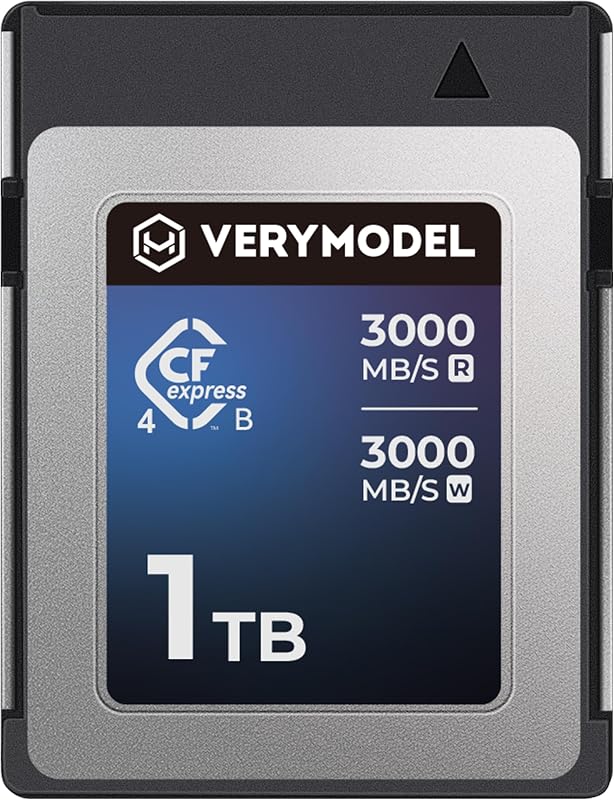
The Ideal for Videographers card is a massive 980GB CFexpress 4.0 Type B card engineered for elite flagship cameras like the Nikon Z9, Canon EOS R5, and Panasonic S1 series. Boasting incredible 3000MB/s read and write speeds, it is designed strictly for high-end creators capturing uncompressed 8K RAW video files and rapid-fire continuous action bursts. Everyday point-and-shoot owners should avoid it due to completely different physical hardware interfaces, but professional videographers shooting high-data cinema files will find it far more capable than standard SD cards.
Amazon Basics microSDXC Memory Card

The Amazon Basics microSDXC Memory Card offers 128GB of storage space in a smaller microSD format and includes a full-size SD adapter. It features an A2 app performance rating, a U3 video speed class, and read speeds reaching up to 100MB/s. This card is an excellent option for shoppers who need versatile media capable of jumping between smartphones, tablets, handheld game systems, and standard cameras, offering a higher guaranteed continuous video write tier (U3) than the SanDisk Ultra at the expense of slightly lower peak read speeds.
SanDisk 128GB Extreme PRO SD

The SanDisk 128GB Extreme PRO SD card represents the next major step up within the brand’s full-size SD lineup. Rated at U3 and V30 for video capture, it delivers read speeds up to 250MB/s alongside swift write speeds up to 120MB/s, specifically accommodating 4K UHD and Full HD video projects. Photographers shooting fast action sports or high-resolution video clips should select the Extreme PRO over the Ultra to unlock rapid buffer recovery and robust 4K recording reliability.
Final Verdict
When assessing whether the san disk ultra meets modern expectations, context is everything. For users operating compact cameras, family camcorders, or standard hobbyist gear, this 128GB SDXC card offers an outstanding blend of dependable storage, solid environmental durability, and rapid desktop offloading. The 140MB/s peak read capability noticeably cuts down waiting times at your desk, while the proven Class 10 and U1 baseline guarantees smooth, unhindered 1080p recording for life’s everyday milestones.
So, is sandisk ultra worth it for your gear bag? If your photographic habits focus on standard JPEG capture, casual family portraits, and dependable Full HD home videos, the answer is an unqualified yes. However, if your camera gear demands continuous high-speed RAW bursting or high-bitrate 4K production, you should bypass entry-level cards and invest in high-write media like the Extreme PRO. For traditional everyday photography, the SanDisk Ultra remains a dependable, stress-free storage staple.
FAQ
What speed class does the SanDisk Ultra SD Card use?
The card features a Secure Digital Association Class 10 rating alongside a UHS Speed Class 1 (U1) rating. This technical specification certifies a minimum sustained write speed of 10MB/s, which is designed to support real-time Full HD (1080p) video recording without dropping frames.
Can the SanDisk Ultra SD Card record 4K video?
The manufacturer listing explicitly positions this card for Full HD video recording rather than 4K capture. Because 4K video streams generally require sustained write speeds of at least 30MB/s (found on U3 or V30 rated cards), using this U1 card for 4K video may cause recording errors, buffer bottlenecks, or dropped footage.
How fast can the SanDisk Ultra SD Card transfer files to a computer?
The card can achieve read speeds of up to 140MB/s when offloading data. Achieving this maximum rate requires a compatible host reader capable of proprietary speeds exceeding the standard UHS-I 104MB/s ceiling, such as the separately sold SanDisk SD UHS-I card reader. In standard generic card slots, transfer speeds will default to regular UHS-I operating levels.
Is the SanDisk Ultra SD Card waterproof and durable?
Yes, the card includes multiple environmental safeguards. The manufacturer specifications confirm that the card is waterproof, drop proof, temperature proof, magnetic proof, and X-ray proof, providing strong physical protection against everyday mishaps and travel hazards.
Which devices work best with this memory card?
This memory card is built specifically for compact to mid-range point-and-shoot cameras and camcorders that accept full-size SDXC cards. It is optimized for everyday still photography and standard 1080p video clips rather than high-end cinema equipment or high-speed continuous action cameras.