As Amazon Associates, we earn from qualifying purchases. This means we may receive a small commission at no extra cost to you if you click through and make a purchase.
The Intel Core Ultra 5 245K enters the desktop computing space as a modernized mid-range processor built on Intel’s performance hybrid architecture, aiming to balance everyday computing efficiency with multi-threaded capability. While marketed toward builders seeking snappy productivity and reduced thermal strain, this processor delivers a stable, capable foundation for standard desktop workloads rather than record-shattering computing speed.
This chip is best suited for desktop users building a modern rig for productivity, general multitasking, and balanced mid-tier workloads who want a chip tuned for lower operating strain. Enthusiasts demanding extreme frame rates, users hoping for a bundled cooler in the box, or buyers wanting a completely hassle-free integrated display setup without double-checking retail SKU listings should evaluate other options before committing to an upgrade.

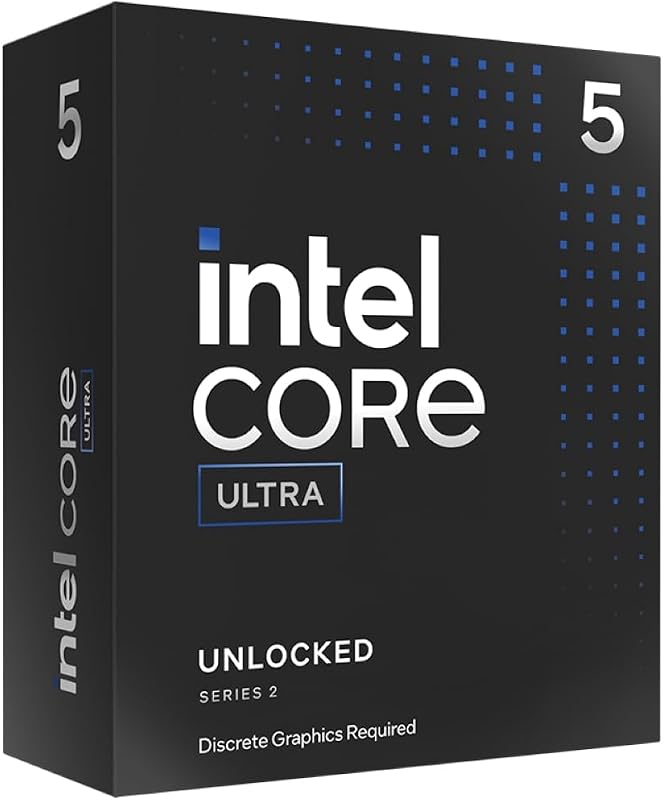
Intel Core Ultra 5 245K at a Glance
| Feature | Specification |
|---|---|
| Total Core Count | 14 cores (6 Performance cores + 8 Efficient cores) |
| Total Thread Count | 14 concurrent threads |
| Maximum Clock Speed | Up to 5.2 GHz unlocked |
| Installed Cache Memory | 26 MB (24 MB secondary cache) |
| Processor Base Power | 125 watts |
| Motherboard Compatibility | Intel 800 series chipset-based motherboards |
| PCI Express Support | PCIe 5.0 and PCIe 4.0 |
| Operating Platform | Windows 11 |
| Thermal Solution | No cooler included in the package |
Core Architecture and Performance Specifications
The processing foundation of this unit relies on an engineered hybrid layout, distributing tasks across physical hardware partitions. Under the official core ultra 5 245k specs, the processor houses 14 total cores divided into 6 Performance cores (P-cores) and 8 Efficient cores (E-cores). A defining design shift in this generation is that the thread count directly mirrors the physical core count, operating across 14 concurrent threads without hyper-threading. The Performance Hybrid Architecture optimizes workflow by steering high-priority computing to the P-cores while assigning background routines to the E-cores.
Clock speeds scale up to 5.2 GHz thanks to Turbo Boost Max Technology 3.0, providing responsive single-core behavior during day-to-day software execution. Memory support is geared toward modern system builds with DDR5 memory bandwidth and Intel Optane memory compatibility. A shared 26 MB cache pool, supplemented by 24 MB of secondary cache, ensures rapid data retrieval across active pipelines. For general system responsiveness, these hardware metrics provide substantial headroom for data handling, office multitasking, and standard digital creation software.
When assessing expected performance in this intel core ultra 5 245k review, synthetic workloads and general core ultra 5 245k benchmark tasks illustrate solid multi-threaded competence. The 14-core layout proves effective when exporting spreadsheets, compiling light code, or rendering media projects. Shoppers researching the broader ecosystem might compare these metrics against higher-tier models such as the core ultra 9 285k, but for standard everyday workflows, this mid-range configuration delivers predictable, snappy execution across Windows 11 environments.
Power Consumption and Operating Thermals
Thermal management and power moderation represent major talking points for this hardware generation. The core ultra 5 245k power consumption is specified with a 125-watt processor base power rating. Intel designs this silicon to operate with improved efficiency so desktop setups can run cooler, quieter, and quicker under sustained daily operation. By dividing compute loads strategically across low-power Efficient cores and larger Performance cores, the processor avoids pulling unnecessary wattage during baseline tasks like web browsing or video streaming.
Controlling the intel core ultra 5 245k temperature requires planning because the listing explicitly notes that no thermal solution is included in the box. Desktop builders must supply their own dedicated aftermarket air cooler or all-in-one liquid cooling system. Because the processor features an unlocked multiplier allowing boost frequencies up to 5.2 GHz, thermal spikes can occur during long, unbroken compute runs if paired with an undersized heatsink. A robust dual-tower air cooler or a mid-sized liquid loop ensures thermal thresholds remain within safe operating margins.
The emphasis on lower heat generation is an intentional shift from earlier desktop releases that frequently saturated budget coolers. In a properly ventilated chassis, the steady 125W base profile produces manageable heat levels that do not overwhelm case airflow. Everyday PC users benefit directly from quieter fan curves, as the system does not need to constantly blast cooling fans to manage routine background workloads.
Platform Compatibility and Hardware Expansion
System planning requires checking the core ultra 5 245k motherboard compatibility before ordering components. The product listing specifies direct compatibility with Intel 800 series chipset-based motherboards, meaning prospective upgraders will likely need a modern motherboard rather than recycling an older desktop board. Interestingly, the listing specifications also mention an LGA 1700 processor socket attribute, which creates an apparent contradiction with standard 800-series platform requirements; builders should verify socket and BIOS details directly with their chosen motherboard manufacturer before final assembly.
Expansion capabilities are thoroughly modern, featuring support for both PCIe 5.0 and PCIe 4.0 lanes. This bandwidth provides plenty of headroom for the latest high-speed NVMe solid-state storage drives and current-generation graphics cards without creating communication bottlenecks. The platform is optimized around Windows 11, ensuring the operating system scheduler functions in harmony with Intel’s onboard workload distribution logic.
Builders weighing their options across the product tier might also read about the neighboring intel ultra 5 250k to evaluate platform features, but this model delivers standard modern conveniences, including DDR5 memory compatibility and support for advanced system connectivity. Assembling a desktop around this platform establishes a forward-looking baseline capable of handling peripheral upgrades over several years.
Gaming Potential and Discrete Graphics Requirements
Evaluating the core ultra 5 245k gaming performance requires understanding how modern game engines leverage clock frequency and physical cores. With boost speeds reaching up to 5.2 GHz, utilizing the intel core ultra 5 245k for gaming offers steady frame pacing in modern titles, especially when paired with a competent graphics card. The 6 Performance cores easily manage primary rendering and physics threads, while the 8 background cores manage secondary processes, game client launchers, and voice communication tools without interrupting active play.
Prospective buyers must navigate an important nuance in the hardware listing regarding integrated graphics and model variants. The listing title and model designation explicitly label this item as the 245KF model number, yet the product feature bullet mentions integrated Intel graphics while the formal description notes that the chip operates without processor graphics and discrete graphics are required. When comparing the intel core ultra 5 245k vs 245kf designations, standard K-series processors feature an active integrated display engine, whereas KF variants lack onboard display capabilities. Because this specific listing identifies the unit as the 245KF model needing discrete graphics, buyers should plan to install a dedicated graphics card to ensure display output.
For PC gamers who already own a discrete graphics card, this graphics discrepancy represents minimal friction. The high single-core clocks provide consistent rendering throughput in competitive shooters and open-world titles alike. While extreme enthusiasts may explore wider family comparisons through our intel core ultra series 2 coverage, standard gamers will find this processor capable of driving high refresh rates at 1080p and 1440p resolutions when paired with appropriate GPU hardware.
Intel Core Ultra 5 245K Pros and Cons
Pros
- 14-core hybrid architecture for multitasking
- Up to 5.2 GHz unlocked clock speed
- Support for fast PCIe 5.0 and 4.0
- Balanced 125-watt base power rating
- 26 MB installed cache memory
Cons
- No cooling solution included in box
- Requires discrete graphics card per model description
- Demands 800-series platform hardware upgrade
Check Intel Core Ultra 5 245K on Amazon
Who Should Buy the Intel Core Ultra 5 245K
Buy It If
- You are building a balanced desktop centered around an Intel 800 series chipset motherboard with high-speed PCIe 5.0 expansion.
- You want a 14-core productivity workhorse that balances multi-tasking performance with a 125-watt base power rating.
- You plan to use a dedicated graphics card and want an unlocked 5.2 GHz processor for gaming and content creation.
- You prefer a system tuned to run cooler and quieter during routine daily computing tasks.
Skip It If
- You need a complete processor bundle that includes an out-of-the-box heatsink and fan assembly.
- You are seeking a plug-and-play office setup that relies entirely on guaranteed integrated graphics without adding a dedicated video card.
- You want a drop-in upgrade for an older legacy motherboard without replacing your motherboard platform.
Final Verdict
The Intel Core Ultra 5 245K establishes a solid middle ground for modern desktop computing. By pairing 6 high-speed Performance cores with 8 Efficient cores, it provides 14 reliable execution threads capable of tackling intensive office workflows, image editing, and modern PC gaming. The platform brings valuable future-proofing via PCIe 5.0 and DDR5 memory compatibility, while its 125W base power target helps keep chassis thermals and fan noise within manageable limits under everyday loads.
When deciding whether the processor is the right investment for your next custom PC build, the overall platform transition must be taken into account. Because you will need to supply your own cooling hardware, confirm motherboard compatibility, and likely install a dedicated graphics card to navigate retail listing discrepancies, this chip is not a simple budget plug-and-play component. However, for builders willing to configure the surrounding system properly, it serves as an efficient, modern, and reliable foundation.
FAQ
Does the Intel Core Ultra 5 245K come with a cooler in the box?
No, the listing specifies that no thermal solution is included. Buyers will need to purchase a compatible aftermarket CPU cooler separately to maintain safe operating temperatures.
What motherboard do I need for this processor?
The product details state that this processor is compatible with Intel 800 series chipset-based motherboards. Always confirm exact CPU support and BIOS requirements on the motherboard manufacturer’s support page prior to purchasing.
Does this processor have integrated graphics?
The listing presents conflicting details: one bullet mentions integrated Intel graphics, but the product description and model number specify the 245KF variant without processor graphics, noting that discrete graphics are required. Buyers should plan on using a dedicated graphics card for display output.
How many cores and threads does the processor have?
The processor features 14 total physical cores, consisting of 6 Performance cores and 8 Efficient cores. It supports 14 concurrent threads, as it does not utilize hyper-threading technology.
What is the base power consumption of this chip?
The processor features a 125-watt processor base power rating, designed to provide responsive performance while keeping thermals and operating power manageable.