
As Amazon Associates, we earn from qualifying purchases. This means we may receive a small commission at no extra cost to you if you click through and make a purchase.
The DJI Pocket 2 is an ultra-compact handheld camera that combines a motorized 3-axis gimbal stabilizer with a 4K camera and a 1/1.7-inch CMOS sensor. Designed to sit comfortably in the palm of your hand, it allows creators to capture stable video and 64MP high-resolution stills without hauling cumbersome video accessories. Looking closely at the DJI Pocket 2 price on Amazon reveals a specialized tool engineered to eliminate camera shake on the go, providing quick one-second startup speeds, ActiveTrack 3.0 subject following, and a four-microphone audio system that standard smartphones cannot reproduce on their own.
This compact setup directly suits solo vloggers, casual travelers, and daily content creators who need smooth walking footage without mounting a heavy phone to a separate mechanical stabilizer. However, users planning intense aquatic sports, outdoor biking in wet climates, or rough expeditions should pause, as this device offers no water resistance. Creators who want to understand how handheld gimbals have shifted since earlier iterations like the DJI Pocket 1 will appreciate the broader field of view and enhanced audio directionality engineered into this specific generation.


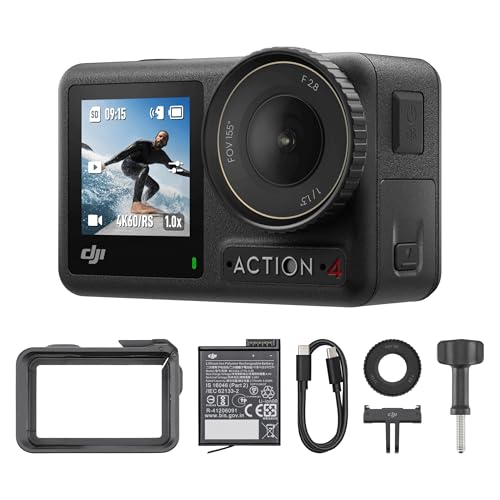

DJI Pocket 2 at a Glance

| Feature | Specification |
|---|---|
| Sensor Type | 1/1.7-inch CMOS |
| Photo Resolution | 64MP |
| Video Resolution | 4K |
| Lens | 20mm equivalent focal length, f/1.8 aperture |
| Angle of View | 93 degrees |
| Stabilization Type | Mechanical 3-axis motorized gimbal |
| Audio System | DJI Matrix Stereo with 4 microphones |
| Display Screen | 1-inch FHD resolution |
| Battery Average Life | Up to 140 minutes |
| Weight | 117 g (116 g listed handheld weight) |
| Water Resistance | Not Water Resistant |
Mechanical 3-Axis Gimbal Stabilization Performance
The standout characteristic of the DJI Pocket 2 is its motorized 3-axis gimbal stabilization. Unlike electronic image stabilization (EIS) found in standard action cameras and mobile devices, mechanical stabilization physically counters physical tilt, pan, and roll movements. By moving miniature brushless motors in real time against your hand movements, the device smooths out heavy footfalls, running strides, and sudden turns. This hardware-level steadying keeps footage fluid without cropping the frame or creating artificial digital distortion.
Motorized stabilization also directly impacts static image capture. The listing notes that the gimbal holds the camera steady for long-exposure shots and low-light scenes, keeping details sharp when handheld shutter speeds slow down. When tracking dynamic subjects, ActiveTrack 3.0 uses the motorized hardware to keep targets centered automatically. Whether you walk down a crowded sidewalk or navigate an uneven trail, the motorized gimbal maintains a steady horizon without demanding precise camera-handling technique.
Camera Sensor and 4K Video Quality
Visual performance centers around an upgraded 1/1.7-inch CMOS sensor paired with a 20mm f/1.8 wide-angle lens. The sensor handles 4K video capture and outputs crisp 64MP still photographs. The wide 93-degree angle of view strikes an intentional balance for front-facing recording, providing a wide composition that fits your face and background naturally without heavy fisheye barrel distortion. Combined with an auto-focus system and an f/1.8 maximum aperture, the camera lets in sufficient light to manage dusk shooting and indoor spaces effectively.
The integrated software includes Glamour Effects, giving social media creators customizable aesthetic adjustments directly for sharing. While flagship cinema setups like the DJI Pocket 4 Pro Creator Combo occupy higher-tier production spaces, the DJI Pocket 2 delivers a fast, vibrant cinematic look that meets the needs of YouTube and TikTok publishing. The combination of high pixel count for detailed crops and 4K recording provides ample clarity for mobile-first workflows.
Four-Microphone Matrix Stereo Audio Capabilities
Audio is often a major pain point for pocket-sized video equipment, but the DJI Pocket 2 integrates an advanced four-microphone setup branded as DJI Matrix Stereo. The four distinct microphone capsules are arranged around the handle to capture sound from multiple directions. This directional capability allows the camera to record immersive spatial audio, giving viewers a clear sense of environment and voice placement when watching your content.
In addition to standard multichannel pickup, the unit features SoundTrack and Audio Zoom. SoundTrack actively adjusts audio pickup based on the direction the camera lens is facing, helping prioritize what is in frame rather than ambient background distractions. Audio Zoom tightens the audio recording field as you zoom in visually, matching sonic focus to visual framing. While some creators supplement their gear with dedicated external options such as a DJI Osmo Pocket mic, the built-in four-mic array provides substantial out-of-the-box vocal clarity without extra plug-in receivers.
Battery Life, Ergonomics, and Portability
Measuring 1.18 inches deep, 1.5 inches wide, and 4.91 inches high with a total weight of approximately 117 grams, the DJI Pocket 2 lives up to its handheld naming. The form factor slides easily into jacket pockets, sling bags, or glove compartments. One of its most practical daily capabilities is the rapid power sequence: the camera turns on in roughly one second, ensuring that spontaneous moments or fleeting travel events are recorded before they pass.
Battery performance is rated at an average life of up to 140 minutes using the included internal battery cell. Power transfers and charging occur via a standard USB connection. While the 140-minute window covers substantial daily shooting when capturing short b-roll clips and talking segments, continuous 4K recording will deplete the cell faster. Because the device is engineered as a single sealed handheld unit, charging from an external USB battery pack between recording sessions is recommended for all-day excursions.
Software Integration and App Requirements
Operating the camera at its full capability involves the manufacturer’s dedicated companion software. The product data explicitly specifies that DJI Pocket series cameras require the DJI Mimo app for initial device activation and unlocking advanced capabilities. This application handles wireless firmware updates, provides live high-definition video feeds, unlocks intelligent shooting modes, and supplies built-in editing tools. Users must download the latest version of the DJI Mimo app from the official DJI website to complete the setup process.
For creators who want quick turnaround without manual desktop video editing, the app features an AI Editor. This tool automatically combines selected video clips with pre-set transitions and background music, producing ready-to-publish social media edits in moments. While the physical camera features an integrated 1-inch FHD touchscreen for basic framing and mode changes, connecting the unit to your smartphone running the Mimo app expands the view into a full-sized monitor, making detailed parameter adjustments much easier.
DJI Pocket 2 Pros and Cons
Pros
- Motorized 3-axis mechanical gimbal stabilization
- High-resolution 64MP photos and 4K video
- Featherlight 117-gram pocket-sized form factor
- Four-microphone Matrix Stereo with Audio Zoom
- Fast one-second power-on startup speed
Cons
- Not water resistant against rain or immersion
- Requires DJI Mimo app for initial activation
- Tiny one-inch built-in monitoring screen
Who Should Buy the DJI Pocket 2
Buy It If
- You want true mechanical 3-axis gimbal stabilization in a lightweight 117-gram stick that slips into your pocket.
- You need immediate readiness with a one-second power-on time for spontaneous travel and street vlogging.
- You prioritize clear directional audio out of the box using a multi-directional four-microphone array.
- You regularly create 4K content or 64MP photos formatted for mobile platforms and social video feeds.
Skip It If
- You need a fully waterproof action camera for swimming, snorkeling, or wet-weather sports, as this unit is not water resistant.
- You struggle to compose shots on a compact 1-inch screen and prefer not to tether a smartphone for monitoring.
- You do not want to install and activate your camera hardware through the DJI Mimo mobile application.
DJI Pocket 2 Alternatives Worth a Look
Depending on whether you prioritize mechanical stabilization, extreme environmental durability, or action-sports mounting accessories, exploring other listings helps clarify which design matches your recording style.
AKASO EK7000 4K30FPS 20MP WiFi

The AKASO EK7000 is a dedicated action camera featuring 4K recording at 30 frames per second, 20MP photo capture, electronic image stabilization (EIS), and an included housing that delivers 131 feet of waterproof underwater protection. It also comes with a remote control, 4X zoom capability, and support for an external microphone. Shooters who spend significant time in the water or need an inexpensive, durable action camera for rough environments should choose this model over the non-waterproof mechanical gimbal of the Pocket 2.
1 1.3″ Sensor

This action camera option, representing the DJI Osmo Action 4 Essential Combo, features a large 1/1.3-inch sensor, fast 4K video recording up to 120 frames per second, 10-bit and D-Log M color performance, and a long-lasting 160-minute battery runtime. Built specifically for rugged outdoor use, it offers native waterproof housing and high frame rates. Creators who need extreme low-light action performance, sports-grade waterproofing, and high-speed 120fps capture will find this action-focused vlogging camera more durable than a motorized gimbal device.
20MP EIS WiFi Remote Control
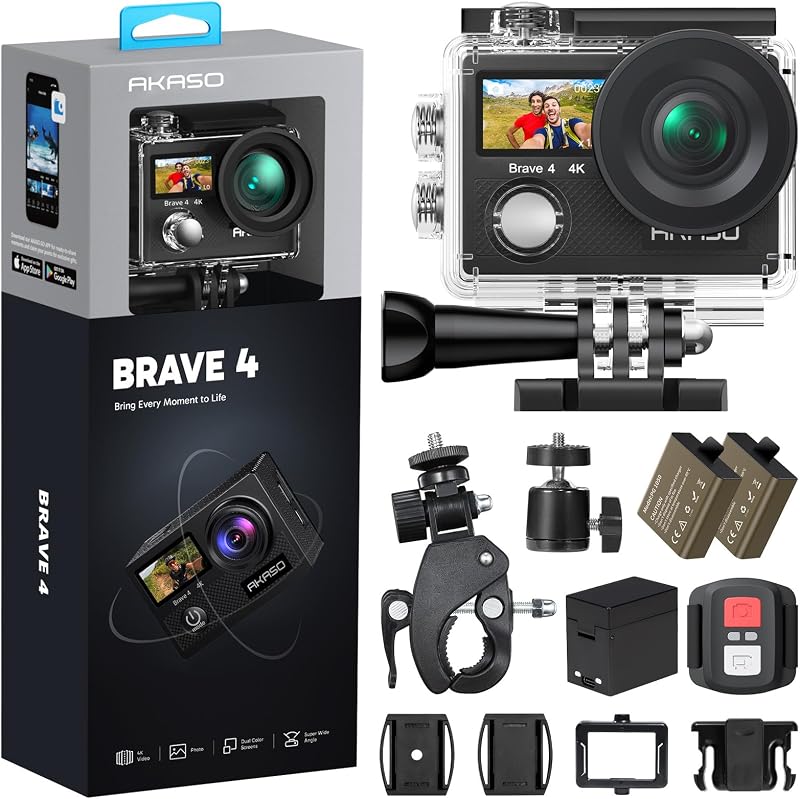
Listed under the AKASO Brave 4 line, this action camera package provides 4K30 video, 20MP photos, electronic image stabilization, a wide 170-degree adjustable field of view, and 5X digital zoom. The bundle includes an extensive bicycle helmet and motorcycle accessories kit alongside its waterproof underwater shell. If your primary goal is mounting a camera onto handlebars, helmets, or outdoor sports equipment rather than holding a stabilized vlogging handle, this accessory-rich package offers a more practical mounting configuration.
Final Verdict
The DJI Pocket 2 delivers a rare blend of mechanical stability, optical clarity, and extreme portability that traditional action cameras and smartphones struggle to match simultaneously. Its 3-axis motorized gimbal counters real-world walking movement effortlessly, producing smooth 4K video and sharp 64MP stills supported by an f/1.8 aperture lens. The four-microphone Matrix Stereo system with Audio Zoom adds genuine utility, ensuring that your audio quality keeps pace with the fluid visuals without demanding complex external microphone setups.
Evaluating this model comes down to recognizing its intentional design boundaries. The camera is not water resistant, requires the DJI Mimo application for initial activation, and utilizes a very small 1-inch built-in display that prioritizes portability over expansive preview space. If you need a rugged, mountable camera for underwater adventures, an action camera remains the right path. But for walking creators, daily vloggers, and travelers seeking smooth handheld footage in a featherlight package, the DJI Pocket 2 remains an exceptionally capable production tool.
FAQ
Is the DJI Pocket 2 waterproof?
No, the listing explicitly notes that the water resistance level is Not Water Resistant. The exposed moving parts of the motorized 3-axis gimbal make it vulnerable to moisture, sand, and heavy rain, so it should not be submerged or used in wet environments without specialized protective gear.
Does the DJI Pocket 2 require an app to function?
Yes, the manufacturer states that Pocket series cameras require the DJI Mimo app for initial device activation and full functionality. The app is also necessary for wireless firmware updates, live high-definition monitoring, advanced shooting modes, and AI editing features.
How long does the battery last on the DJI Pocket 2?
The listing outlines an average battery life of up to 140 minutes under standard operating conditions. The camera uses an integrated internal battery that charges via a standard USB connection.
What are the photo and video resolutions of the DJI Pocket 2?
The camera features an upgraded 1/1.7-inch CMOS sensor capable of capturing 4K video recording and high-resolution 64MP still photographs through its wide 20mm f/1.8 lens.
What is the difference between this gimbal and electronic stabilization?
Electronic image stabilization crops and digitally shifts the recorded image on a software level to smooth out bumps, which can degrade low-light quality. The DJI Pocket 2 uses physical 3-axis mechanical motorized stabilization, physically moving the camera hardware to eliminate shake without cropping the wide 93-degree field of view.


