
As Amazon Associates, we earn from qualifying purchases. This means we may receive a small commission at no extra cost to you if you click through and make a purchase.
The Apexel Nano Zoom 200X is an ultra-compact clip on phone microscope lens designed to bring laboratory-style specimen magnification directly to mobile devices. Built around a four-layer optical glass assembly with an integrated circular polarizing filter and self-powered illumination, this pocket-sized accessory delivers authentic 200X magnification without needing a dedicated digital microscope or benchtop hardware. For field biologists, hobbyists, quality control inspectors, and curious mobile photographers, it provides an immediate, hardware-level view into miniature structures right on a smartphone display.
This microscope attachment suits naturalists examining leaf veins and insects, collectors verifying gemstone facets or currency print markings, and mobile creators seeking abstract micro patterns. However, users wanting wide-angle garden photography or everyday food close-ups will find the extreme magnification impractical. Photographers who prefer general-purpose macro captures or standard focal lengths should instead explore a standalone everyday shooter like the Canon PowerShot ELPH 360, as extreme micro inspection demands steady hands and direct contact with the subject.


Apexel Nano Zoom 200X at a Glance

| Optical & Physical Specification | Manufacturer Detail |
|---|---|
| Magnification Ratio | 200X HD magnification |
| Focal Length | 6mm fixed focal length |
| Lens Construction | 4-layer premium glass optics with HD coating |
| Aperture | f/2.76 fixed aperture |
| Real Angle of View | 1.2 degrees |
| Focus Mechanism | Manual focus via physical distance |
| Built-In Illumination | 6 high-brightness LEDs with 2 lighting modes |
| Optical Filter | Integrated Circular Polarizing (CPL) filter |
| Battery Capacity & Runtime | 100mAh rechargeable lithium cell, up to 5.5 hours |
| Physical Weight | 17.5 grams (0.6 ounces) |
| Image Stabilization | None (relies on phone or stable surface placement) |
Optical Performance and 200X Magnification
The defining capability of the Apexel 200x microscope lens lies in its multi-element optical stack. Rather than relying on software-based digital cropping that degrades image resolution, the accessory utilizes four layers of premium optical glass with specialized high-definition coatings. This arrangement yields a true 200X optical zoom ratio through a dedicated 6mm focal length. When aligned over a high-resolution smartphone sensor, fine microscopic structures such as biological cell walls, textile weaves, miniature electronics solder joints, and paper fiber matrices resolve with crisp edge clarity.
Because the real angle of view measures a narrow 1.2 degrees, the working depth of field is razor-thin. Users must position the optic directly against or mere millimeters from the subject to achieve critical sharpness. There is no internal mechanical autofocus motor within the barrel; manual focus is established entirely by shifting the phone physically closer to or further from the target object. At this level of magnification, any micro-movement translates into noticeable framing shifts across the screen. Capturing stable frames requires steady hands, a braced wrist, or resting the outer bezel of the lens directly against a flat target.
Without integrated optical image stabilization, capturing clean images relies either on ambient stability or the host smartphone sensor-shift hardware. While dedicated travel cameras such as the Panasonic Lumix ZS100 utilize motorized stabilization systems to hold longer focal lengths steady, this microscopic lens requires physical discipline. Resting your device directly over coins, circuit traces, or specimen slides produces sharp, vibration-free stills in both JPEG and PNG image capture formats.
Illumination Control and Built-In CPL Filter
Extreme magnification introduces a severe optical challenge: light starvation. When a smartphone rests flush against a subject to achieve focus, the phone body and clip mechanism cast a heavy shadow over the viewing area. Apexel addresses this geometry by engineering six high-output LED diodes directly into the perimeter bezel surrounding the front optical element. The built-in illumination channels direct, balanced light straight into the micro-field, eliminating the dark gradients and grainy sensor noise that occur when using ambient room light.
The integrated light source features two distinct output modes, allowing users to toggle between moderate and maximum brightness depending on surface properties. Delicate biological specimens such as translucent insect wings benefit from gentle output that avoids bleaching fine cell patterns, while dense fabrics and non-reflective geological samples benefit from full-intensity output to reveal deep texture. Having the light mounted on the lens ring ensures consistent illumination regardless of the angle at which the phone is positioned over the specimen.
Equally critical is the integrated apexel nano zoom cpl filter. Inspecting reflective targets like jewelry, polished minerals, gold contact pins, or high-gloss banknotes often generates intense surface glare that blinds digital sensors. The circular polarizing layer filters out oblique reflected light waves, preserving micro-contrast and boosting natural color saturation. Users inspecting metallic traces or polished stones obtain legible surface details rather than blank, blown-out reflection hotspots.
Phone Compatibility and Mounting Mechanics
Mounting versatility is central to the universal clip architecture. The spring-loaded clamp is designed to attach across diverse phone chassis, supporting apexel nano zoom android compatibility alongside extensive support for older and newer Apple devices. Because the clip slides freely along its alignment track, users can position the 6mm glass element directly over the primary wide-angle camera sensor on single-lens, dual-lens, or triple-lens camera arrays from Google, Xiaomi, OnePlus, and Samsung.
Achieving optimal optical performance requires two setup steps. First, the user must remove bulky protective cases before clipping the attachment in place. Because the lens requires precise centering over the host camera module, thick silicone or raised armor cases introduce an air gap that degrades edge-to-edge sharpness and induces vignetting. With the case removed, the housing sits flush against the phone camera glass, securing proper focal geometry through three quick alignment steps without requiring third-party software.
Users operating an apexel nano zoom for iphone on model 13 or newer, or flagship Samsung devices such as the Galaxy S22 and S23 Ultra, must manage automatic camera switching. Modern smartphone firmware includes automated macro routines that switch between wide and ultra-wide sensors when an object approaches the lens. If left active, this behavior causes the phone screen to alternate between sensors, moving the active camera away from the aligned Apexel optic. Deactivating the automatic macro switching toggle in the phone native camera settings locks the primary sensor in place, ensuring an uninterrupted optical path.
Portability, Build Quality, and Battery Life
Weighing only 17.5 grams (0.6 ounces), the attachment adds virtually no bulk to a pocket or field kit. The compact housing encloses the multi-layer optics, polarizing element, LED ring, and electronics within a unified frame. Users can slide the lens into an everyday carry pouch alongside pocket digital cameras like the Nikon Coolpix S570 without occupying meaningful gear space. This featherweight construction also prevents the clamp from pulling unevenly on the smartphone chassis or tipping smaller phones off balance during desktop observation.
Despite its small profile, the unit integrates a self-contained 100mAh rechargeable lithium battery dedicated solely to powering the six LEDs. Independent illumination ensures that operating the microscope does not deplete the host smartphone battery during extended fieldwork. The apexel nano zoom battery life provides up to 5.5 hours of continuous illumination on a single charge cycle, giving inspectors, jewelers, and hobbyists ample operational time for prolonged examination sessions without hunting for a mobile charger.
Apexel Nano Zoom 200X Pros and Cons
Pros
- Authentic 200X high-definition optical glass magnification
- Built-in six LED ring light with two modes
- Integrated CPL filter suppresses surface glare
- Independent 100mAh battery delivers 5.5 hours runtime
- Featherweight 17.5-gram pocket-sized construction
Cons
- Requires removing thick phone cases for alignment
- Demands manual deactivation of smartphone auto-macro switching
- Lacks internal hardware image stabilization
Check Apexel Nano Zoom 200X on Amazon
Who Should Buy the Apexel Nano Zoom 200X
Buy It If
- You need authentic 200X magnification for inspecting jewelry, circuit boards, currency, minerals, or plant biology directly on your phone.
- You want integrated ring lighting and a built-in polarizing filter to manage illumination and suppress reflective surface glare without carrying auxiliary lights.
- You require an ultra-lightweight 17.5-gram inspection tool that operates for up to 5.5 hours without draining your smartphone internal battery.
- You want a plug-and-play optical solution that functions immediately through your native camera app without third-party subscriptions or software drivers.
Skip It If
- You want a general-purpose close-up lens for tabletop flat-lays, food shots, or wider nature scenes where a working distance of several inches is mandatory.
- You are unwilling to remove thick protective phone cases or manually adjust macro automation settings on modern multi-camera devices.
- You need motorized autofocus or internal hardware image stabilization to capture extreme close-ups without resting against a stable surface.
Apexel Nano Zoom 200X Alternatives Worth a Look
If your photographic requirements lean toward wider perspectives or dedicated optical hardware rather than specialized 200X microscopy, several alternative options offer different focal lengths, mounting systems, and sensor coverage.
Xenvo Pro Lens Kit

The Xenvo Pro Lens Kit provides a two-in-one setup that includes both a macro lens and a wide-angle lens, bundled with an auxiliary LED light and a dedicated travel case. Unlike the extreme 200X magnification of the Apexel model, this kit caters to mobile creators who want broader floral close-ups, environmental portraits, and expansive landscape compositions without pressing directly against specimen surfaces.
198° Fish Eye Lens

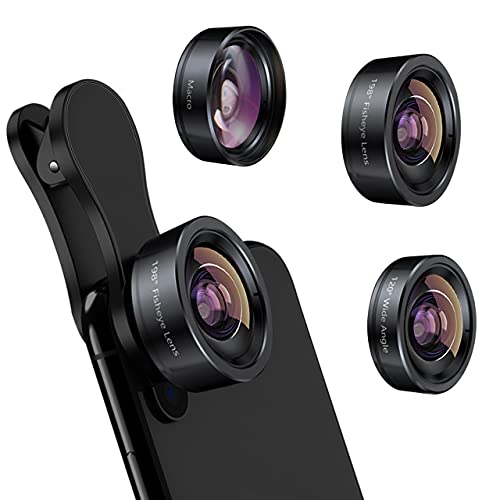
The 198° Fish Eye Lens combination kit expands your mobile focal options with a 198-degree fisheye optic, a 120-degree super wide-angle lens, and a 20X macro attachment. Buyers who want artistic distortion effects or moderate close-up power across multiple shooting styles will find this three-lens collection more versatile than a single-purpose high-power microscope.
Sony FE 100mm f 2.8

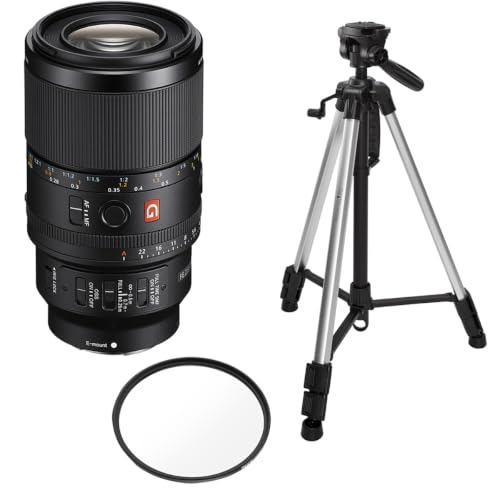
The Sony FE 100mm f 2.8 is a professional full-frame camera lens featuring Optical SteadyShot stabilization, a 67mm front filter thread, and a bundled three-section aluminum tripod. Designed for dedicated mirrorless camera bodies rather than smartphones, this optic delivers professional-grade macro rendering, manual control, and long-range optical fidelity for studio and field photographers who operate beyond mobile clip-on accessories.
Final Verdict
When evaluating whether the apexel nano zoom is worth it, buyers must align their expectations with the physics of extreme optical magnification. As an everyday camera lens for standard close-ups, its 1.2-degree angle of view and immediate subject contact are far too restrictive. However, as an ultra-portable, self-illuminating pocket microscope, the unit performs its specialized role exceptionally well. The inclusion of four-layer coated glass and an integrated CPL filter elevates it above simple plastic magnifying loupes, effectively resolving fine micro-textures on coins, foliage, and electronic components.
For field researchers, quality control technicians, educators, and mobile photography enthusiasts curious about the micro world, this accessory delivers remarkable functional value. Provided you take a moment to remove your phone case, align the barrel accurately, and disable automated software camera switching on modern devices, the Apexel Nano Zoom 200X turns your mobile screen into a responsive, high-magnification digital loupe capable of uncovering details completely invisible to the naked eye.
FAQ
How do I attach the Apexel Nano Zoom 200X to multi-lens smartphones?
To mount the accessory on a multi-camera smartphone, open your native camera app, place your finger over each camera lens until you identify which sensor produces the standard 1X preview image, and slide the clip mechanism so the optical barrel centers directly over that specific lens. Secure the clip firmly against the bare phone glass for proper alignment.
Do I need to install a special mobile app to use this lens?
No external software, custom drivers, or third-party apps are required. The lens operates as a purely optical accessory. Once aligned over your smartphone main camera, you can capture still images and video footage using your device default camera application.
Why does my screen flicker or switch cameras when I attach the lens?
Flagship phones such as the iPhone 13 and newer, or Samsung Galaxy S22 and S23 Ultra, feature automated camera switching that automatically engages their native ultra-wide macro mode when an object is brought close to the lens. To stop this jumping behavior, enter your phone camera settings and disable the automatic macro control toggle so the phone remains locked onto the primary sensor.
How long does the internal LED battery last and how is it charged?
The integrated 100mAh lithium battery delivers up to 5.5 hours of continuous LED lighting across its two brightness modes. The listing confirms it is fully rechargeable, allowing you to power the illumination independently without pulling electrical current from your phone battery.
Can I use the Apexel Nano Zoom 200X with a protective case on my phone?
The manufacturer recommends removing protective phone cases before mounting the lens. Bulky or rugged phone cases create distance between the phone sensor and the four-layer glass optics, which causes misaligned focusing, severe peripheral vignetting, and softened image details.


